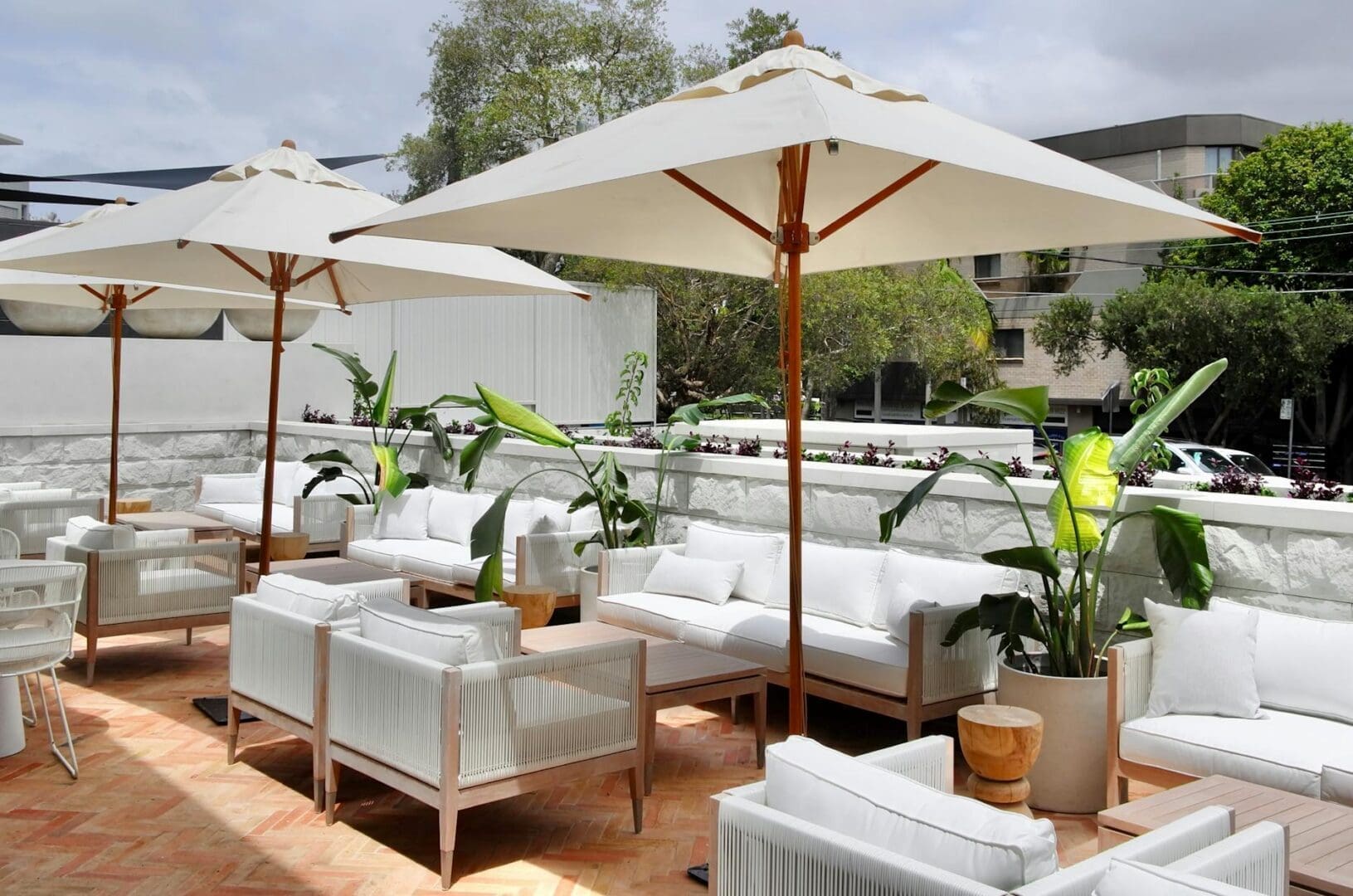
There’s nothing quite like enjoying your outdoor space on a sunny afternoon—until the heat becomes unbearable and you’re squinting through the glare. A good patio umbrella transforms your deck or patio from a sun-scorched no-go zone into a comfortable retreat where you can actually relax. But with options ranging from basic market umbrellas to elaborate cantilever designs, finding the right one means understanding what works for your specific space and lifestyle.
Size and Coverage: Getting the Shade You Actually Need
The most common mistake people make is buying an umbrella that’s too small for their seating area. Here’s a simple rule: your umbrella should extend at least two feet beyond the edge of your table or seating arrangement on all sides.
For a standard 48-inch round table, look for a 9-foot umbrella. If you have a 60-inch table or larger dining set, you’ll want 11 feet minimum. Lounge areas and sectionals often need even more coverage—13 to 15 feet isn’t excessive if you’re shading multiple chairs or a daybed.
Keep in mind that larger umbrellas require sturdier bases. A 9-foot umbrella needs at least 50 pounds of ballast, while anything over 11 feet should have 75-100 pounds. Budget-friendly resin bases start around $40, while decorative granite or concrete options run $100-$300 depending on weight and finish.
Center Post vs. Cantilever: Which Style Fits Your Setup?
Center post umbrellas—the classic market style—work beautifully with dining tables that have umbrella holes. They’re straightforward, stable, and typically more affordable, with decent options starting around $150 and quality models in the $300-$600 range.
Cantilever umbrellas (also called offset umbrellas) are game-changers for conversation areas, lounge furniture, or any setup where a center pole would be in the way. The umbrella hangs over your space from a side-mounted base, giving you unobstructed shade. You’ll also find 360-degree rotation and tilting features that let you track the sun throughout the day. Expect to invest $400-$800 for a reliable cantilever, with premium models reaching $1,200-$2,000.
Tilting mechanisms matter regardless of style. A push-button tilt adds about $50-$100 to the price but makes a huge difference in usability as the sun moves across your yard.
Fabric and Frame: Materials That Last
The canopy fabric determines both longevity and how well the umbrella actually protects you. Look for solution-dyed acrylic fabrics like Sunbrella, which resist fading for years and typically block 98% of UV rays. These cost more upfront ($250-$600 for the umbrella) but won’t need replacing every two seasons like cheaper polyester versions.
Polyester canopies work fine if you’re on a tight budget or store your umbrella during off-season, but they fade faster and offer less UV protection. Most budget umbrellas ($100-$200) use polyester.
For the frame, aluminum won’t rust and stays cool to touch, making it ideal for coastal areas or pool sides. Wood frames, particularly eucalyptus or bamboo, bring natural warmth but require occasional oiling. Fiberglass ribs flex in wind without breaking—a worthwhile upgrade if your patio gets gusty.
Features Worth Paying For
Crank lifts are standard on most umbrellas over $150 and beat wrestling with a manual push-up system. For cantilevers, a foot pedal that operates both rotation and tilt makes adjustments effortless.
Vented canopies allow wind to pass through rather than turning your umbrella into a sail. This feature alone can prevent damage during unexpected gusts. Solar-powered LED lights built into the ribs create ambiance for evening entertaining—expect to add $100-$200 for this feature.
If you live somewhere windy, consider wind ratings. Quality umbrellas specify wind tolerance, typically 20-35 mph depending on construction. Anything claiming to handle stronger winds should have reinforced ribs and a vented top.
Your outdoor space deserves shade that works as hard as you do to create a comfortable environment. Start by measuring your seating area, then match the umbrella style to how you use the space. Invest in UV-protective fabric if the umbrella will see daily use, and don’t skimp on the base weight. A well-chosen patio umbrella isn’t just functional—it becomes the anchor of your outdoor room, defining the space while keeping everyone comfortable enough to actually enjoy those long summer evenings.
You’ve fallen for the classic look of Adirondack chairs, but now you’re stuck at the fork in the road: traditional wood or modern poly? It’s not just about aesthetics—this decision affects how much time you’ll spend on maintenance, how long your chairs will last, and whether you’ll be repainting in two years or still enjoying […]
There’s something wonderfully ironic about the Adirondack chair’s origin story. Back in 1903, Thomas Lee was vacationing in Westport, New York, frustrated by the lack of comfortable outdoor seating that could handle the sloped terrain of his property. So he built a wide-backed, slatted chair with a reclined seat—and accidentally created an icon. Today, you’ll […]
Nothing pulls together a patio quite like an outdoor rug—it defines your seating area, adds comfort underfoot, and makes the whole space feel more intentional. But get the size wrong, and it can look like a bath mat floating in the middle of your deck or a carpet that swallows your furniture whole. The good […]