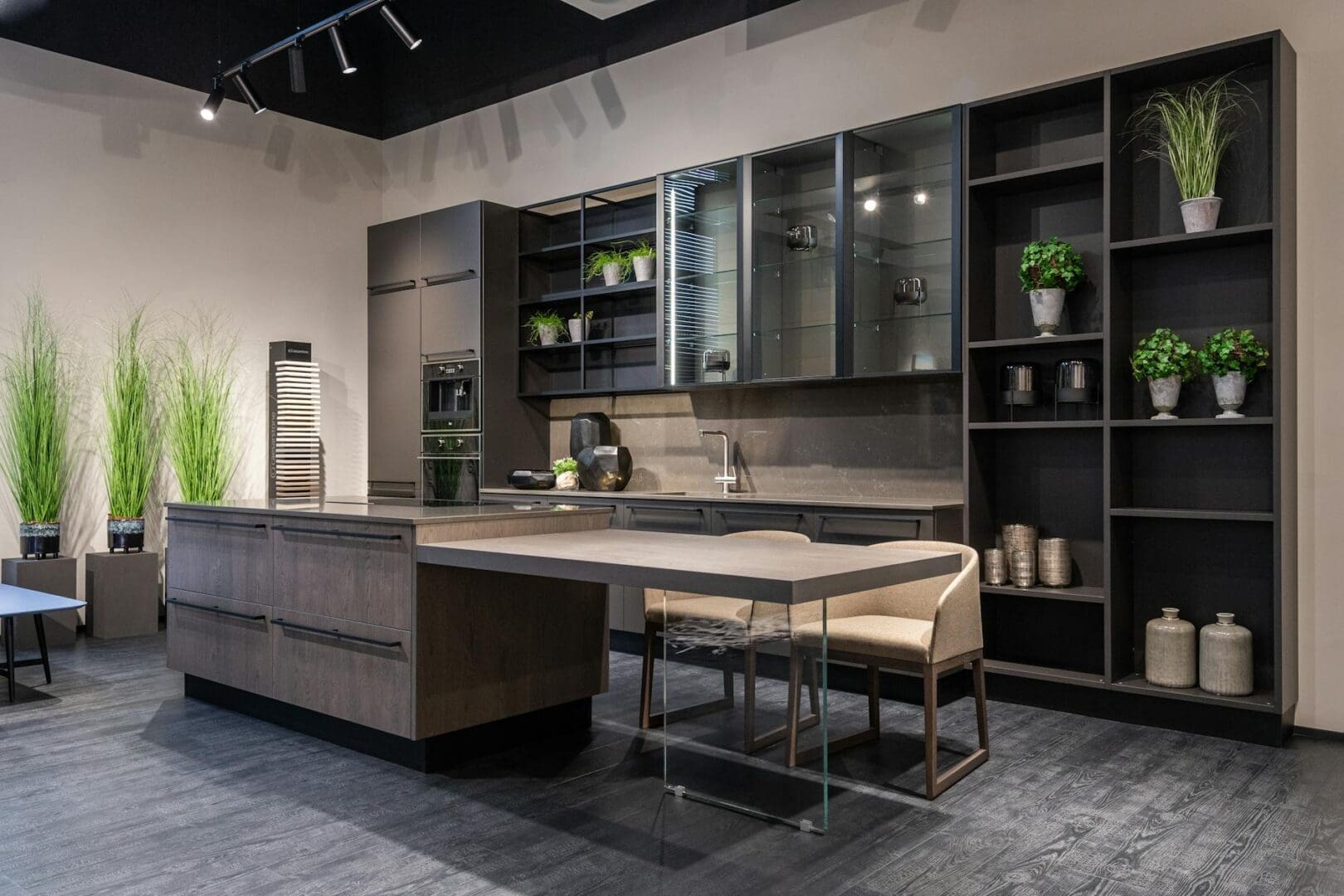
You’re staring at that wall in your kitchen, dining room, or living space, trying to picture what would work best. Open shelving looks so airy and stylish in photos, but closed cabinets promise to hide all that clutter. The truth is, there’s no universal right answer—it depends on how you actually live in your space, what you need to store, and how much maintenance you’re willing to take on.
Let’s walk through the key factors that’ll help you make the choice that actually works for your home.
Consider Your Storage Personality and Daily Habits
Before you commit to either option, take an honest look at your organizational style. Open shelving puts everything on display, which can be beautiful if you enjoy curating and maintaining that look. If you’re someone who finds visual calm in seeing your favorite dishes, glassware, or decorative objects, open shelves can turn functional storage into a design feature.
On the flip side, if you’re someone who tends to accumulate mismatched containers, prefers to stash things quickly without arranging them, or simply values the visual quiet of closed doors, cabinets are probably your answer. There’s no shame in this—closed storage is practical, forgiving, and still lets you choose beautiful cabinet doors and hardware that add style to your space.
Think about what you’ll actually be storing, too. Everyday dishes you use constantly? Open shelving keeps them accessible. Small appliances, food storage containers, and cleaning supplies? Those typically look better behind closed doors.
Evaluate Maintenance and Practical Realities
Here’s what design magazines don’t always mention: open shelving requires regular upkeep. Everything displayed collects dust, and in kitchens, a fine layer of cooking grease settles on items over time. You’ll need to wipe down both the shelves and the items on them fairly regularly—we’re talking weekly or biweekly, depending on how much you cook.
Cabinets require less frequent cleaning of contents since doors protect everything inside. You’ll still need to clean the cabinet exteriors, but it’s generally less intensive than maintaining open shelving displays.
Also consider your home’s layout. If your kitchen or storage area is visible from main living spaces, open shelving means those shelves are always “on stage.” In a closed-off kitchen or butler’s pantry, this matters less. Cabinets give you the freedom to open the door, grab what you need, and not worry about how it looks from the living room.
Budget and Cost Considerations
The price difference between open shelving and cabinets can be significant. Basic open shelving systems start around $50-150 per unit for simple brackets and boards, while custom floating shelves with hidden hardware run $200-500 per shelf installed. Wood shelves with visible brackets fall somewhere in the middle, typically $100-250 per shelf.
Stock cabinets generally start around $100-300 per linear foot, semi-custom options run $150-650 per linear foot, and custom cabinetry can reach $500-1,200+ per linear foot. That said, a full wall of open shelving often requires fewer linear feet than cabinets to achieve adequate storage, which can narrow the price gap.
If you’re renovating on a budget, mixing both can be strategic. Many homeowners install cabinets for lower storage (where you’d keep bulkier, less attractive items) and open shelving above (for display-worthy pieces). This combination typically costs less than floor-to-ceiling cabinets while giving you the benefits of both options.
Making It Work: The Hybrid Approach
You don’t have to choose just one. Some of the most functional and attractive spaces use both strategically. Install cabinets where you need to hide everyday mess—under counters, in pantries, or for storing small appliances and cookware. Add open shelving where you want to display beautiful items or need easy access to frequently-used pieces.
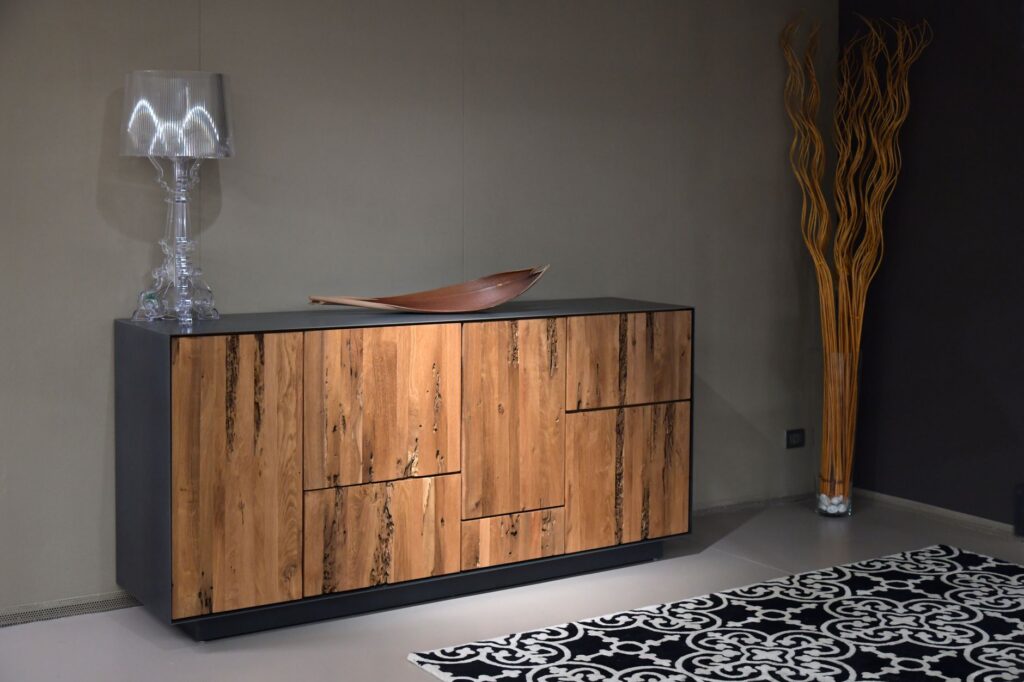
In kitchens, a popular approach is closed lower cabinets with one section of open shelving flanking a window or range hood. In dining rooms, a combination of a closed credenza with open shelving above creates both hidden storage and display space. Living rooms often benefit from closed media cabinets paired with open shelves for books and decorative objects.
The key is being intentional about what goes where. Reserve your open shelves for items that are genuinely attractive or meaningful to you—the dishes you inherited from your grandmother, a carefully edited cookbook collection, or handmade pottery. Let cabinets handle everything else.
Whichever direction you lean, choose based on how you actually live, not just how a space photographs. The right storage solution is the one you’ll use comfortably every day, not the one that looks best on someone else’s Instagram feed.
You need more storage in your living room, but a bulky bookcase feels too heavy and floating shelves aren’t cutting it. A credenza might be exactly what you’re looking for—it’s that low-profile cabinet that gives you tons of hidden storage while creating a beautiful surface for lamps, plants, and the things you actually want to […]
If you’ve been hitting snooze repeatedly or dragging yourself out of bed feeling groggy, you’re not alone. Waking up to a jarring alarm in a dark room works against your body’s natural rhythms, especially during winter months. A sunrise alarm clock mimics natural dawn, gradually filling your room with light to ease you awake. But […]
Waking up at 3 a.m. with a sweaty neck and flipping your pillow to the cool side for the fourth time isn’t just annoying—it’s robbing you of quality sleep. If you’re a hot sleeper, your pillow might be trapping heat against your head and neck all night long. The good news? The right cooling pillow […]