If you’re working from home or spending long hours at a desk, you already know that a bad office chair isn’t just uncomfortable—it’s a productivity killer. Back pain, stiff shoulders, and that constant need to shift positions all add up to distraction and fatigue. The right office chair, though, practically disappears beneath you, letting you focus on your work instead of your discomfort.
With office chairs ranging from $100 to well over $1,000, it’s worth understanding what features actually make a difference before you buy.
Ergonomic Features That Actually Matter
The word “ergonomic” gets slapped on every office chair these days, but truly supportive seating comes down to specific adjustability features. Look for chairs with lumbar support that you can adjust both up and down and in and out—your lower back curves differently than anyone else’s, and fixed lumbar support often misses the mark entirely.
Adjustable armrests are non-negotiable if you spend significant time typing. You want 4D adjustment capability: up and down, forward and back, side to side, and pivoting. Your arms should rest comfortably with shoulders relaxed and elbows at roughly 90 degrees. Fixed armrests force your body to adapt to the chair rather than the other way around.
Seat depth adjustment matters more than most people realize. When you sit all the way back against the lumbar support, you should have about two to three fingers’ width between the seat edge and the back of your knees. Too much seat depth and you’ll either perch forward (losing lumbar support) or cut off circulation to your legs.
Materials and Build Quality
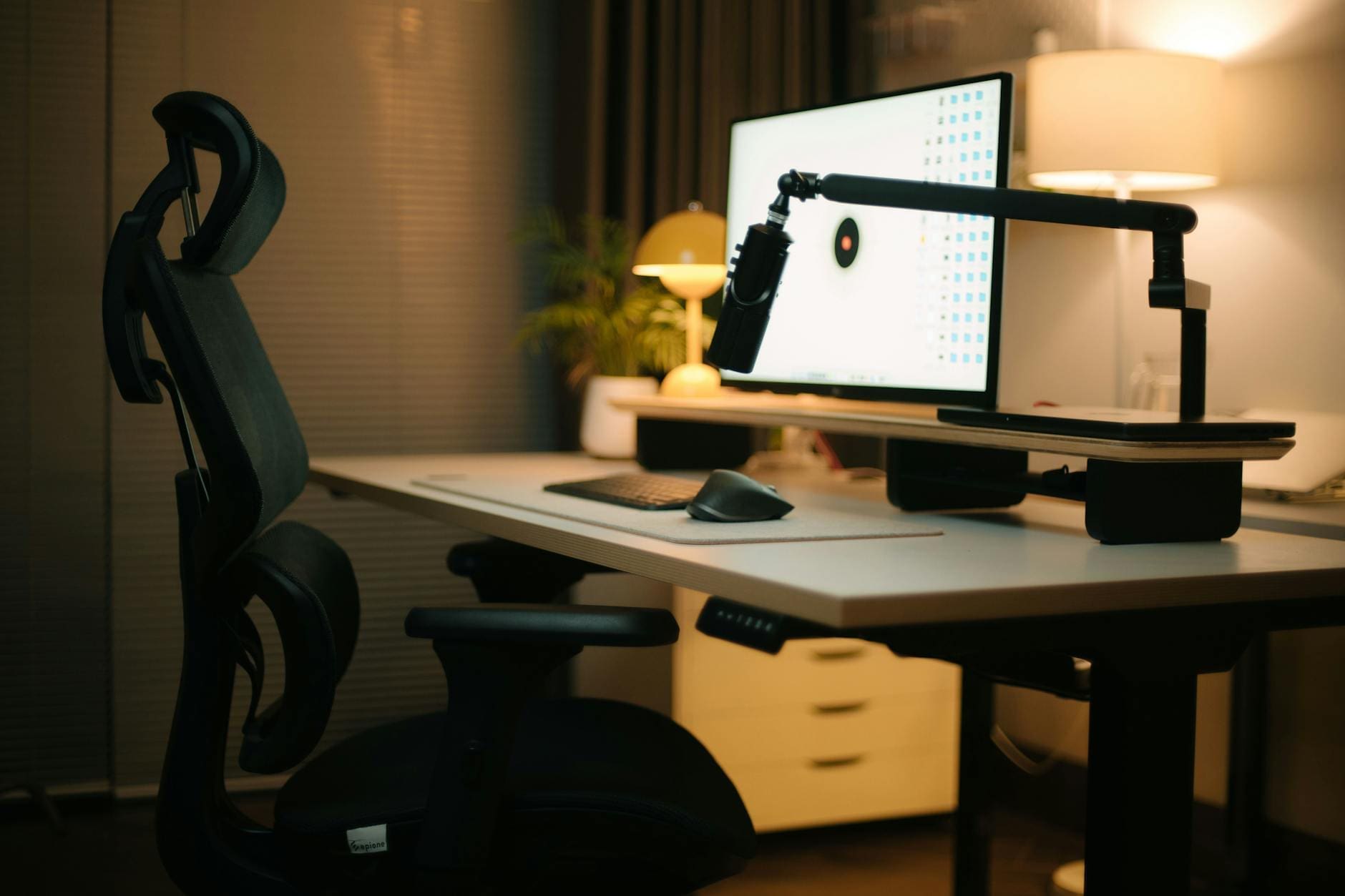
Mesh backs have become incredibly popular because they provide support while allowing airflow—crucial if you tend to run warm or live in a hot climate. High-quality mesh should feel taut and supportive, not saggy or hammock-like. Budget mesh chairs (under $200) often use cheaper materials that lose tension within a year.
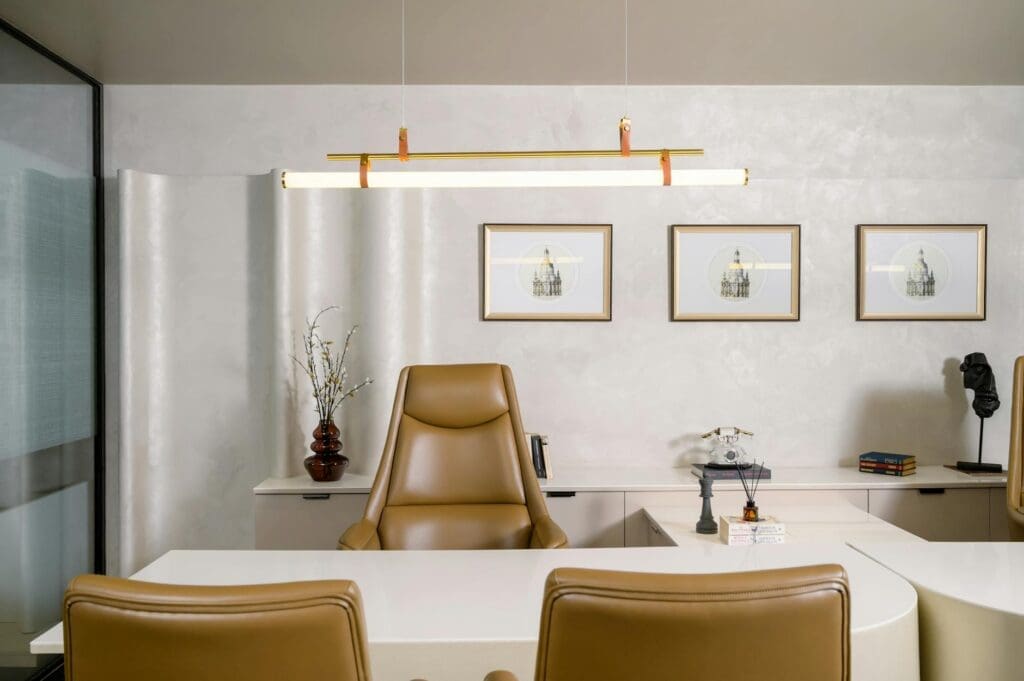
Upholstered chairs offer a more traditional look and plush comfort. Fabric upholstery breathes better than faux leather, which tends to crack and peel after a few years. If you’re considering leather, genuine leather (found on chairs typically $600+) ages beautifully, while bonded leather looks good initially but degrades quickly.
Pay attention to the base and casters. A metal five-star base handles weight and movement better than plastic. If you have hardwood floors, make sure you get rollerblade-style casters rather than hard plastic wheels that can scratch and gouge.
Finding Your Price Point
Budget-friendly options ($150-$300) like the Staples Hyken or HON Exposure offer decent adjustability and comfort for occasional use or lighter body types. They’ll get you through a few years of regular use, though some features may feel less refined.
Mid-range chairs ($400-$700) represent the sweet spot for most people. Brands like Steelcase Series 2, Herman Miller Verus, and Haworth Fern deliver genuinely ergonomic features with build quality that lasts 7-10 years. These chairs typically come with longer warranties and replacement parts availability.
Premium options ($800-$1,500+) like the Herman Miller Aeron, Steelcase Leap, or Haworth Zody offer the most refined adjustments, premium materials, and 12-year warranties. If you’re sitting 6-8 hours daily, this investment breaks down to just pennies per hour of use over the chair’s lifetime.
Getting the Right Fit
Office chairs aren’t one-size-fits-all. Weight capacity matters—many standard chairs max out around 250 pounds, while heavy-duty models accommodate 400+ pounds with reinforced components. If you’re taller than 6’2″ or shorter than 5’4″, pay special attention to seat height range and back height.
Whenever possible, test before buying. Sit for at least 10-15 minutes and adjust everything. The chair should feel supportive but not constraining. If you’re buying online, verify the return policy—some retailers charge restocking fees that can eat into your budget.
Your office chair is one of the most-used pieces of furniture in your home. Choosing one with proper ergonomic support and quality construction means less distraction from discomfort and more energy for the work that matters. Take the time to identify which adjustments and features align with your body and work style, and you’ll notice the difference every single day.
Did You Know? The Declaration of Independence Was Likely Written in a Windsor Chair As America celebrates 250 years of independence, it’s worth looking at one of the quieter witnesses to that history: the humble Windsor chair. Thomas Jefferson is said to have drafted the Declaration of Independence while seated in an unusual revolving Windsor […]
Your home office deserves better than a jumble of mismatched shelves and that filing cabinet you’ve been meaning to replace. A storage wall unit can transform your workspace from chaotic to composed, giving you dedicated spots for books, supplies, tech equipment, and all those things that currently live in piles. The trick is finding one […]
If you’re spending hours at your desk every day, your office chair matters more than you might think. The two most popular materials—mesh and leather—each have devoted fans, but they deliver very different sitting experiences. Let’s break down what actually matters so you can choose the one that fits your workday, your space, and your […]