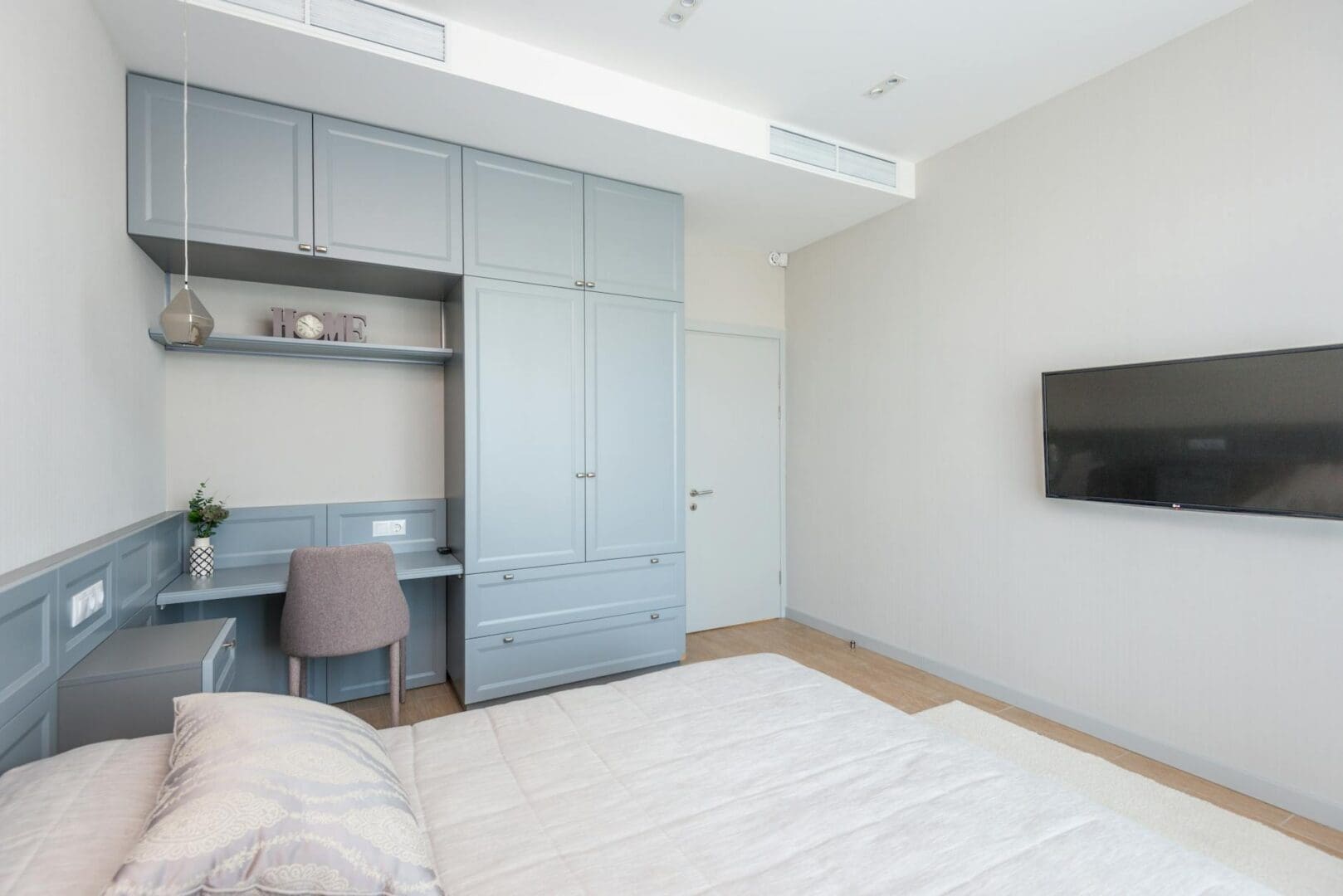
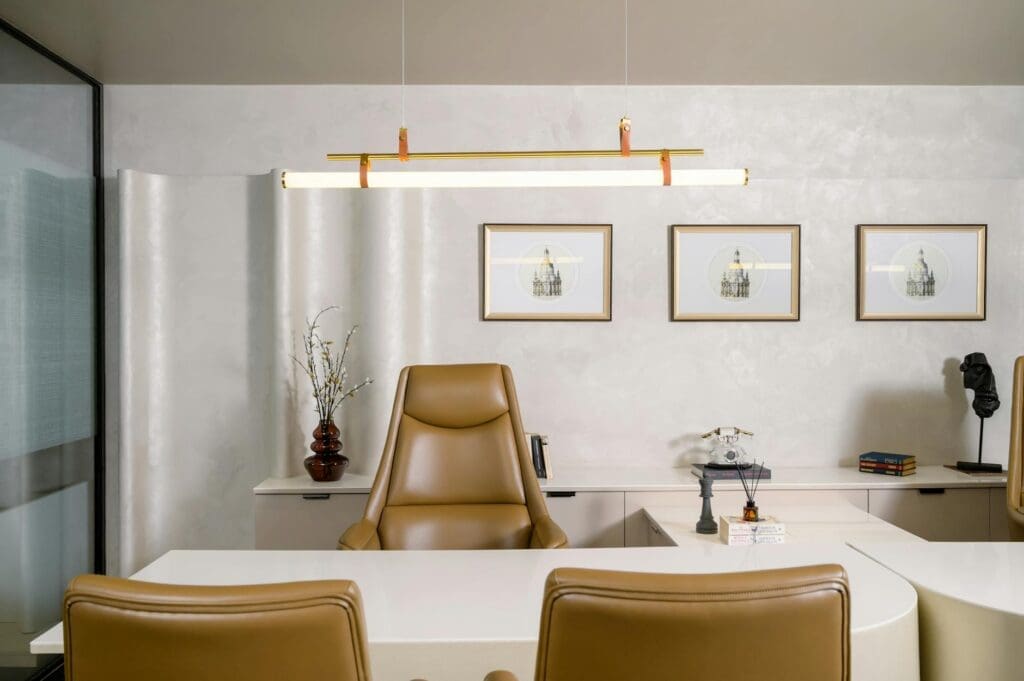
Your home office deserves better than a jumble of mismatched shelves and that filing cabinet you’ve been meaning to replace. A storage wall unit can transform your workspace from chaotic to composed, giving you dedicated spots for books, supplies, tech equipment, and all those things that currently live in piles. The trick is finding one that fits your space, holds what you actually need, and doesn’t make your office feel like a corporate cubicle.
Measuring Your Space and Choosing the Right Configuration
Before you fall in love with any particular unit, grab a tape measure. Wall units come in widths ranging from compact 60-inch models to expansive 120-inch systems that span entire walls. Measure not just width, but ceiling height too—you’ll want at least 2-3 inches of clearance for installation and visual breathing room.
Think about your room’s layout. Does your desk sit against a wall, or do you work facing into the room? If your desk backs up to a wall, consider a configuration that incorporates a desk section right into the unit. These integrated designs typically place the desk in the center with tall storage towers flanking both sides, creating a command center feel. If your desk is separate, look for symmetrical bookcase-style units or L-shaped configurations that wrap around a corner.
Also consider door clearances and traffic flow. You’ll need space to pull out drawers fully and open cabinet doors without blocking your path to the desk or office door.
Open Shelving vs. Closed Storage: Finding Your Balance
The eternal debate in home office storage comes down to display versus concealment. The honest answer? You need both.
Open shelving works beautifully for books, decorative objects, and items you reach for constantly. It keeps things visible and accessible, and let’s face it—a well-styled bookshelf just looks good. But open shelves also collect dust and can create visual clutter if you’re storing everyday office supplies or paperwork.
Closed cabinets and drawers hide the mess. They’re perfect for printer paper, cords, files, and all the unglamorous necessities of working from home. Many people find that a 60/40 or 50/50 split works well—roughly half open shelving for display and frequently used items, half closed storage for everything else.
Look for units with adjustable shelves inside cabinets so you can customize the interior to fit binders, baskets, or your specific equipment. Soft-close hinges and drawer glides are worth seeking out in mid-range units ($800-$2,000) and should be standard in higher-end pieces.
Material and Style Considerations
Storage wall units typically come in three material categories, each with distinct price points and durability:
Laminate or engineered wood: Budget-friendly options ($400-$900) that work well for lighter storage needs. Look for units with a sturdy backing and reinforced shelves if you’ll be loading them with books.
Wood veneer over MDF or plywood: The mid-range sweet spot ($900-$2,500) offering better durability and more refined finishes. These often feature solid wood trim and face frames.
Solid wood: Premium pieces ($2,500-$5,000+) built to last decades. You’re paying for heirloom quality and the ability to refinish if tastes change.
Style-wise, consider what already exists in your office. Modern wall units with clean lines and minimal hardware suit contemporary spaces, while traditional units with crown molding and detailed woodwork complement classic interiors. Modular systems offer flexibility—you can start with a basic configuration and add components as your needs or budget grows.
Special Features Worth Considering
Today’s storage wall units often include thoughtful details for home office life. Built-in charging stations, cord management grommets, and wire channels keep technology tidy. Some units incorporate LED lighting strips that illuminate shelves—helpful for video calls and evening work sessions.
If you’re short on floor space, look for wall-mounted systems that float off the ground. These create an airier feeling and make floor cleaning easier. Just ensure your walls can support the weight when fully loaded—drywall anchors won’t cut it for units holding dozens of books.
File drawer space matters more than you might think. Even in our digital age, tax documents, warranties, and important papers accumulate. At least one deep drawer with hanging file capability will save you from the desktop pile problem.
A well-chosen storage wall unit should serve your home office for years, growing and adapting as your work needs change. Focus on solid construction, a layout that matches how you actually work, and enough closed storage to maintain sanity. Your future self—the one working in a calm, organized space—will thank you.
If you’re drowning in papers, sticky notes, and file folders that haven’t been touched in months, you’re not alone. The promise of a paper-free office isn’t just about going digital—it’s about choosing furniture and storage solutions that support a cleaner, more organized way of working. The right setup makes it easier to maintain that clutter-free […]
Your back is telling you it’s time. After months of working from home in a dining chair or that hand-me-down seat from college, you’re ready to invest in a proper office chair. The good news? You don’t need to spend $800 on a Herman Miller to get real ergonomic support. The under-$300 market is packed […]
If you’re spending hours at your desk every day, your office chair matters more than you might think. The two most popular materials—mesh and leather—each have devoted fans, but they deliver very different sitting experiences. Let’s break down what actually matters so you can choose the one that fits your workday, your space, and your […]