If your office has become a chaotic mix of stacked papers, leaning book towers, and supplies stuffed wherever they fit, you’re not alone. The right bookshelf can transform your workspace from cluttered to calm, giving everything a proper home while actually looking good. But with options ranging from minimalist ladders to full wall units, figuring out what works for your space takes a bit of thought.
Size and Configuration: Match Your Space and Storage Needs
Before you fall in love with any particular style, measure your space and think honestly about what you need to store. A standard 5-shelf bookcase runs about 72 inches tall and 30-36 inches wide, which works beautifully in most home offices without overwhelming the room. If you’re tight on floor space, consider tall and narrow units (12-18 inches deep) that maximize vertical storage.
For serious storage needs, look at modular systems or L-shaped configurations that utilize corner space efficiently. These typically start around $400 for quality pieces but can accommodate hundreds of books plus binders, baskets, and decorative items. Smaller offices often benefit from 3-4 shelf units (40-50 inches tall) that provide storage without blocking natural light or making the room feel cramped.
Pay attention to shelf depth, too. Standard 10-12 inch depths work for most books and office supplies, but if you’re storing large binders, equipment, or oversized art books, you’ll want at least 14 inches of depth to avoid things jutting out awkwardly.
Material and Construction: Built to Last vs. Budget-Friendly
Office bookshelves take real abuse—they’re loaded with heavy books, constantly accessed, and expected to look professional for years. Solid wood and quality engineered wood hold up remarkably well, with hardwood options like oak or walnut easily lasting decades. Expect to spend $300-800 for solid wood bookshelves, but you’re investing in furniture that won’t sag or wobble after a year of use.
Mid-range options ($150-300) typically feature durable particle board or MDF with wood veneer. These work perfectly well for moderate loads and look substantially more polished than basic laminate. Just check the weight capacity per shelf—you want at least 30-50 pounds to safely store books without sagging over time.
Metal and industrial-style shelving ($200-500) offers exceptional strength and a modern aesthetic that works especially well in contemporary offices. Steel frames with wood or metal shelves can handle heavier items and often feature adjustable shelving, giving you flexibility as your storage needs evolve.
Style Considerations: Professional Meets Personal
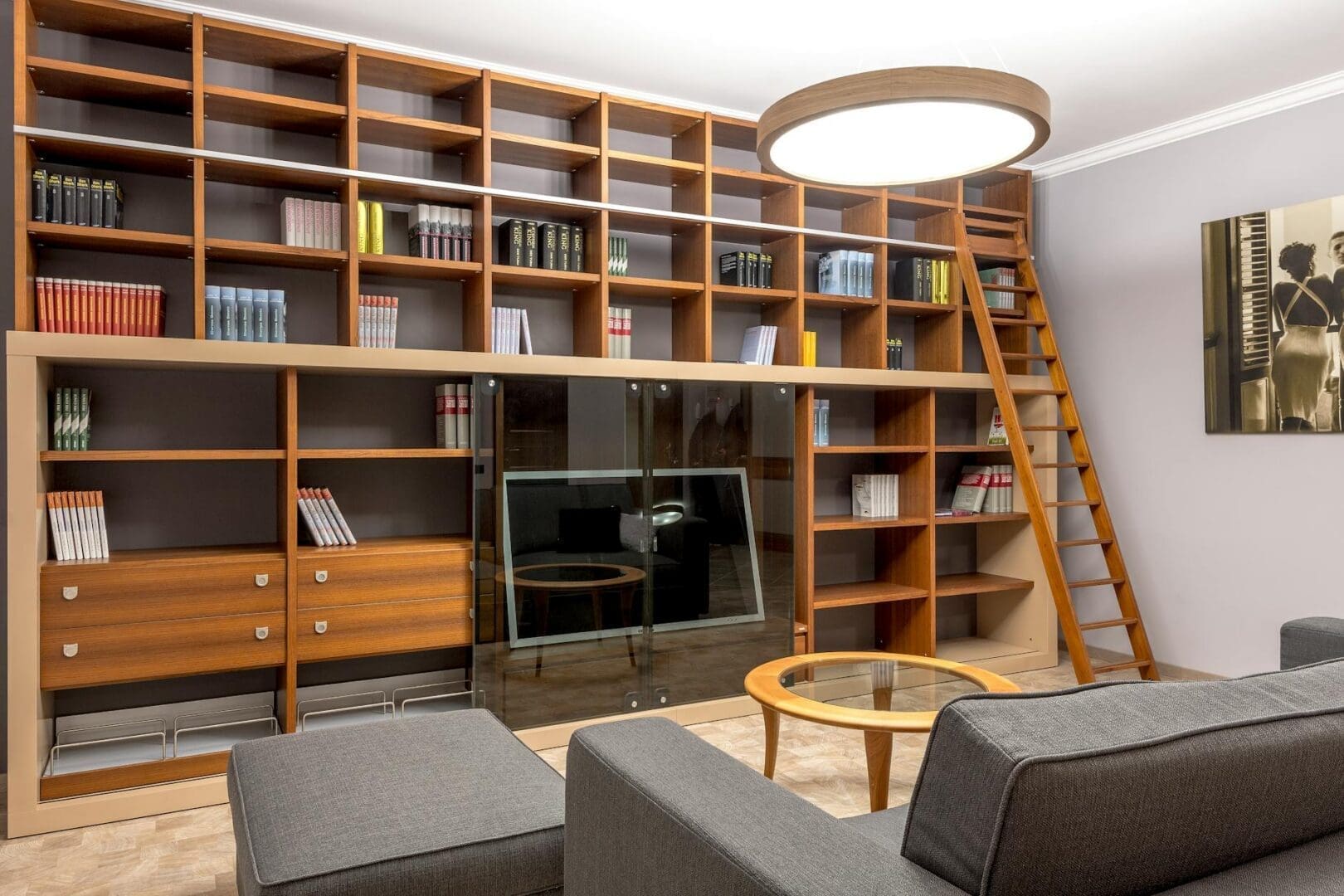
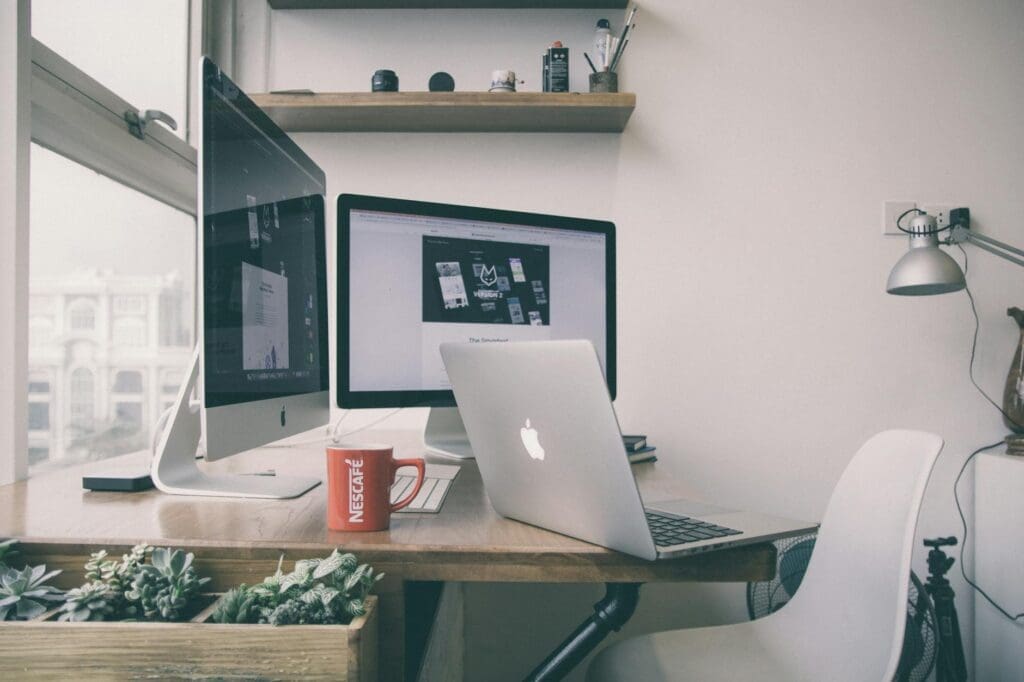
Your office bookshelf should strike a balance between functional storage and visual appeal, especially if clients or colleagues see your workspace on video calls. Traditional wooden bookcases with clean lines and classic finishes work in virtually any setting and age gracefully. Ladder-style shelves offer a lighter, more casual look perfect for creative professionals or home offices where you want less visual weight.
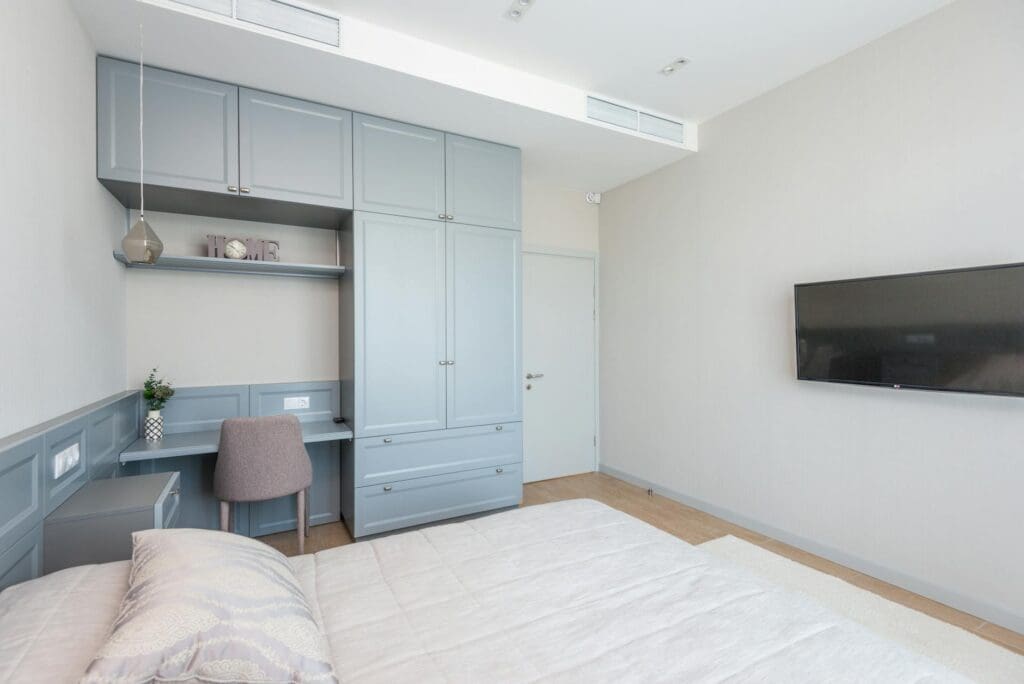
Open shelving creates an airy feel and makes everything accessible, but it does require more intentional styling to avoid looking messy. If you prefer hidden storage for less attractive items, consider units with a mix of open shelves and closed cabinets. These hybrid designs (usually $350-700) let you display your favorite books and objects while tucking away supplies, chargers, and random paperwork that doesn’t need to be on view.
Glass-door bookcases add a sophisticated touch and keep dust off your books, though they typically cost 20-30% more than open shelving. They’re worth considering if you have valuable books or collectibles you want to protect while still displaying.
Practical Features That Make Daily Use Easier
Adjustable shelves are absolutely worth prioritizing—they let you customize spacing for oversized books, stack items efficiently, and reorganize as your needs change. Most quality bookshelves offer shelves that move in 1-2 inch increments, giving you real flexibility.
If you’re storing heavy reference books or equipment, look for shelves with center support brackets or thicker shelving materials. A sagging shelf isn’t just unsightly; it’s a safety issue. Wall-mounting brackets or furniture anchors are essential for tall units, especially in earthquake-prone areas or homes with kids and pets.
Consider built-in cable management if you’re planning to store electronics, charging stations, or desk accessories on your shelves. Some modern designs include discreet cutouts or rear channels that keep cords organized and out of sight.
The right bookshelf brings order to your office while reflecting your professional style. Whether you choose a sleek modern unit or a traditional wooden bookcase, prioritize sturdy construction and sufficient capacity for your actual storage needs. Your office will feel more organized, you’ll waste less time hunting for things, and you might actually enjoy spending time in there.
Your home office deserves better than a jumble of mismatched shelves and that filing cabinet you’ve been meaning to replace. A storage wall unit can transform your workspace from chaotic to composed, giving you dedicated spots for books, supplies, tech equipment, and all those things that currently live in piles. The trick is finding one […]
If you’re drowning in papers, sticky notes, and file folders that haven’t been touched in months, you’re not alone. The promise of a paper-free office isn’t just about going digital—it’s about choosing furniture and storage solutions that support a cleaner, more organized way of working. The right setup makes it easier to maintain that clutter-free […]
Your back is telling you it’s time. After months of working from home in a dining chair or that hand-me-down seat from college, you’re ready to invest in a proper office chair. The good news? You don’t need to spend $800 on a Herman Miller to get real ergonomic support. The under-$300 market is packed […]