If you’ve invested in beautiful hardwood floors, you know that keeping them clean without causing damage is a delicate balance. The wrong mop can leave streaks, push water into the seams, or even scratch the finish you’ve worked so hard to maintain. Finding the right mop means understanding what your floors actually need—and what they definitely don’t.
Understanding What Hardwood Floors Need
Hardwood floors have one major enemy: excess moisture. Too much water can seep between boards, warp the wood, and damage finishes over time. That’s why traditional string mops and soaking wet cleaning methods are out of the question. What you’re looking for is a mop that cleans thoroughly while using minimal water—just enough to lift dirt and grime without saturating the wood.
The finish on your floors matters too. Whether you have polyurethane-sealed floors, waxed surfaces, or oil-finished wood, you’ll want a mop that’s gentle enough not to wear down the protective coating but effective enough to actually clean. Microfiber has become the gold standard here because it traps dirt rather than pushing it around, and it works beautifully with just a light dampness.
Types of Mops That Work Best
Spray mops are incredibly popular for hardwood because they give you complete control over moisture levels. You fill a reservoir with your cleaning solution, spray exactly where you need it, and wipe with a microfiber pad. This precision means you’re never over-wetting your floors. Budget options start around $25-40, while premium models with better spray mechanisms and more durable pads run $60-100.
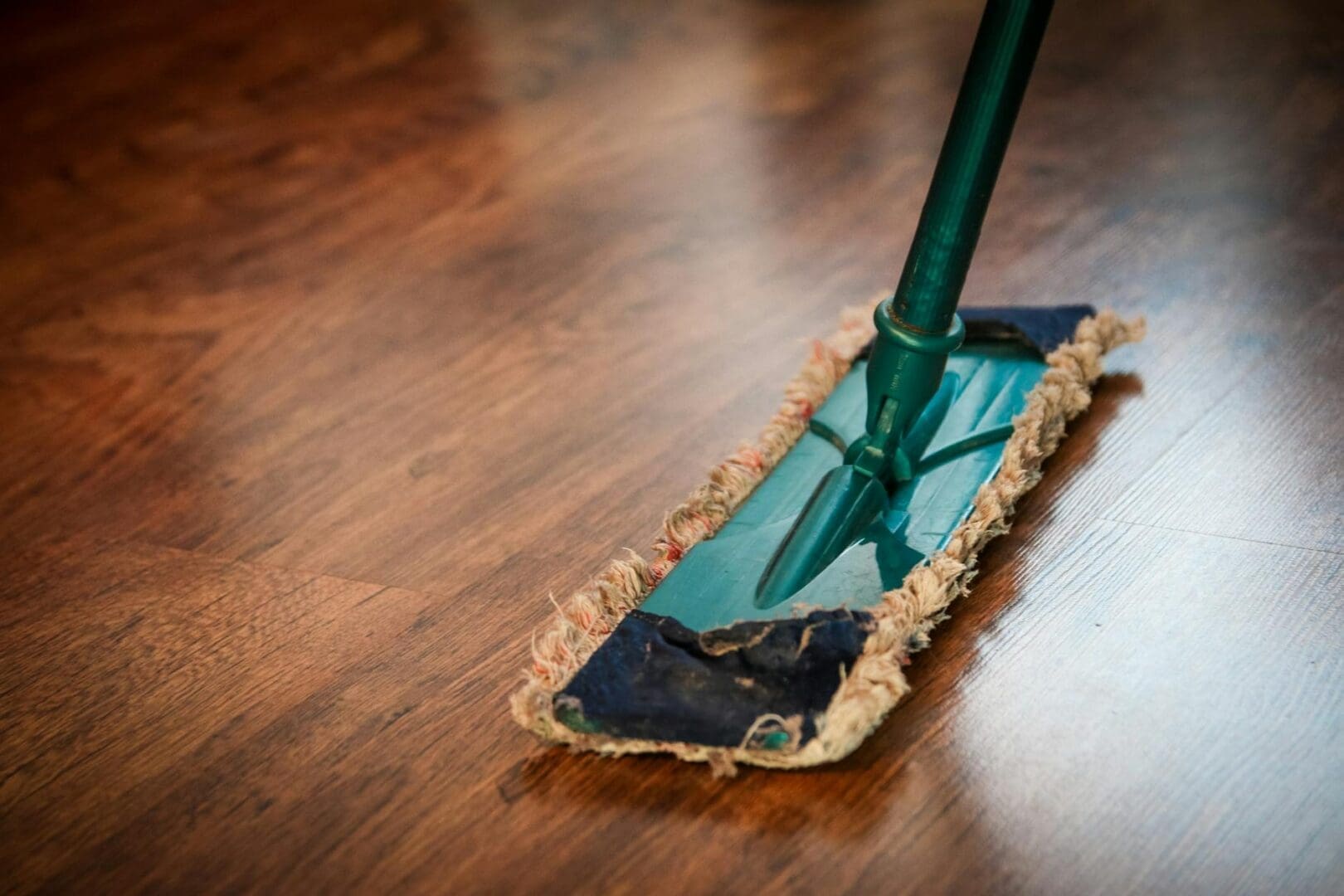
Flat mops with microfiber pads offer similar benefits without the spray function. You dampen the pad separately (which some people prefer for ultimate moisture control) and glide across your floors. These are wonderfully simple and tend to be more affordable, typically $20-50. Look for models with pads that attach securely and lie completely flat—any bunching will leave streaks.
Steam mops deserve a careful mention. While some hardwood floor owners swear by them, they’re risky business. The high heat and moisture can damage certain finishes and aren’t recommended by most hardwood flooring manufacturers. If you’re set on steam cleaning, verify that your specific floor finish can handle it, and always use the lowest steam setting.
Dust mops or dry microfiber mops are essential companions to whatever wet-cleaning method you choose. Using one of these daily or every few days means you’ll need to wet-mop far less frequently. They’re incredibly gentle and perfect for maintenance between deeper cleans. Expect to spend $15-40 for a quality dry mop.
Features That Make a Real Difference
The mop head design matters more than you might think. Look for heads that swivel 360 degrees—they’ll help you navigate around table legs and into corners without awkward maneuvering. A low-profile head that fits under furniture is also clutch unless you enjoy moving your couch every time you clean.
Washable, replaceable pads are non-negotiable for most people. Disposable pads get expensive quickly and create unnecessary waste. Quality microfiber pads should last through dozens of washes. Having at least two or three pads on hand means you can always have a clean one ready while others are in the laundry.
Handle length and adjustability affect your comfort more than you’d expect. An adjustable handle that extends to your height prevents back strain during cleaning sessions. Most quality mops offer telescoping handles that accommodate users from about 5 feet to well over 6 feet tall.
Weight is worth considering, especially if you have a large area to cover. A lightweight mop (under 3 pounds) won’t tire you out, but it should still feel sturdy enough to apply gentle pressure when needed.
Making Your Decision
Your best choice depends on your specific situation. For most homeowners with sealed hardwood floors, a spray mop or flat microfiber mop provides the perfect combination of effectiveness and safety. If you have a large open floor plan, look for models with wider heads (16-18 inches) to cover more ground. Smaller homes or those with lots of furniture might benefit from more compact, maneuverable options.
Consider starting with a mid-range option around $40-60. This price point typically gets you solid construction, good microfiber pads, and features that actually matter without paying for unnecessary bells and whistles. Once you understand what you like and don’t like about your mop, you’ll know whether upgrading or adjusting your approach makes sense.
Your hardwood floors are a major feature of your home. Choosing the right mop protects that investment while making cleaning less of a chore and more of a quick maintenance task you can feel good about.
If you’re shopping for an air purifier, you’ve probably noticed two main technologies dominating the market: ionic purifiers and HEPA filters. Both promise cleaner air, but they work in completely different ways—and when it comes to safety, one has a clear advantage. Let’s break down what you actually need to know to make the right […]
You know you want cleaner air at home, but standing in front of air purifier options can feel overwhelming. Should you invest in a whole house system that integrates with your HVAC, or stick with portable units you can move from room to room? The answer depends on your home’s layout, your budget, and how […]
Did You Know? The Declaration of Independence Was Likely Written in a Windsor Chair As America celebrates 250 years of independence, it’s worth looking at one of the quieter witnesses to that history: the humble Windsor chair. Thomas Jefferson is said to have drafted the Declaration of Independence while seated in an unusual revolving Windsor […]