A minimalist home office isn’t about having less—it’s about having exactly what you need and nothing you don’t. If your workspace feels cluttered or overwhelming, stripping it down to the essentials can actually boost your focus and productivity. The challenge is figuring out which pieces deserve a spot in your space and how to keep everything functional without the visual noise.
Choose Furniture With Clean Lines and Purpose
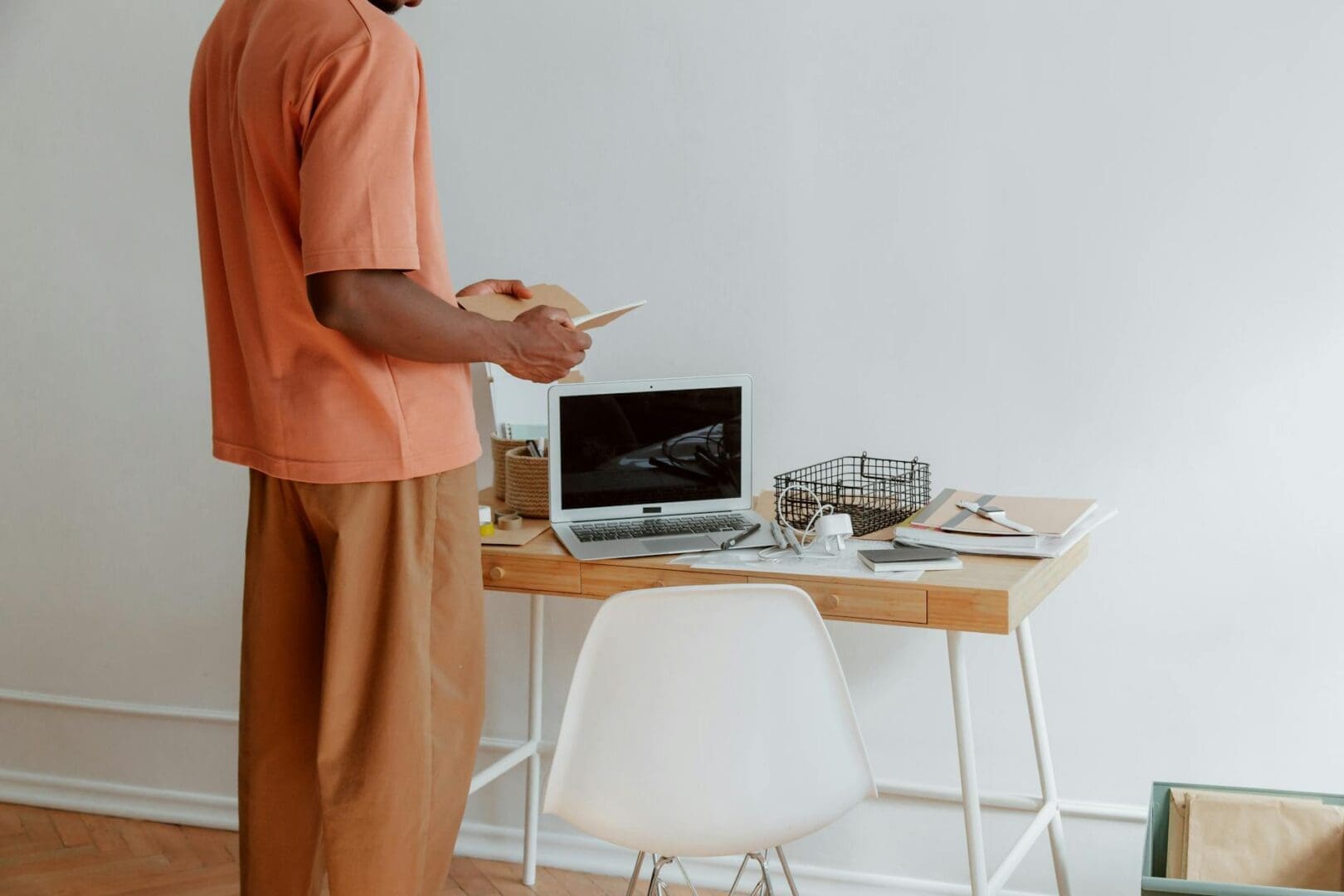
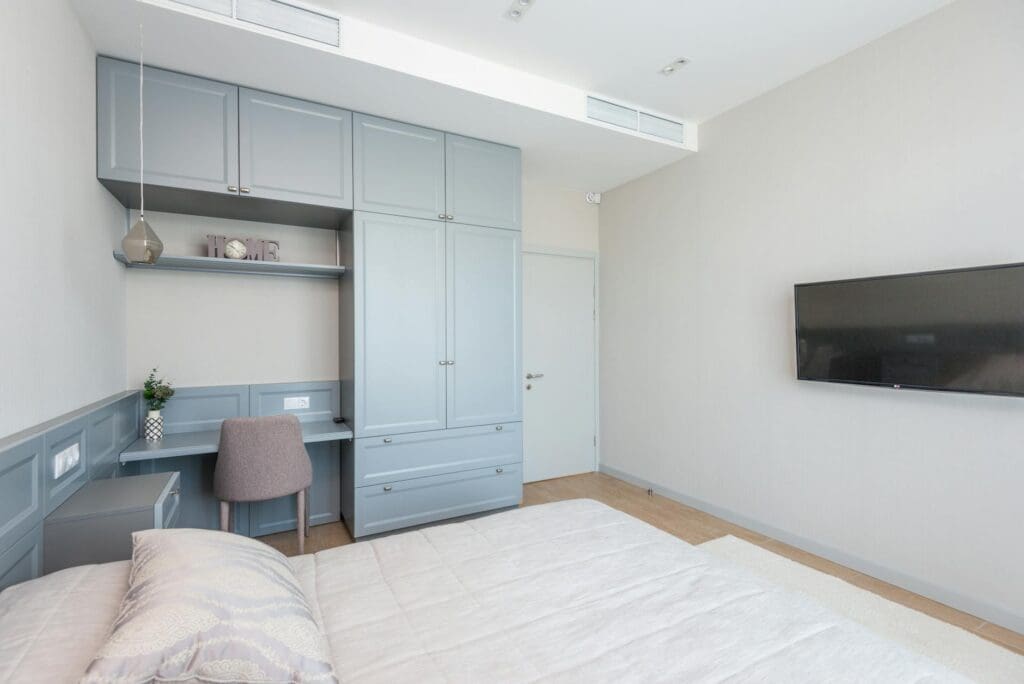
The foundation of any minimalist office starts with furniture that’s both simple and hardworking. Look for desks with straight edges, minimal ornamentation, and built-in storage that keeps clutter hidden. A floating desk or wall-mounted option can create an airy feel in smaller spaces, while a streamlined writing desk works beautifully if you don’t need much surface area.
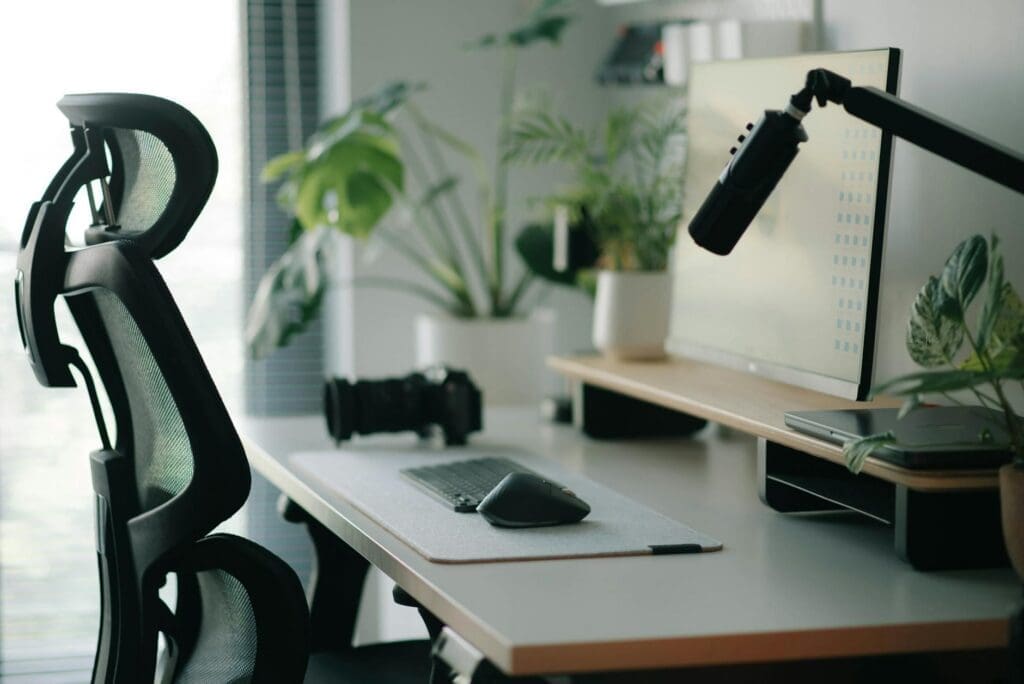
For seating, skip ornate executive chairs in favor of ergonomic options with simple silhouettes. A molded plastic chair, mesh task chair, or leather seat with clean metal legs fits the aesthetic without sacrificing comfort. Budget-friendly options start around $150, while premium ergonomic chairs that still look minimal run $400-800.
Keep additional furniture to a minimum. A simple bookshelf with open shelving or a credenza for file storage might be all you need beyond your desk and chair. Whatever you choose, stick to pieces with consistent materials and finishes—mixing too many wood tones or metal finishes can create visual clutter even in a sparse room.
Embrace a Neutral, Cohesive Color Palette
Minimalist offices thrive on restraint, and that applies to color too. White, black, gray, and natural wood tones form the backbone of most successful minimalist workspaces. This doesn’t mean your office has to feel cold—warm whites, soft grays, and honey-toned woods create plenty of personality without overwhelming the space.
If you want to add color, choose one accent shade and use it sparingly. A single piece of wall art, a desk lamp, or even your office supplies in a muted green, navy, or terracotta can add warmth without breaking the minimalist vibe. The key is keeping the ratio heavily weighted toward neutrals—about 80% neutral with 20% accent color works well.
Your walls matter too. A fresh coat of white or light gray paint immediately makes a space feel more minimal. If you’re renting or can’t paint, consider what’s on your walls. One large piece of simple art makes more impact than a gallery wall of smaller frames.
Smart Storage Keeps Surfaces Clear
Here’s the truth about minimalist offices: they only work if you have somewhere to put your stuff. The goal isn’t to own nothing—it’s to keep work surfaces clear and distractions out of sight.
Invest in closed storage wherever possible. A filing cabinet, storage boxes that slide under your desk, or a credenza with doors all help you maintain that clean-desk look. Floating shelves can work too, but they require discipline—resist the urge to fill every inch, and use matching boxes or bins to corral smaller items.
Cable management makes a bigger difference than you’d think. Use cable clips, a cable tray under your desk, or a simple cable sleeve to wrangle cords. When cables aren’t snaking across your workspace, the whole room feels more intentional. These solutions cost anywhere from $15-50 and take minutes to install.
Let Natural Light and Thoughtful Lighting Do the Work
Lighting can make or break a minimalist office. Position your desk near a window if possible—natural light is free, flattering, and keeps the space feeling open. Skip heavy curtains in favor of simple roller shades or sheer panels that let light through.
For task lighting, choose a lamp with a simple design that doesn’t compete for attention. An adjustable arm lamp in matte black or brushed metal, a simple globe pendant, or a slim LED desk lamp all provide the light you need without adding visual weight. Expect to spend $40-150 for a quality task lamp that fits the aesthetic.
Overhead lighting matters too. If you have control over fixtures, consider a flush-mount ceiling light with a minimal profile or recessed lighting that disappears entirely. The goal is to light your work without the fixtures becoming the main event.
Creating a minimalist home office is about being selective. Choose fewer pieces that serve you well, keep surfaces clear with smart storage, and maintain a cohesive look through consistent colors and simple shapes. When every item in your workspace earns its place, you’re left with a room that actually helps you get things done.
Your home office deserves better than a jumble of mismatched shelves and that filing cabinet you’ve been meaning to replace. A storage wall unit can transform your workspace from chaotic to composed, giving you dedicated spots for books, supplies, tech equipment, and all those things that currently live in piles. The trick is finding one […]
If you’re drowning in papers, sticky notes, and file folders that haven’t been touched in months, you’re not alone. The promise of a paper-free office isn’t just about going digital—it’s about choosing furniture and storage solutions that support a cleaner, more organized way of working. The right setup makes it easier to maintain that clutter-free […]
Your back is telling you it’s time. After months of working from home in a dining chair or that hand-me-down seat from college, you’re ready to invest in a proper office chair. The good news? You don’t need to spend $800 on a Herman Miller to get real ergonomic support. The under-$300 market is packed […]