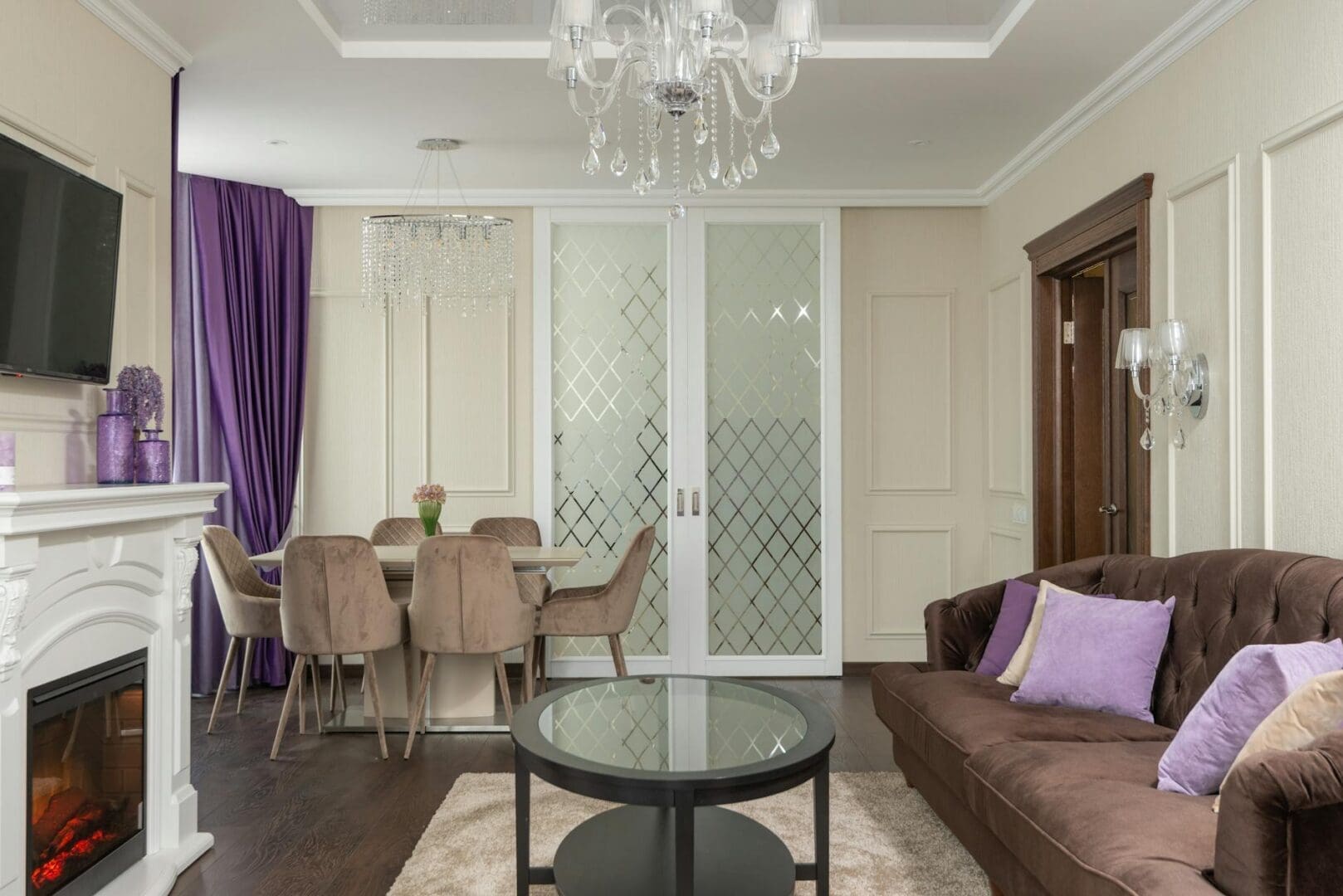
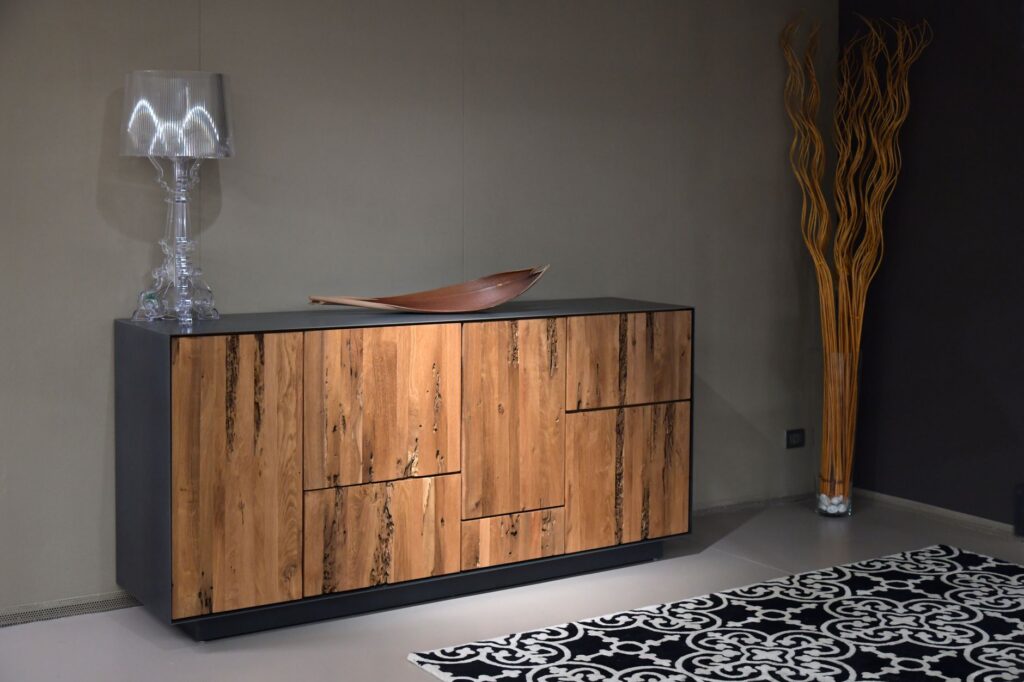
Walking into a living room that feels too bright, too dim, or somehow just “off” usually comes down to one thing: the lighting. You might have gorgeous furniture and the perfect paint color, but without proper lighting, your space won’t feel quite right. The good news? Getting your living room lighting right isn’t about installing expensive fixtures—it’s about understanding how different types of light work together.
The Three Essential Lighting Layers
Think of lighting like getting dressed. You wouldn’t wear just a shirt or just shoes—you need layers that work together. Your living room needs the same approach.
Ambient lighting is your foundation, providing overall illumination for the room. This typically comes from ceiling fixtures like flush mounts, chandeliers, or recessed lighting. For an average 12×18 living room, you’ll want around 1,500-3,000 lumens of ambient light. Budget-friendly flush mounts start around $50-150, while statement chandeliers can run $200-1,000 or more.
Task lighting helps you do specific activities—reading, working on a laptop, or playing board games. Floor lamps next to seating areas and table lamps on side tables fall into this category. Position these within arm’s reach of where you’ll actually use them. Expect to spend $40-100 for basic task lamps, or $150-400 for designer options with adjustable arms and quality construction.
Accent lighting adds depth and drama by highlighting artwork, architectural features, or creating cozy corners. Picture lights, wall sconces, and even LED strip lighting behind floating shelves serve this purpose. This is where you can really have fun with your space, though it’s also the layer many people skip entirely.
Choosing the Right Fixtures for Your Space
Your ceiling height and room size will dictate what works best. For standard 8-9 foot ceilings, flush mounts or semi-flush fixtures keep things proportional without overwhelming the space. If you’re blessed with 10+ foot ceilings, a chandelier or pendant hung 7 feet above the floor creates visual interest without anyone bumping their head.
Arc floor lamps are particularly useful in living rooms because they provide overhead-style lighting without requiring ceiling installation—perfect for renters or rooms where you want flexibility. Look for weighted bases (at least 15-20 pounds) so they don’t tip over.
Swing-arm wall sconces save precious floor and table space while providing adjustable task lighting. Mount them 60-66 inches from the floor next to your favorite reading chair. The adjustability means you’re not committed to one light direction forever.
Track lighting gets a bad reputation, but modern systems can be surprisingly versatile for accent lighting. They work especially well if you frequently rearrange furniture or want to highlight different areas seasonally.
Placement Strategies That Actually Work
Here’s what many furniture stores won’t tell you: even expensive lamps are useless if they’re in the wrong spot. Start by mapping out your activities. Where do you actually sit? What do you do there?
Place table lamps on surfaces 24-27 inches tall (standard end table height), with the bottom of the shade at eye level when you’re seated—roughly 40 inches from the floor. This prevents glare while directing light where you need it. If your lamp is too short, you’ll get unflattering overhead light; too tall, and you’ll shine light directly into your eyes.
Create triangles with your light sources rather than lining them up along one wall. If you have a floor lamp on the left side of the sofa, place a table lamp on the right, and perhaps a ceiling fixture or wall sconces on the opposite side of the room. This distributes light evenly and eliminates harsh shadows.
For ambient lighting, center ceiling fixtures on the room itself, not on your furniture arrangement. Your sofa might move, but your room dimensions won’t. The exception? Dining areas within open-concept living rooms, where you’ll center the fixture over the table.
Dimmer Switches and Bulb Temperature
Installing dimmer switches on your ambient lighting is the single best upgrade you can make, typically costing $15-50 per switch if you’re handy, or $100-200 with an electrician. Dimmers let one fixture serve multiple moods—bright for cleaning, medium for everyday, low for movie nights.
Bulb temperature matters more than you think. Warm white (2700-3000K) creates a cozy, inviting atmosphere perfect for evening relaxation. Soft white (3000-3500K) works well for task lighting where you need to see clearly without the sterile feel. Avoid anything above 4000K in living spaces unless you’re going for a modern gallery vibe.
Mix fixtures and bulb types, but keep the color temperature consistent throughout the room. Nothing looks more disjointed than cool blue light from one lamp competing with warm amber from another.
Getting your living room lighting right transforms how your space looks and functions. Start with solid ambient lighting, add task lighting where you actually need it, then layer in accent pieces to create depth. The right combination of fixtures, thoughtful placement, and dimming capability means your living room works just as well for Sunday morning coffee as it does for Friday night entertaining.
You need more storage in your living room, but a bulky bookcase feels too heavy and floating shelves aren’t cutting it. A credenza might be exactly what you’re looking for—it’s that low-profile cabinet that gives you tons of hidden storage while creating a beautiful surface for lamps, plants, and the things you actually want to […]
If you’ve been hitting snooze repeatedly or dragging yourself out of bed feeling groggy, you’re not alone. Waking up to a jarring alarm in a dark room works against your body’s natural rhythms, especially during winter months. A sunrise alarm clock mimics natural dawn, gradually filling your room with light to ease you awake. But […]
Waking up at 3 a.m. with a sweaty neck and flipping your pillow to the cool side for the fourth time isn’t just annoying—it’s robbing you of quality sleep. If you’re a hot sleeper, your pillow might be trapping heat against your head and neck all night long. The good news? The right cooling pillow […]