Staring at paint swatches and wondering if your sofa will clash with your new curtains? You’re not alone. Choosing a living room color scheme can feel overwhelming when you’re standing in your space imagining a dozen different possibilities. The good news is that certain color combinations have stood the test of time for a reason—they simply work, regardless of your home’s style or your personal taste.
Start With a Neutral Foundation
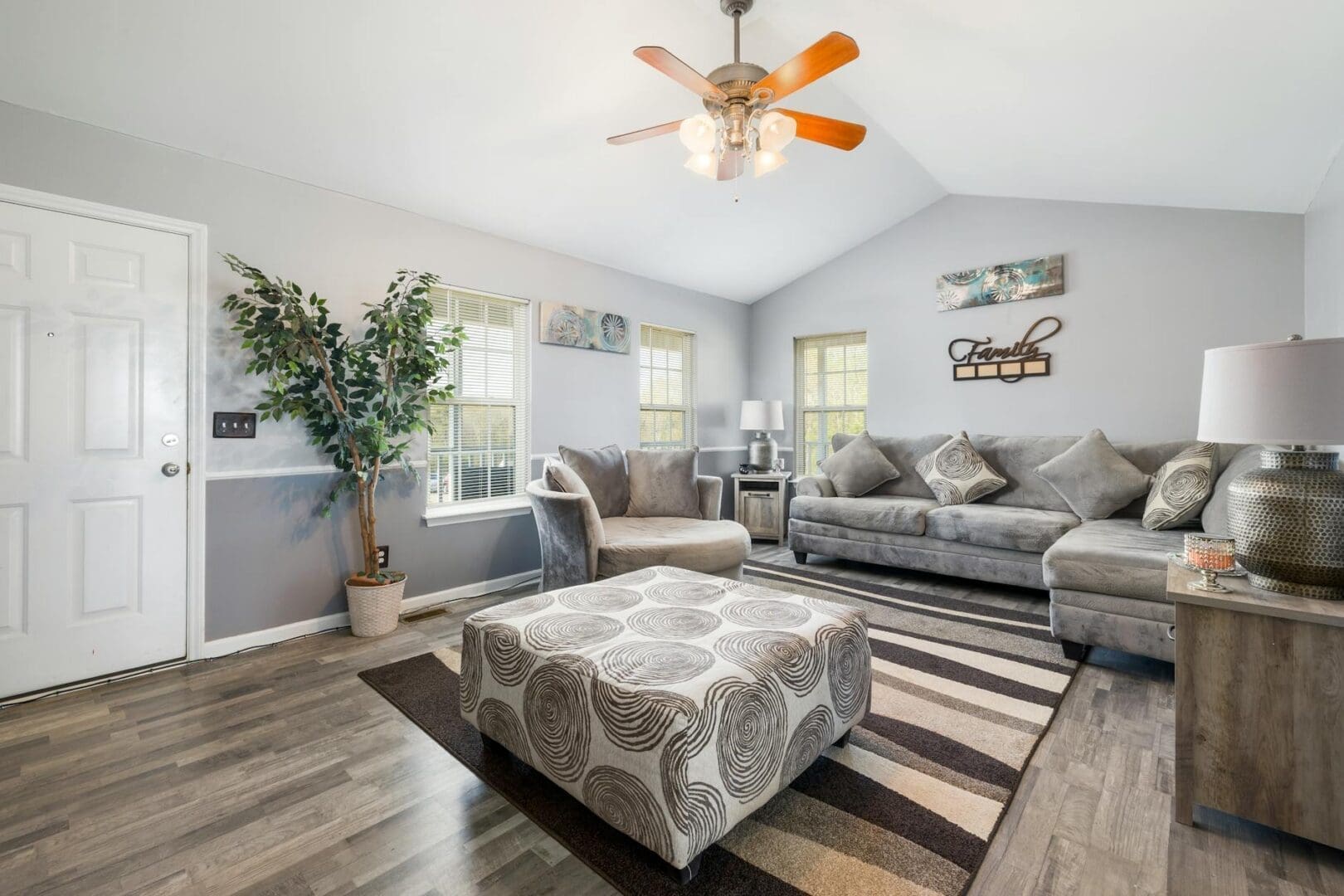
The most versatile living room color schemes begin with a neutral base. Think of neutrals as your canvas—walls in soft white, warm beige, greige (that perfect gray-beige hybrid), or even a gentle dove gray give you flexibility to change accent pieces without repainting.
When shopping for major furniture pieces like sofas and sectionals, neutrals make practical sense too. A quality sofa is an investment, typically ranging from $800 for budget-friendly options to $3,000+ for premium pieces, so choosing a neutral upholstery color ensures it’ll work with your evolving style. Look for sofas in linen, oatmeal, charcoal, or taupe—these shades pair beautifully with virtually any accent color you’ll add later.
Your area rug is another foundational piece where neutrals shine. A natural jute rug, cream wool option, or subtle gray pattern creates grounding without competing with your other design elements. Budget around $200-$500 for a quality 8×10 rug that’ll anchor your seating area.
The Foolproof Three-Color Formula
Interior designers rely on a simple rule: choose three main colors in a 60-30-10 ratio. Your dominant color (60%) covers walls and large furniture, your secondary color (30%) appears in upholstered chairs, curtains, or a statement rug, and your accent color (10%) pops up in pillows, throws, artwork, and decorative objects.
Here are combinations that consistently deliver beautiful results:
Warm and Welcoming: Cream walls (60%), camel or terracotta furniture (30%), and navy or forest green accents (10%)
Cool and Sophisticated: Soft gray walls (60%), blue-gray upholstery (30%), and brass or gold accents (10%)
Fresh and Timeless: White walls (60%), natural wood and beige tones (30%), and black accents (10%)
Rich and Cozy: Greige walls (60%), olive or sage green furniture (30%), and rust or burnt orange accents (10%)
When shopping for accent chairs—which typically run $300-$1,200 depending on quality—you have more freedom to embrace that secondary color. A dusty blue velvet chair or a sage green armchair can define your entire scheme while remaining sophisticated enough to enjoy for years.
Adding Pattern and Texture Within Your Palette
Once you’ve established your color scheme, patterns and textures keep things interesting without creating visual chaos. The key is staying within your chosen palette while varying the scale and type of patterns.
Mix a large-scale pattern (like a bold geometric or floral rug) with medium patterns (perhaps striped or ikat throw pillows) and small patterns (a subtle textured throw blanket). Coffee table books, ceramic vases, and decorative trays in your accent colors tie everything together. These smaller items, usually $25-$150 each, let you experiment with trends without major commitment.
Texture adds depth even when colors are similar. A chunky knit throw, smooth leather ottoman, nubby linen curtains, and glossy ceramic lamps all in complementary neutrals create visual interest through varied surfaces. When shopping for window treatments, look for fabrics that either match your secondary color or stay neutral—budget $100-$400 for quality ready-made curtains, or $400-$1,200 for custom panels that perfectly fit your space.
Balancing Warm and Cool Tones
Even within a single color family, temperature matters. A room done entirely in cool grays can feel sterile, while all-warm beiges might seem dated. The most successful living rooms balance both.
If your walls lean cool (gray, blue-gray, crisp white), warm up the space with wood furniture, camel leather, or rust-colored textiles. Conversely, if you’ve chosen warm walls (cream, beige, greige), introduce cooler elements through metal finishes like brushed nickel or chrome, glass tables, or steel blue accents. This balance keeps your space feeling collected and intentional rather than showroom-perfect.
Your living room should feel like home, not a magazine spread you’re afraid to use. These tried-and-true color schemes give you a framework to build from, whether you’re starting completely fresh or working with existing pieces you love. Choose your neutral foundation, select your three main colors, and layer in texture and pattern—you’ll end up with a space that looks professionally designed and actually feels like you.
If you’ve been hitting snooze repeatedly or dragging yourself out of bed feeling groggy, you’re not alone. Waking up to a jarring alarm in a dark room works against your body’s natural rhythms, especially during winter months. A sunrise alarm clock mimics natural dawn, gradually filling your room with light to ease you awake. But […]
Waking up at 3 a.m. with a sweaty neck and flipping your pillow to the cool side for the fourth time isn’t just annoying—it’s robbing you of quality sleep. If you’re a hot sleeper, your pillow might be trapping heat against your head and neck all night long. The good news? The right cooling pillow […]
If you’re working from home or spending hours at your desk, you’ve probably noticed that not all chairs are created equal. That bargain office chair seemed fine at first, but now your back aches by mid-afternoon. You’ve been eyeing ergonomic chairs, but with price tags that can run three to ten times higher than regular […]