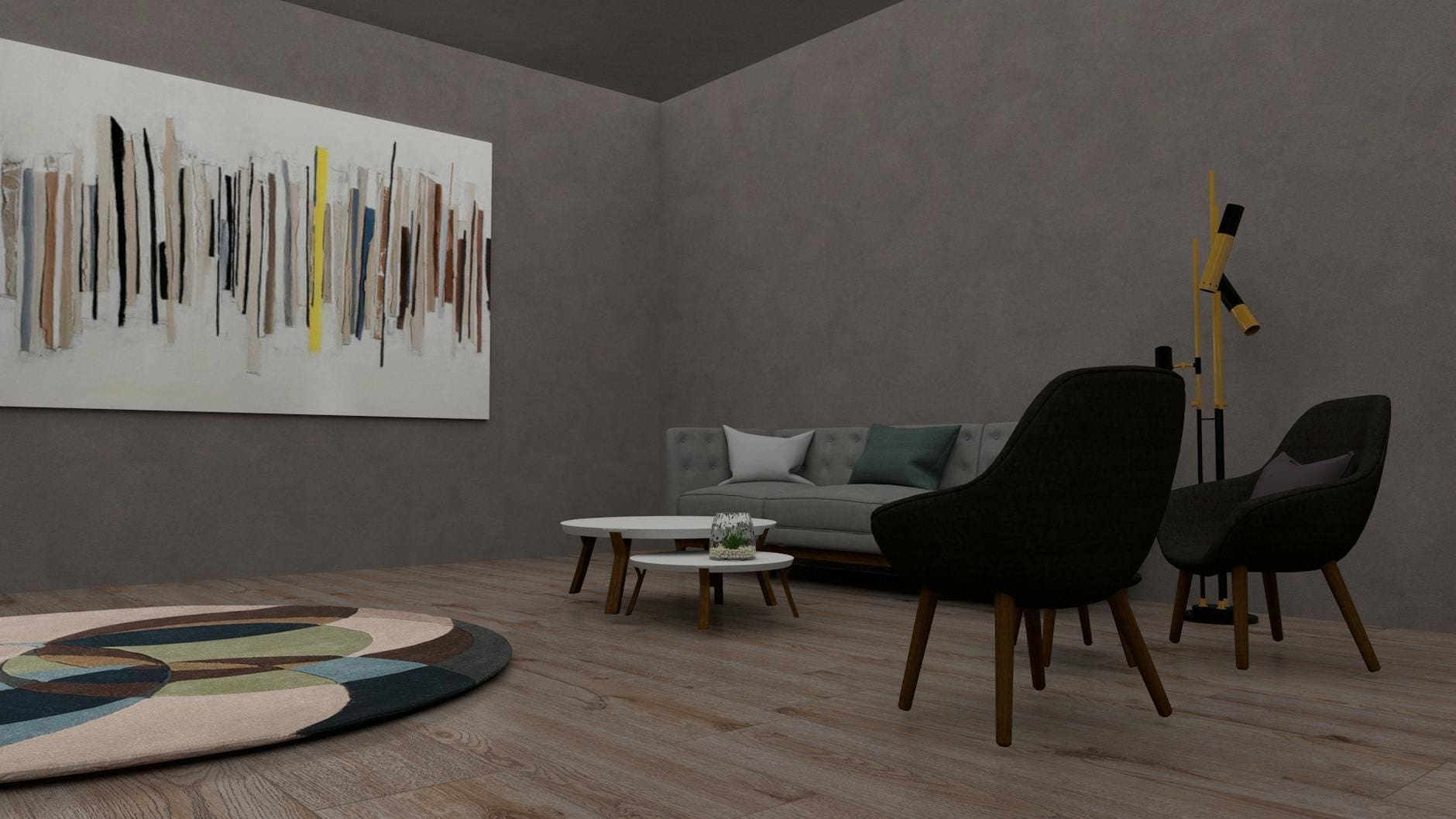
An area rug can anchor your living room furniture, define your seating area, and add warmth underfoot—but only if you get the size and style right. Too small, and your space looks choppy and disconnected. Wrong style, and it fights with everything else in the room. Let’s walk through how to choose a rug that actually works for your living room.
Getting the Size Right: The Foundation of Good Rug Shopping
Size matters more than almost anything else when it comes to living room rugs. The most common mistake? Going too small. Your rug should be large enough that at least the front legs of your furniture sit on it—ideally, all furniture legs should fit on the rug entirely.
Here’s how to think about sizing:
Small living rooms (10×12 or smaller): Look for a 5×8 or 6×9 rug. This allows the front legs of your sofa and chairs to rest on the rug while leaving some floor exposed around the edges.
Medium living rooms (12×18): An 8×10 rug is your sweet spot. This is the most popular size and works well when you want all furniture legs on the rug or just the front legs of larger pieces.
Large living rooms (15×20 or bigger): Go for 9×12 or even 10×14. Large rooms need substantial rugs to avoid looking like you’re working with doll furniture.
Measure your seating area before you shop, and add 18-24 inches on each side as a general rule. If you’re between sizes, go larger—it’s worth the extra investment.
Material Matters: Choosing Based on Your Lifestyle
The material you choose determines how your rug performs in real life, not just how it looks on day one.
Wool rugs are the workhorses of living room rugs. They’re naturally stain-resistant, durable, and feel luxurious underfoot. Expect to pay $300-$800 for a quality 8×10 wool rug, with high-end options reaching $2,000+. If you have kids or pets, wool is one of your best bets.
Synthetic rugs (polypropylene, polyester, nylon) are budget-friendly and easy to clean, making them perfect for high-traffic living rooms. You’ll find decent 8×10 options starting around $150-$400. They won’t last as long as wool, but they’re practical if you’re renting or planning to redecorate in a few years.
Natural fiber rugs like jute, sisal, and seagrass bring texture and a casual, organic feel. They’re moderately priced ($200-$600 for 8×10) but can be scratchy underfoot and harder to clean. Save these for living rooms where you’re wearing shoes more than going barefoot.
Cotton rugs are soft and usually machine-washable, but they work better as layering pieces or in low-traffic areas. For a main living room rug, you want something more substantial.
Style and Pattern: Making It Work With Your Space
Your rug should complement your existing furniture, not compete with it. If you have a bold, patterned sofa, a solid or subtly textured rug gives your eye a place to rest. If your furniture is neutral, a patterned rug adds personality without requiring you to replace your couch.
Traditional and Oriental rugs bring warmth and work beautifully in classic, transitional, or even eclectic spaces. Look for muted colors if you want versatility—rugs with cream, gray, or navy backgrounds are easier to work with than those with bright red or gold bases.
Modern geometric patterns suit contemporary spaces and can help define zones in open-concept layouts. These work especially well in rooms with clean-lined furniture and minimal accessories.
Solid and textured rugs are your safest bet if you’re unsure. A solid rug in a textured weave adds interest without pattern commitment. Shag, braided, and loop rugs all create visual depth while staying neutral.
Color-wise, consider how much contrast you want. Light rugs brighten spaces but show dirt faster. Dark rugs hide wear but can make small rooms feel smaller. Medium tones—think warm grays, soft blues, or earthy taupes—offer the best balance for most living rooms.
Your Next Steps
Start by measuring your living room seating area and determining which size category you fall into. Then think about your lifestyle—do you need something indestructible, or can you prioritize beauty over bulletproof durability? Finally, consider your existing furniture and decide whether you want your rug to blend in or stand out.
A good area rug is an investment that pulls your whole living room together. Take the time to get the size right, choose a material that fits your life, and pick a style that makes you happy every time you walk into the room. Your feet (and your space) will thank you.
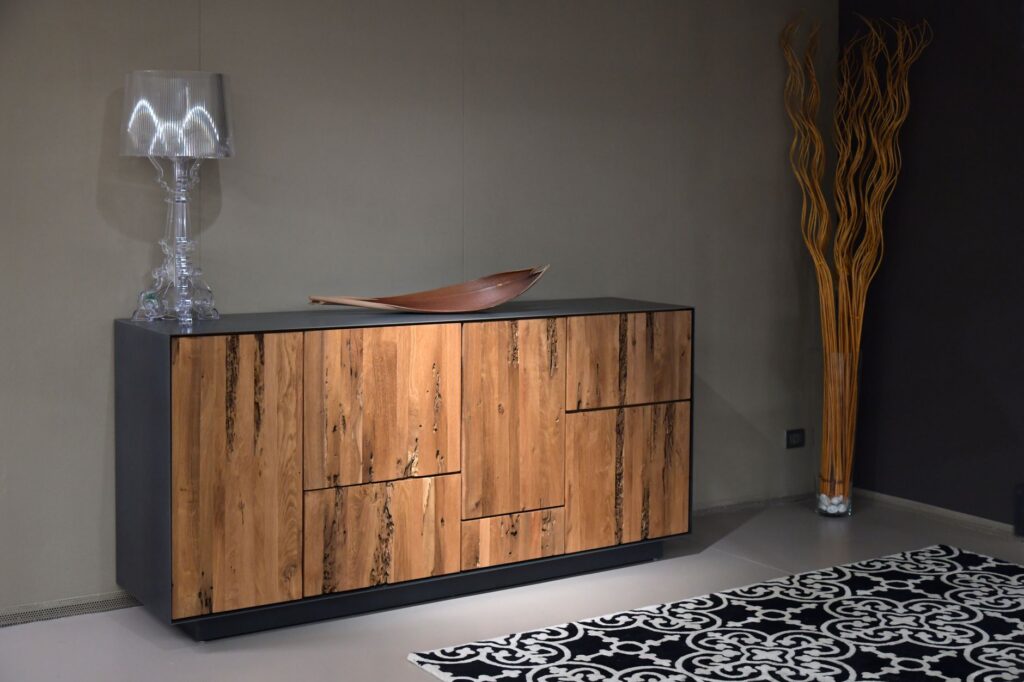
You need more storage in your living room, but a bulky bookcase feels too heavy and floating shelves aren’t cutting it. A credenza might be exactly what you’re looking for—it’s that low-profile cabinet that gives you tons of hidden storage while creating a beautiful surface for lamps, plants, and the things you actually want to […]
If you’ve been hitting snooze repeatedly or dragging yourself out of bed feeling groggy, you’re not alone. Waking up to a jarring alarm in a dark room works against your body’s natural rhythms, especially during winter months. A sunrise alarm clock mimics natural dawn, gradually filling your room with light to ease you awake. But […]
Waking up at 3 a.m. with a sweaty neck and flipping your pillow to the cool side for the fourth time isn’t just annoying—it’s robbing you of quality sleep. If you’re a hot sleeper, your pillow might be trapping heat against your head and neck all night long. The good news? The right cooling pillow […]