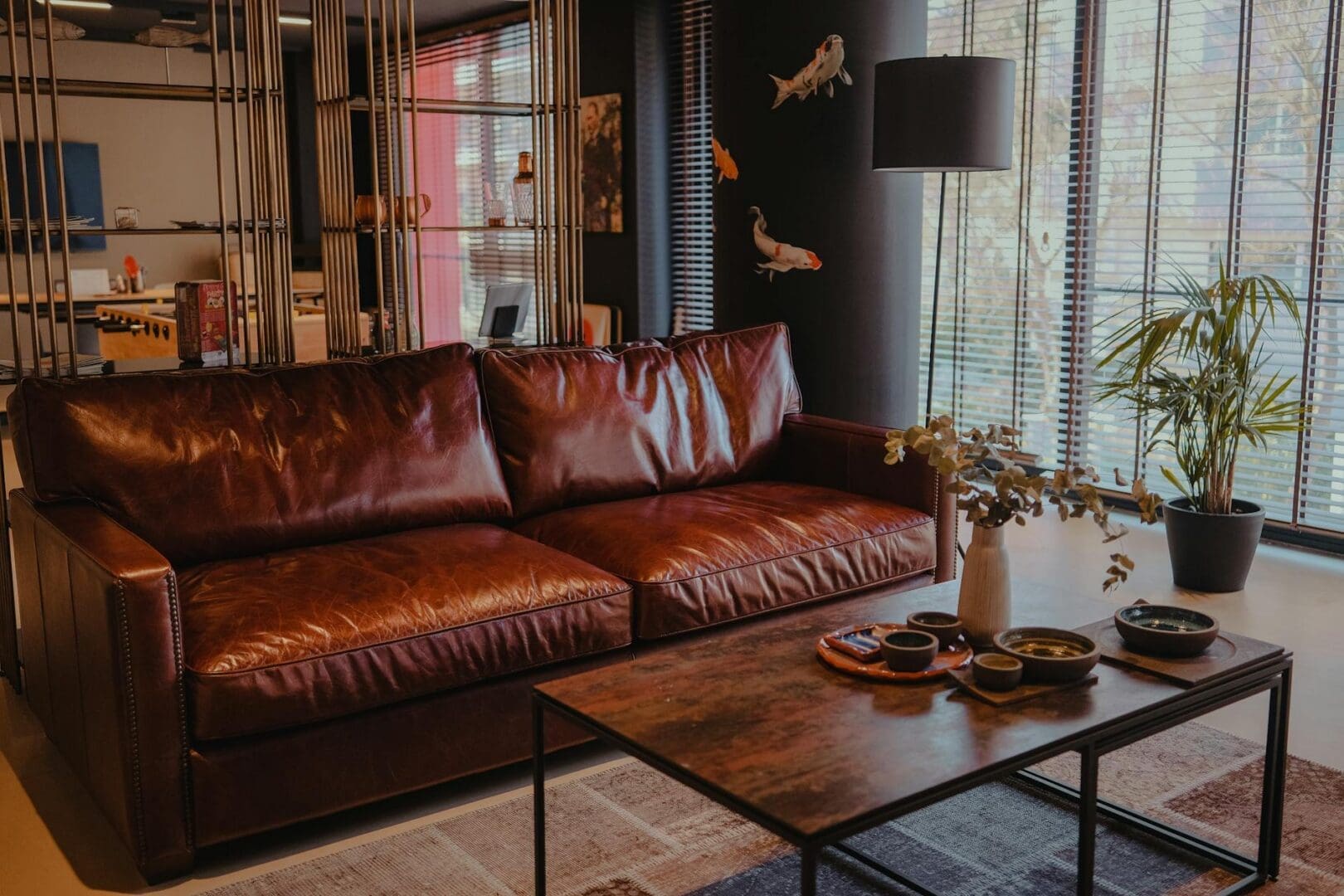
You’ve finally found the perfect sofa style, but now comes the big decision: leather or fabric? It’s one of those choices that seems simple until you start weighing the options. Both materials have devoted fans, and honestly, both can be excellent choices depending on your lifestyle, budget, and what you need from your sofa. Let’s break down what really matters so you can make the right call for your home.
Durability and Longevity
If you’re looking at this as a long-term investment, leather generally wins on durability. A quality leather sofa can last 15-20 years or more with proper care, and it actually gets better with age—developing that coveted patina that gives it character. Top-grain and full-grain leather are your best bets here, though they’ll cost more upfront (think $2,000-$5,000 for a quality piece).
Fabric sofas typically last 7-15 years, but there’s huge variation depending on the material. Performance fabrics like Crypton, Sunbrella, or tightly woven synthetics can rival leather’s toughness, especially in high-traffic homes. These engineered fabrics resist stains, fading, and wear surprisingly well. Natural fabrics like cotton and linen are beautiful but more delicate—they’re better suited to formal living rooms than family rooms where kids sprawl with snacks.
One thing to consider: leather is more resistant to punctures and tears from pet claws, though cats can still do damage if they’re determined scratchers.
Comfort and Feel
This is where personal preference really comes into play. Leather starts out firmer and cooler to the touch, which some people love and others find uncomfortable. It warms up as you sit, but it can feel sticky in summer heat and cold in winter—something to think about if you live in a climate with temperature extremes.
Fabric sofas generally offer that immediate sink-in coziness. They stay a consistent temperature year-round, and there’s an incredible range of textures to choose from—soft velvet, nubby linen, smooth microfiber, plush chenille. If you’re someone who likes to curl up with a blanket and spend hours on the sofa, fabric typically wins the comfort contest.
Keep in mind that leather does soften over time. That firm new leather sofa will develop a more relaxed, lived-in feel after a few years of use.
Maintenance and Cleaning
Here’s where leather really shines for busy households. Spills wipe right off with a damp cloth—no panic when someone knocks over a glass of red wine. Regular maintenance just means occasional dusting and conditioning every 6-12 months to keep the leather supple. Budget around $30-50 annually for a good leather conditioner.
Fabric requires more vigilance. You’ll want to vacuum regularly to prevent dust and dirt from settling into the weave, and most spills need immediate attention. The good news? Many modern performance fabrics are treated to repel stains, and removable, washable cushion covers make deep cleaning much easier. If washable covers are important to you, confirm this before buying—not all fabric sofas offer this feature.
For fabric sofas without removable covers, professional cleaning every 12-18 months is smart, running $100-200 per visit. Factor this into your total cost of ownership.
Price and Value
Budget fabric sofas start around $500-800, with mid-range options in the $1,000-2,500 range, and high-end pieces climbing above $3,000. Leather typically starts higher—around $1,500 for bonded or genuine leather (lower quality options), with top-grain leather pieces ranging from $2,000-5,000+.
But here’s the thing: when you calculate cost per year of use, a $3,500 leather sofa that lasts 20 years costs less annually than a $1,200 fabric sofa that needs replacing in 8 years. If you’re planning to stay in your home long-term and want to buy once, leather often represents better value.
That said, fabric gives you more flexibility if you like refreshing your space every few years or if your budget is tight right now. You can find truly excellent fabric sofas in the $1,500-2,000 range that’ll serve you beautifully for a decade.
The right choice really comes down to your daily life. Leather makes sense if you want low-maintenance durability and have pets or kids who are hard on furniture. Fabric is your friend if immediate comfort matters most, you love having texture options, or you’re working with a tighter budget. Either way, focus on quality construction—sturdy hardwood frames, eight-way hand-tied springs, and high-density foam—because that’s what determines how any sofa holds up over time, regardless of what’s covering it.
You need more storage in your living room, but a bulky bookcase feels too heavy and floating shelves aren’t cutting it. A credenza might be exactly what you’re looking for—it’s that low-profile cabinet that gives you tons of hidden storage while creating a beautiful surface for lamps, plants, and the things you actually want to […]
If you’ve been hitting snooze repeatedly or dragging yourself out of bed feeling groggy, you’re not alone. Waking up to a jarring alarm in a dark room works against your body’s natural rhythms, especially during winter months. A sunrise alarm clock mimics natural dawn, gradually filling your room with light to ease you awake. But […]
Waking up at 3 a.m. with a sweaty neck and flipping your pillow to the cool side for the fourth time isn’t just annoying—it’s robbing you of quality sleep. If you’re a hot sleeper, your pillow might be trapping heat against your head and neck all night long. The good news? The right cooling pillow […]