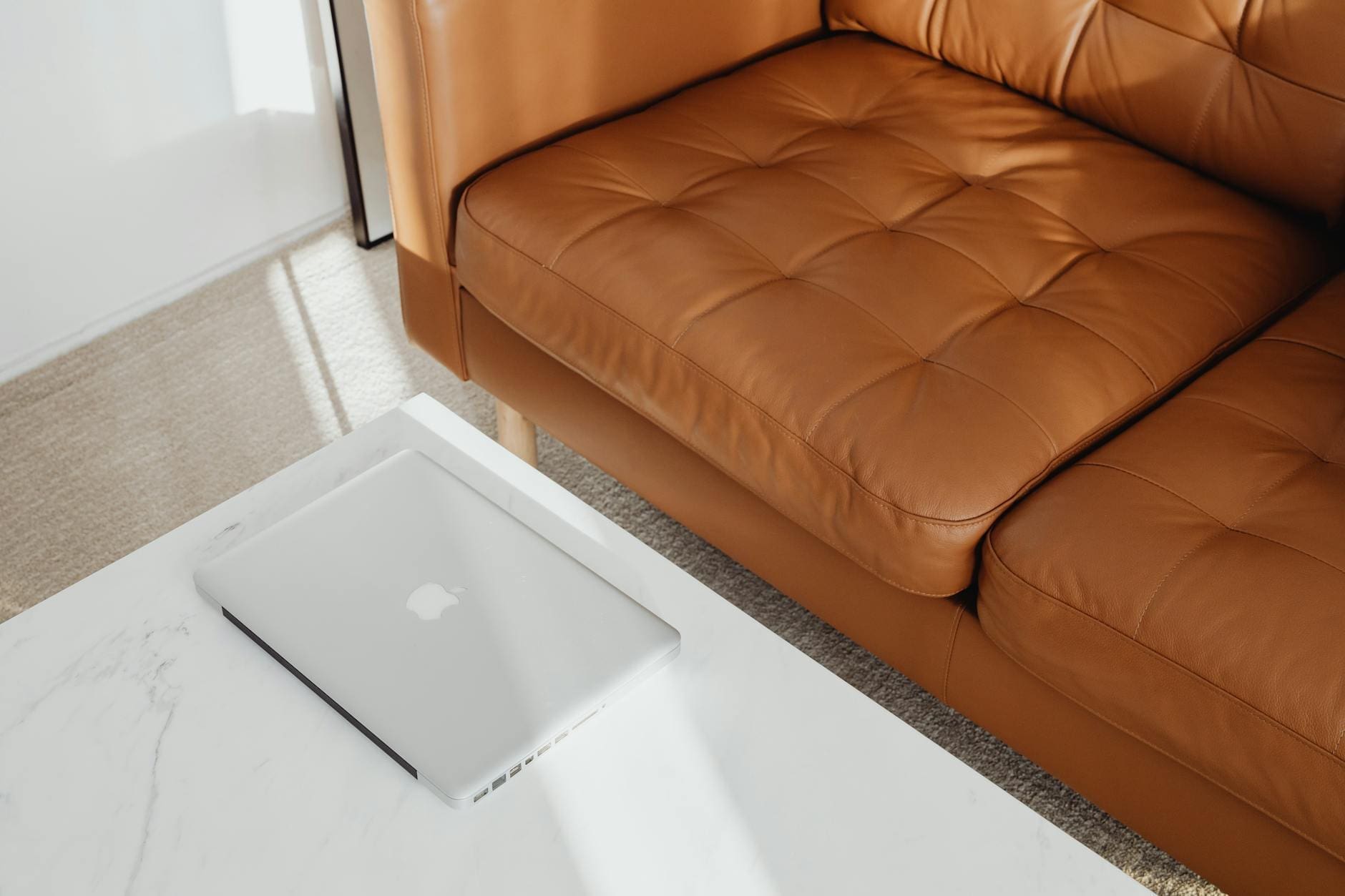
A leather sofa is one of those purchases that can either delight you for decades or become a source of regret. The difference usually comes down to knowing what you’re actually buying. With price tags ranging from under $1,000 to well over $5,000, and leather quality varying just as dramatically, it’s worth spending some time understanding what makes one leather sofa worth the investment and another just clever marketing.
Understanding Leather Types and Quality
Not all leather is created equal, and the type you choose will dramatically affect how your sofa looks, feels, and ages. Top-grain leather is the gold standard—it’s the outer layer of the hide with the natural grain intact. It develops a beautiful patina over time and can last 25+ years with proper care. You’ll find this in sofas starting around $2,500 and up.
Full-grain leather is even better (and pricier), showing natural markings and imperfections that actually add character. Corrected-grain leather has been sanded and stamped with an artificial grain pattern, making it more uniform but less durable. It’s common in mid-range sofas ($1,200-$2,500) and perfectly serviceable for many households.
Bonded leather sits at the budget end (under $1,000) and is actually mostly vinyl with leather scraps mixed in. It can peel and crack within a few years, so consider it carefully if you’re hoping for longevity. If you see terms like “genuine leather” without further detail, dig deeper—it’s often a vague marketing term that doesn’t tell you much about quality.
Size, Configuration, and Your Space
Leather sofas tend to have a more substantial visual presence than fabric ones, so sizing matters even more. Measure your room carefully, leaving at least 30 inches of walking space around the sofa. Don’t forget to measure doorways, stairwells, and hallways—leather sofas are often heavier and less forgiving during delivery.
Consider depth as well as length. Standard sofas run 36-40 inches deep, but if you like to sprawl, look for deeper options around 42-45 inches. Leather shows every wrinkle and crease, so deeper seats that allow you to sit properly can actually look neater over time.
Think about configuration too. Sectionals work beautifully in leather for open-concept spaces, while a classic three-seater suits more traditional rooms. Leather loveseats can feel formal, so make sure that matches your vision before committing.
Lifestyle Considerations and Durability
Here’s where leather gets interesting. It’s remarkably durable and easier to clean than most people think—spills wipe right off without soaking in. If you have kids or pets, a quality leather sofa often outlasts fabric alternatives, though sharp claws can scratch softer leathers.
That said, leather requires some maintenance. It needs conditioning every 6-12 months to prevent drying and cracking, especially in homes with lots of direct sunlight or low humidity. Protected or pigmented leather is more forgiving and stain-resistant, while aniline leather (the most natural-looking) requires more careful treatment.
Temperature matters too. Leather feels cool in summer and can feel cold in winter until it warms up. It also tends to be less forgiving than cushiony fabric sofas, maintaining a firmer feel that some people love and others find less cozy. Sit on several options in person if possible—the tactile experience varies significantly between leather types and tanning processes.
Frame Construction and What’s Underneath
Even the finest leather won’t save a poorly built sofa. Look for hardwood frames (kiln-dried oak, maple, or ash) rather than particle board or softwood. The frame should be corner-blocked and joined with dowels or double dowels, not just staples or glue.
Cushion construction affects both comfort and appearance. High-density foam (at least 1.8 density) holds up best under regular use. Some manufacturers use down-wrapped foam cores for added softness, which feels luxurious but requires more fluffing to maintain shape. For leather specifically, consider how cushions attach—fixed backs and seats in leather develop character over time, while removable cushions can look rumpled more easily.
A quality leather sofa represents a significant investment, but it’s one that pays off in both durability and timeless style. The key is matching the leather type and construction quality to your budget and lifestyle expectations. A well-chosen leather sofa doesn’t just furnish a room—it anchors it with warmth and sophistication that only gets better with age. Take your time, ask questions about leather grade and frame construction, and don’t be swayed by deals that seem too good to be true. Your living room deserves a sofa that’ll still look great a decade from now.
You need more storage in your living room, but a bulky bookcase feels too heavy and floating shelves aren’t cutting it. A credenza might be exactly what you’re looking for—it’s that low-profile cabinet that gives you tons of hidden storage while creating a beautiful surface for lamps, plants, and the things you actually want to […]
If you’ve been hitting snooze repeatedly or dragging yourself out of bed feeling groggy, you’re not alone. Waking up to a jarring alarm in a dark room works against your body’s natural rhythms, especially during winter months. A sunrise alarm clock mimics natural dawn, gradually filling your room with light to ease you awake. But […]
Waking up at 3 a.m. with a sweaty neck and flipping your pillow to the cool side for the fourth time isn’t just annoying—it’s robbing you of quality sleep. If you’re a hot sleeper, your pillow might be trapping heat against your head and neck all night long. The good news? The right cooling pillow […]