Walking into a furniture store or scrolling through home decor sites can feel overwhelming when you’re not sure what style you’re even looking for. You know what you like when you see it, but how do you describe it? Understanding the main interior design styles helps you shop smarter, communicate with sales associates, and create a cohesive look throughout your home instead of ending up with a mismatched collection of pieces you bought on impulse.
Let’s break down the most popular design styles in practical terms, so you can identify what resonates with you and start making confident purchasing decisions.
Modern and Contemporary: What’s the Difference?
These terms get used interchangeably, but they’re actually different. Modern design refers specifically to a movement from the early to mid-20th century. Think clean lines, minimal ornamentation, neutral color palettes with pops of primary colors, and materials like steel, glass, and molded plywood. A modern sofa typically has exposed legs, straight arms, and sleek silhouettes without tufting or frills.
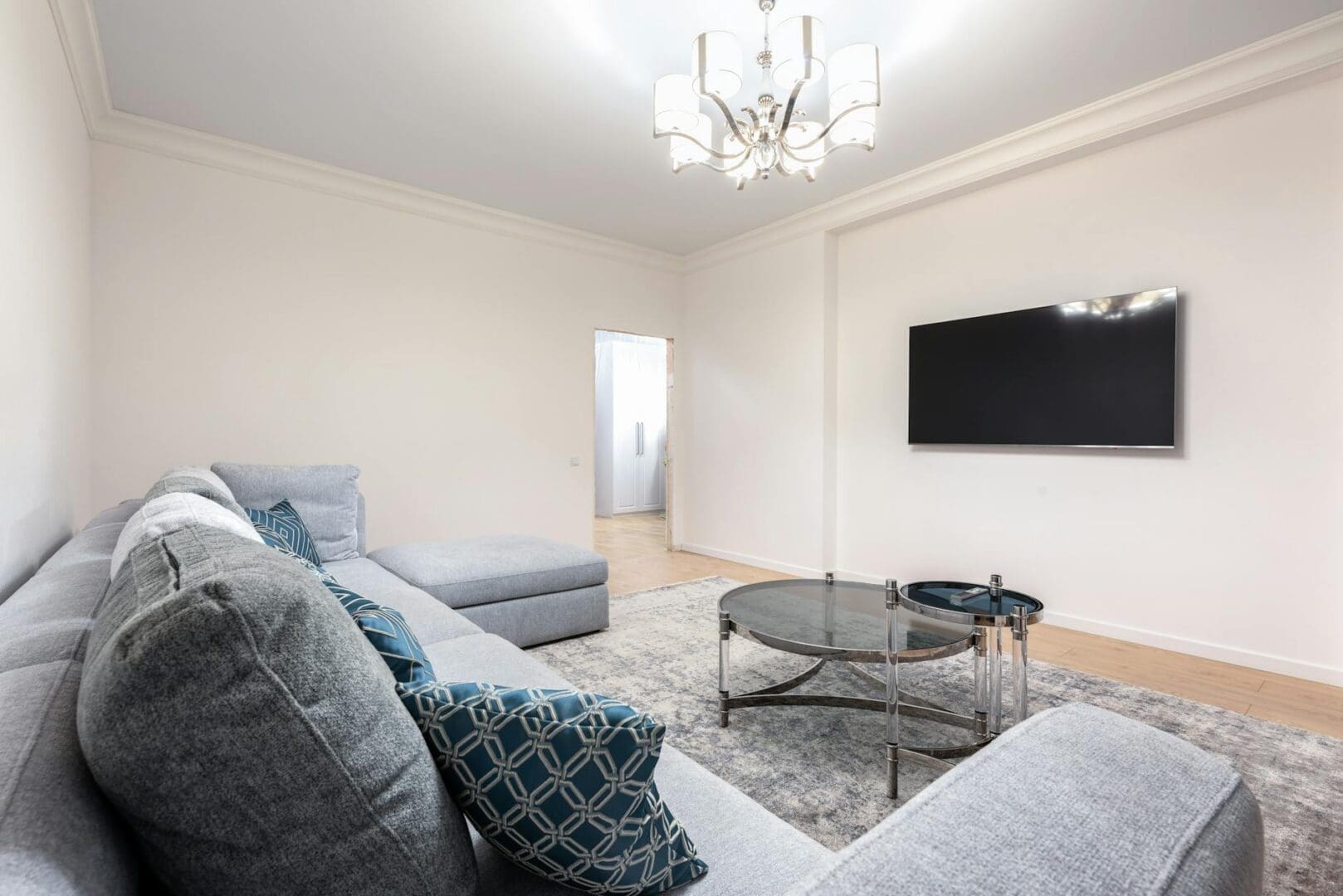
Contemporary design means “of the moment” and evolves with current trends. Right now, contemporary spaces feature curved furniture, organic shapes, mixed metals, and warmer neutrals like taupe and greige. Contemporary pieces often blend elements from multiple eras, making this style more flexible than strict modern design.
Price-wise, both styles range dramatically. Budget-friendly modern pieces start around $400-$600 for a sofa, while designer contemporary furniture can exceed $3,000. Look for simple construction, quality upholstery fabrics, and solid wood or metal frames rather than particle board.
Traditional and Transitional Approaches
Traditional design draws from European decor of the 18th and 19th centuries. You’ll recognize it by ornate details, rich wood finishes (think cherry, mahogany, walnut), tufted upholstery, curved lines, and symmetrical arrangements. Traditional sofas often feature rolled arms, turned legs, and classic patterns like damask or toile.
If traditional feels too formal but modern seems too stark, transitional style might be your sweet spot. This approach blends traditional comfort with modern simplicity—a neutral linen sofa with clean lines but comfortable proportions, or a classic wingback chair upholstered in a solid fabric instead of a busy pattern. Most people find transitional easier to live with because it adapts to changing tastes without requiring a complete overhaul.
Traditional furniture tends to be investment-level, with quality pieces starting around $1,200 for upholstered seating. Transitional pieces can be more accessible, with good options in the $700-$1,500 range.
Relaxed Styles: Farmhouse, Coastal, and Bohemian
Farmhouse style emphasizes rustic charm with distressed wood finishes, neutral colors, natural textures, and vintage or vintage-inspired pieces. Look for dining tables with visible wood grain, slipcovered sofas in linen or cotton, and open shelving. Modern farmhouse adds cleaner lines and less distressing to the traditional farmhouse aesthetic.
Coastal design uses light, airy colors (whites, blues, sandy neutrals), natural materials like rattan and jute, and relaxed silhouettes. Coastal furniture should feel casual—think slipcovered sectionals, weathered wood coffee tables, and woven accent chairs. This style works well beyond beach houses if you want a calm, uncluttered feeling.
Bohemian style is the wild card, mixing patterns, textures, and pieces from different cultures and eras. Success with boho requires a good eye for balance. Start with neutral foundational pieces, then layer in colorful textiles, plants, and collected items. A neutral sofa in a natural fabric gives you flexibility to change accessories as your tastes evolve.
Industrial and Mid-Century Modern
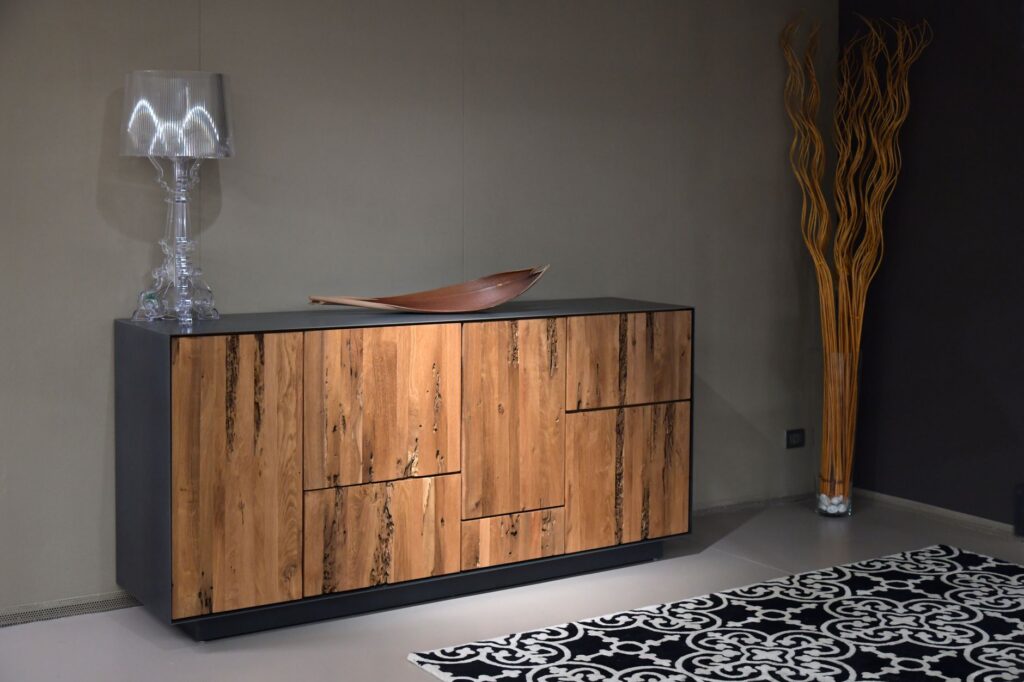
Industrial design takes inspiration from warehouses and factories, featuring exposed materials like brick and concrete, metal frames, reclaimed wood, and utilitarian shapes. Industrial dining tables often combine wood tops with metal bases, while seating might feature leather upholstery with visible stitching and metal legs. This style works especially well in lofts or homes with architectural features like exposed beams.
Mid-century modern (roughly 1945-1969) remains incredibly popular for good reason. The style features tapered legs, organic curves, mixed materials, and functional forms. A classic mid-century sofa has a low profile, angled legs, and button-tufted cushions. Walnut and teak are signature woods. Quality reproductions of iconic mid-century pieces range from $800-$2,000, while authentic vintage can cost significantly more.
Your home doesn’t need to commit to just one style. Many beautifully decorated spaces mix elements from complementary styles—mid-century furniture with bohemian textiles, or transitional pieces in an industrial loft. The key is identifying which styles appeal to you, then looking for common threads in color palette, materials, or proportions to create cohesion. Start with larger foundational pieces in a style you love, and you’ll find that shopping for everything else becomes much easier.
You need more storage in your living room, but a bulky bookcase feels too heavy and floating shelves aren’t cutting it. A credenza might be exactly what you’re looking for—it’s that low-profile cabinet that gives you tons of hidden storage while creating a beautiful surface for lamps, plants, and the things you actually want to […]
If you’ve been hitting snooze repeatedly or dragging yourself out of bed feeling groggy, you’re not alone. Waking up to a jarring alarm in a dark room works against your body’s natural rhythms, especially during winter months. A sunrise alarm clock mimics natural dawn, gradually filling your room with light to ease you awake. But […]
Waking up at 3 a.m. with a sweaty neck and flipping your pillow to the cool side for the fourth time isn’t just annoying—it’s robbing you of quality sleep. If you’re a hot sleeper, your pillow might be trapping heat against your head and neck all night long. The good news? The right cooling pillow […]