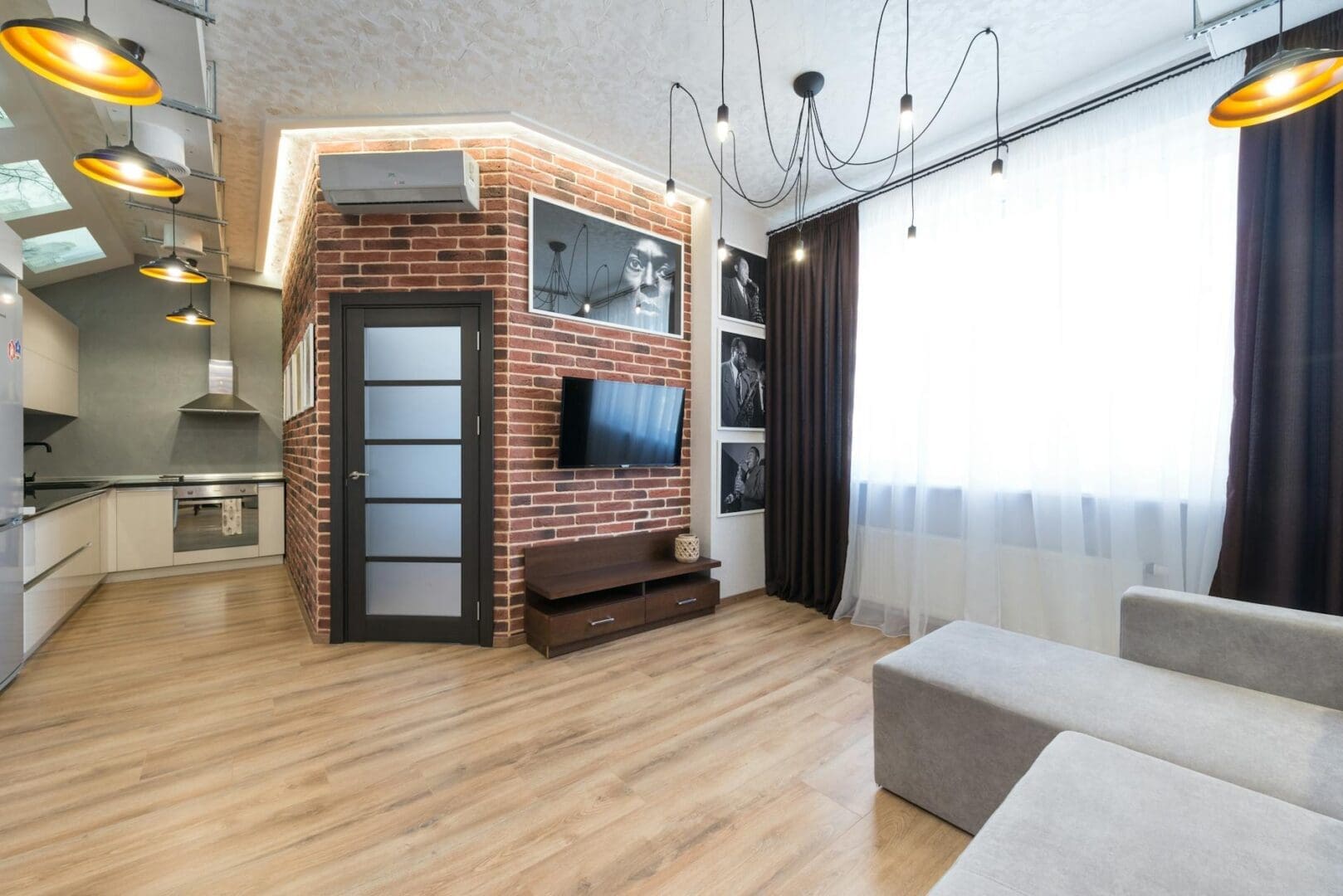
If you’re drawn to exposed brick, metal fixtures, and the kind of raw aesthetic that makes urban lofts so appealing, industrial design might be calling your name. The challenge? Creating an industrial living room that feels intentionally edgy without looking like an unfinished warehouse. The good news is that industrial style is surprisingly forgiving and works beautifully in everything from actual lofts to standard apartments and homes.
Choosing the Right Furniture Pieces
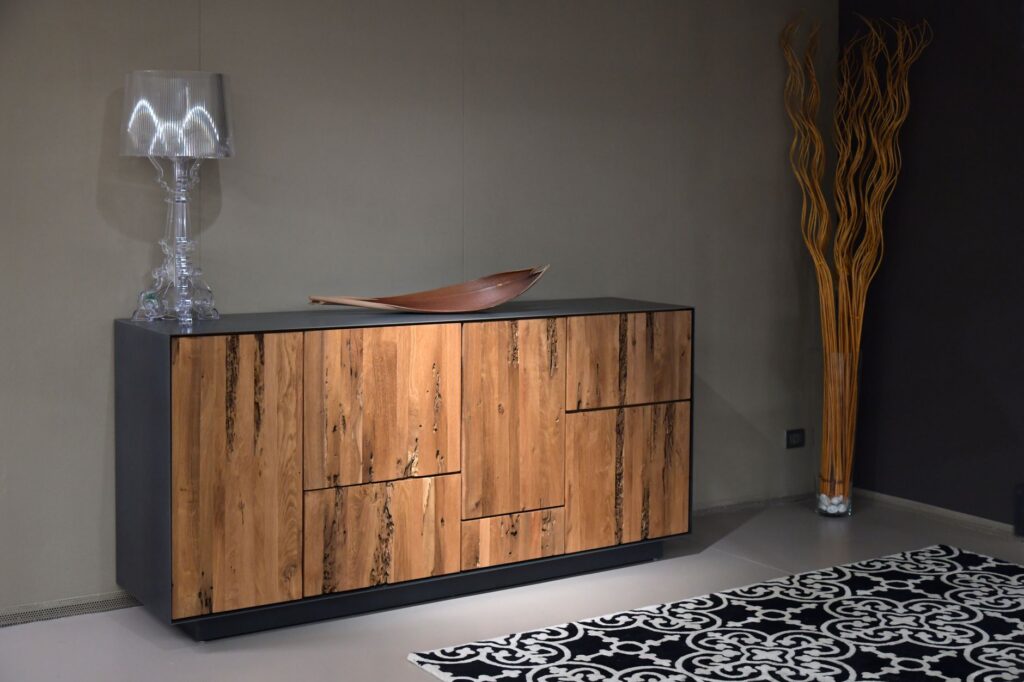
Industrial living rooms rely heavily on furniture that celebrates materials rather than hides them. Look for pieces where you can see the construction—metal frames, visible welds, reclaimed wood with its history intact.
Your sofa should balance the harder industrial elements in the room. Leather is the classic choice, especially in brown or cognac tones that develop character over time. A distressed leather sofa in the $1,200-2,500 range offers durability and authentic patina. If leather isn’t your thing, canvas or linen upholstery in neutral tones works too, just skip anything overly plush or tufted.
Coffee tables and side tables are where industrial style really shines. Seek out pieces with metal bases—think cast iron or steel—paired with wood, concrete, or glass tops. Reclaimed wood planks on a steel frame or a vintage factory cart converted into a coffee table ($300-800) instantly anchor the aesthetic. The beauty of these pieces is that minor dents and rust actually enhance rather than diminish their appeal.
For shelving and storage, industrial pipe shelving or metal bookcases with a powder-coated finish deliver both function and style. These typically run $400-1,200 depending on size and can be found ready-made or custom-built for your exact wall dimensions.
Materials and Finishes That Define the Look
Industrial design is all about honest materials—nothing fake or overly refined. This is where you get to embrace imperfection.
Metal is non-negotiable. Black steel, brushed nickel, wrought iron, and aged brass all work. Look for these in light fixtures, table legs, cabinet hardware, and decorative accents. Mixing metals is not only acceptable but encouraged in industrial spaces.
Wood should look lived-in. Reclaimed wood, weathered finishes, and visible grain patterns are ideal. Avoid anything too polished or orange-toned. Walnut, oak, and pine in natural or darkened stains complement the industrial vibe. The contrast between rough wood and smooth metal creates the tension that makes this style interesting.
Concrete elements add authentic industrial character. A concrete coffee table, concrete planters, or even concrete-look side tables ($200-600) introduce texture without overwhelming the space. If actual concrete feels too heavy, consider concrete-composite pieces that give you the look with less weight.
Don’t forget glass and brick. Exposed brick is the ultimate backdrop, but if you don’t have it, you can introduce brick through an accent wall treatment or simply let other materials carry the style. Glass—whether in coffee tables, cabinet doors, or room dividers—keeps the space from feeling too heavy.
Lighting and Accessories That Complete the Space
Lighting can make or break your industrial living room. Edison bulbs, pendant lights with metal cages, and angular floor lamps with exposed bulbs are signature elements. Budget $150-400 for a statement pendant or chandelier, less for smaller pieces. Black metal track lighting also works well and offers flexibility.
Keep accessories minimal but meaningful. Vintage industrial finds like old factory signs, metal wall art, or antique tools displayed as decor add authenticity. Large clocks with metal frames, wire baskets for storage, and black-and-white photography in simple frames all reinforce the aesthetic without cluttering.
Textiles soften the harder elements—think wool throw blankets, leather pillows, and natural fiber rugs. A jute or sisal rug grounds the seating area while maintaining the organic, unfussy feel. Area rugs typically run $200-1,000 depending on size and quality.
Pulling It All Together
The industrial living room works because it balances rough with refined, hard with soft, old with new. Start with one or two anchor pieces—maybe that leather sofa and a metal-and-wood coffee table—then layer in lighting and smaller furnishings that support the aesthetic. The style is forgiving enough that you can mix vintage finds with new purchases, and imperfections just add character. Once you understand the core materials and finishes, shopping becomes easier because you’ll know exactly what fits and what doesn’t.
You need more storage in your living room, but a bulky bookcase feels too heavy and floating shelves aren’t cutting it. A credenza might be exactly what you’re looking for—it’s that low-profile cabinet that gives you tons of hidden storage while creating a beautiful surface for lamps, plants, and the things you actually want to […]
If you’ve been hitting snooze repeatedly or dragging yourself out of bed feeling groggy, you’re not alone. Waking up to a jarring alarm in a dark room works against your body’s natural rhythms, especially during winter months. A sunrise alarm clock mimics natural dawn, gradually filling your room with light to ease you awake. But […]
Waking up at 3 a.m. with a sweaty neck and flipping your pillow to the cool side for the fourth time isn’t just annoying—it’s robbing you of quality sleep. If you’re a hot sleeper, your pillow might be trapping heat against your head and neck all night long. The good news? The right cooling pillow […]