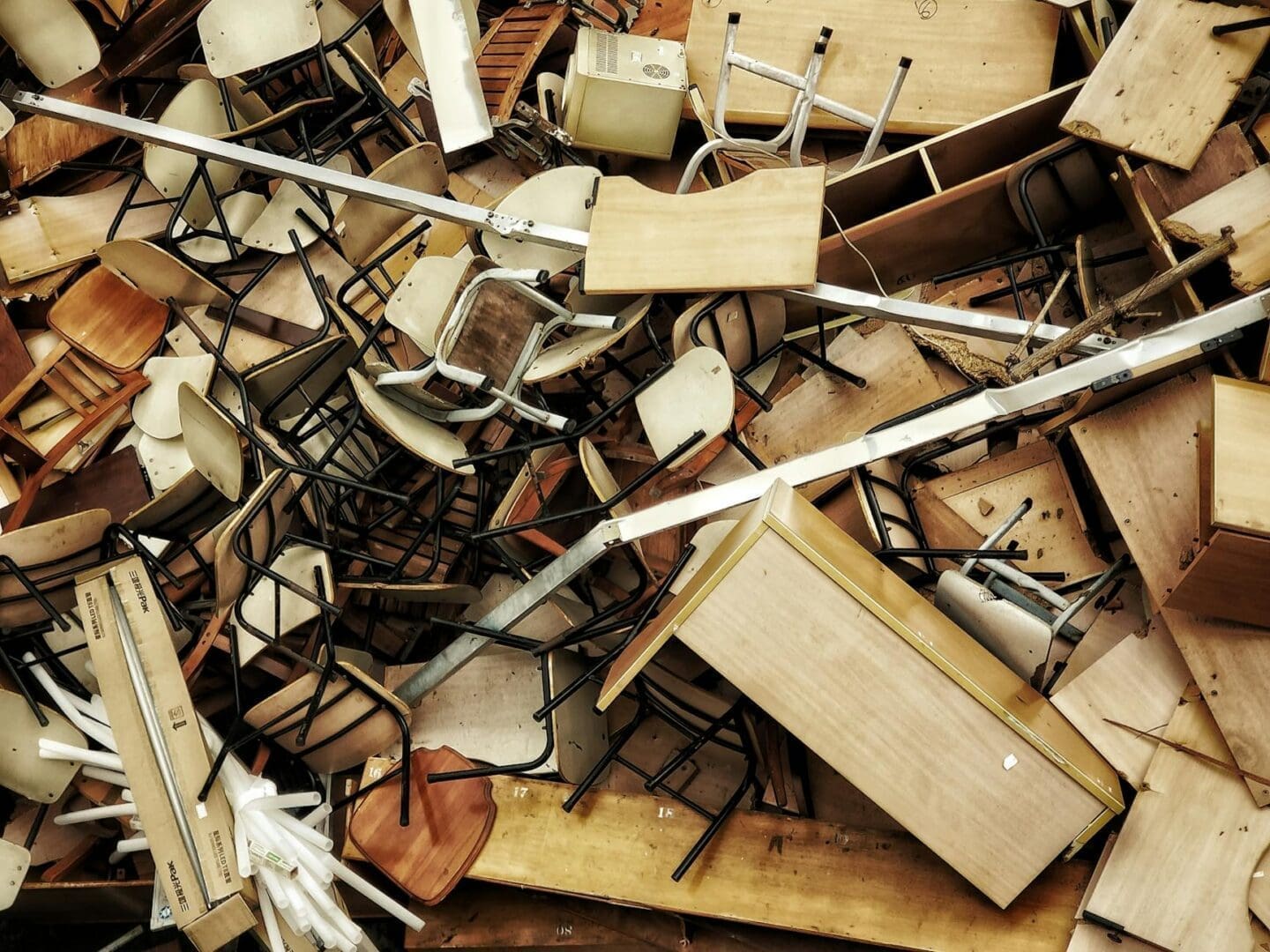
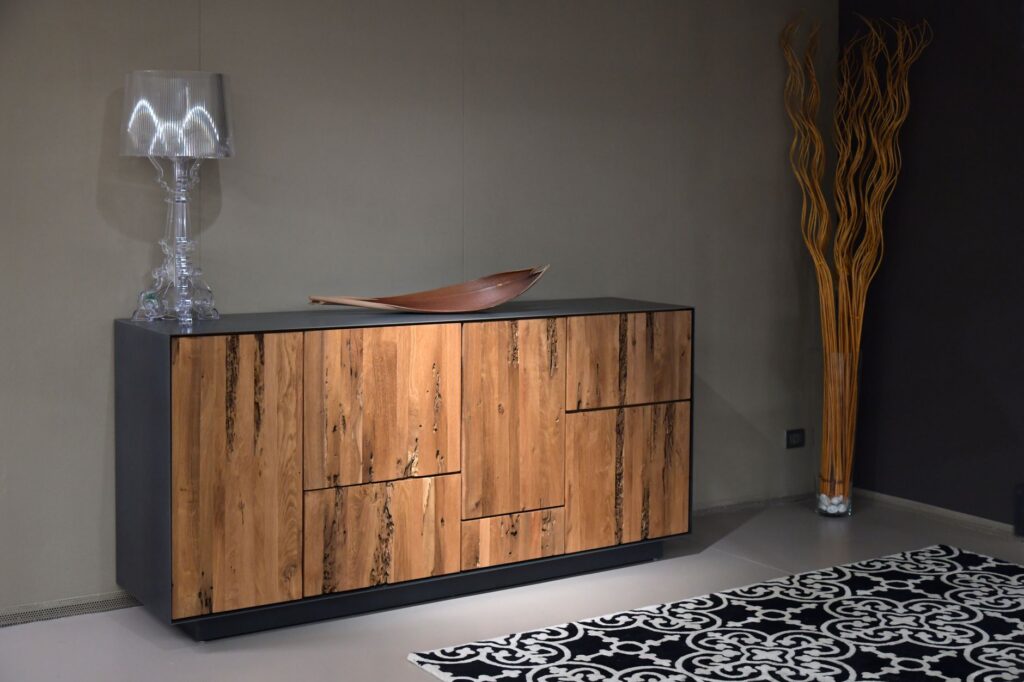
That worn-out dresser in your guest room or the dated dining chairs you inherited don’t have to head to the curb. With a little effort and surprisingly modest investment, you can transform tired pieces into furniture that looks custom and intentional. The best part? You’ll save hundreds compared to buying new while creating something uniquely yours.
Which Pieces Are Actually Worth Upcycling
Not every old piece deserves your time and money. Focus on furniture with solid wood construction—these pieces were built to last and take paint, stain, and hardware updates beautifully. Run your hand along drawer boxes and table undersides; if you feel real wood rather than particleboard, you’ve got a winner.
The sweet spot for upcycling includes dressers, nightstands, dining chairs, coffee tables, and wooden bed frames. These pieces have simple structures that make them forgiving for beginners. Skip anything with extensive water damage, broken joinery, or veneer that’s peeling beyond repair—those problems eat up your budget fast.
Estate sales, thrift stores, and online marketplaces often price solid wood furniture at $50-150 because it looks outdated. That’s your opportunity. A $75 oak dresser with good bones can rival $600 retail pieces once you’ve updated it.
Budget-Friendly Materials That Make the Biggest Impact
Paint transforms furniture faster and cheaper than any other update. Quality furniture paint runs $30-45 per quart, which covers a large dresser with two coats. Chalk-style paints work beautifully for beginners since they require minimal prep and create that sought-after matte finish. For a more durable result on high-touch pieces like dining tables, use a paint-and-primer combo topped with water-based polyurethane.
Hardware upgrades deliver serious wow factor for minimal cost. Swapping outdated brass pulls for modern matte black handles or elegant brass knobs instantly updates the entire piece. Budget $3-8 per pull for good quality options, meaning you’ll spend $24-64 to refit a six-drawer dresser—a small investment for major visual impact.
Other budget-friendly supplies include:
Medium-grit sandpaper or sanding blocks: $8-12 for everything you’ll need
Wood filler for scratches and holes: $6-10 per container
Foam brushes and rollers: $10-15 for a starter set
TSP cleaner or deglosser: $8-12
Expect to spend $75-150 in materials for a complete furniture makeover, with paint and hardware claiming the lion’s share of that budget.
Techniques That Look Professional Without Special Skills
The cleanest upcycling projects follow a simple formula: proper prep, thin paint coats, and thoughtful details. Start by removing all hardware and cleaning every surface with TSP or a deglosser to remove decades of oils and grime. This step makes or breaks paint adhesion.
Light sanding comes next—you’re not stripping the piece, just roughing up the surface so paint can grip. A quick pass with 150-grit sandpaper does the job. Fill any gouges with wood filler, let it dry, then sand smooth.
When painting, thin coats always beat thick ones. Two or three light coats prevent drips and create a factory-smooth finish. A foam roller gives you that coveted smooth surface on flat areas, while an angled brush handles detailed spots. Let each coat dry completely—rushing this part shows in the final result.
For dining tables and high-traffic surfaces, seal your paint with two coats of water-based polyurethane. It adds $18-25 to your budget but means your hard work lasts years instead of months.
When to Stop and When to Keep Going
Simple updates work best for most upcycling projects. A dresser painted in a single sophisticated color with new hardware looks intentional and high-end. The more techniques you pile on—distressing, multiple colors, decorative transfers—the easier it becomes to veer into craft-project territory rather than refined furniture.
That said, some pieces benefit from showing their age. A farmhouse dining table looks gorgeous with paint on the base and natural wood on top. Chairs can handle a two-tone treatment beautifully. Just keep your color palette tight—two colors maximum, three if you’re counting the natural wood.
The key is knowing your end goal before you start. Scroll through some furniture inspiration, screenshot pieces that match your style, and use those as your north star. You’re creating furniture that should blend seamlessly with items you’d buy new, not announce itself as a DIY project.
Upcycling furniture stretches your decorating budget remarkably far while letting you customize pieces to your exact specifications. Start with one manageable project—maybe a nightstand or small side table—and you’ll quickly develop the confidence to tackle larger pieces. You’ll end up with furniture that cost a fraction of retail prices but looks just as polished in your home.
You need more storage in your living room, but a bulky bookcase feels too heavy and floating shelves aren’t cutting it. A credenza might be exactly what you’re looking for—it’s that low-profile cabinet that gives you tons of hidden storage while creating a beautiful surface for lamps, plants, and the things you actually want to […]
If you’ve been hitting snooze repeatedly or dragging yourself out of bed feeling groggy, you’re not alone. Waking up to a jarring alarm in a dark room works against your body’s natural rhythms, especially during winter months. A sunrise alarm clock mimics natural dawn, gradually filling your room with light to ease you awake. But […]
Waking up at 3 a.m. with a sweaty neck and flipping your pillow to the cool side for the fourth time isn’t just annoying—it’s robbing you of quality sleep. If you’re a hot sleeper, your pillow might be trapping heat against your head and neck all night long. The good news? The right cooling pillow […]