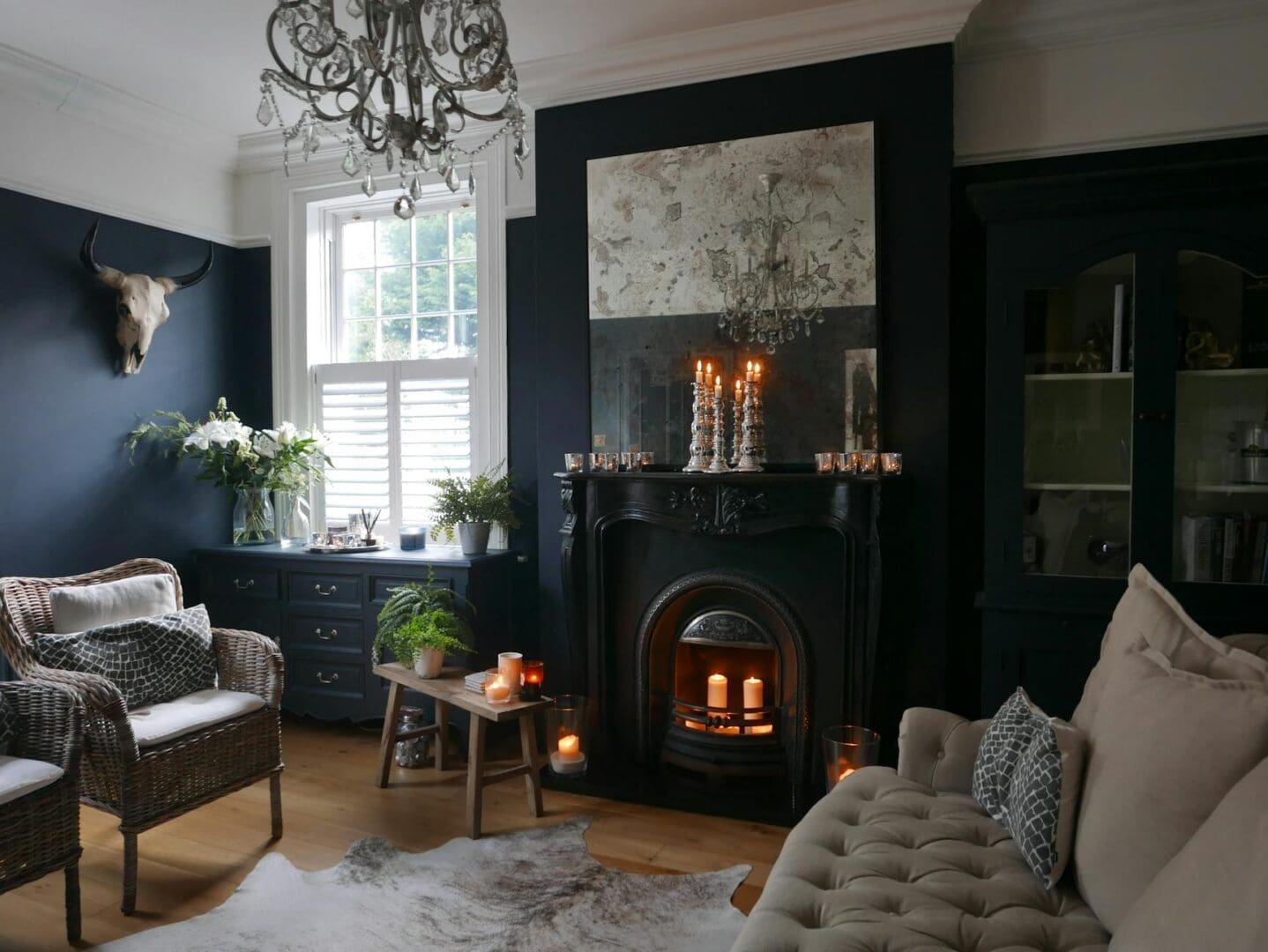
So you’ve painted your living room walls a gorgeous deep charcoal, navy, or forest green—or you’re thinking about it. Dark walls can transform a space from ordinary to magazine-worthy, but they also present a styling challenge. Get it wrong, and your room feels like a dungeon. Get it right, and you’ve created the most sophisticated, cozy space in your home. Here’s how to make dark walls work beautifully.
Balance Dark Walls with Light Furniture
The most critical decision you’ll make is choosing furniture that prevents your room from feeling too heavy. Light-colored sofas and chairs create essential contrast against dark walls and reflect what natural light you have. A cream linen sofa, a light gray sectional, or even a soft blush velvet couch will pop against moody walls while keeping the space from feeling oppressive.
That doesn’t mean everything needs to be pale, though. A mix works best—maybe a light sofa paired with a darker accent chair, or neutral seating with wood-toned pieces that add warmth without adding visual weight. Coffee tables and side tables in natural oak, walnut, or even glass help maintain airiness while complementing your dramatic backdrop.
If you’re committed to darker furniture, make sure your upholstery has texture or sheen—think leather, velvet, or nubby fabrics that catch light differently than flat paint. And definitely increase your lighting plan, which we’ll get to next.
Layer Your Lighting Generously
Dark walls absorb light rather than reflect it, so you’ll need roughly 50% more light sources than you would with pale walls. One overhead fixture won’t cut it anymore. Plan for at least three different light sources in your living room: overhead lighting, floor lamps, and table lamps.
Floor lamps with arching designs work especially well because they bring light up and out into the room rather than just pooling it in one spot. Look for options with brass, gold, or chrome finishes that reflect light themselves. Budget-friendly versions start around $80, while designer arc lamps can run $400-$800.
Table lamps on side tables or console tables add pools of warm light at eye level, which makes the space feel intimate rather than dim. Choose lamps with lighter-colored shades—white, cream, or even metallic interiors—to maximize light output. Wall sconces are another smart addition if you have the wiring; they add dimension and wash light across those dark walls in a flattering way.
Add Reflective and Metallic Accents
Mirrors are your secret weapon with dark walls. A large mirror opposite or adjacent to a window will bounce natural light around the room and create the illusion of more space. Oversized leaning mirrors (those big 6-7 foot ones) make a dramatic statement and seriously improve the light situation. Expect to spend $200-$500 for something substantial with a quality frame.
Beyond mirrors, incorporate metallic finishes throughout the room. Brass and gold bring warmth to cool-toned dark walls like navy or charcoal, while chrome and silver complement warmer dark colors like burgundy or chocolate brown. Think about:
Coffee tables with metal frames or legs
Decorative trays and bowls in mixed metals
Picture frames in brass or silver
Hardware on cabinets or shelving units
Metallic throw pillows or accessories
These reflective surfaces catch and bounce light around, preventing that cave effect you’re trying to avoid.
Choose the Right Colors for Textiles and Accessories
Your throw pillows, curtains, rugs, and artwork become even more important with dark walls. White and cream are obvious choices for contrast, but don’t stop there. Jewel tones like emerald, sapphire, and ruby look incredible against dark backgrounds. Warm terracotta, burnt orange, and mustard yellow add energy without fighting with the walls.
For area rugs, lighter colors with darker patterns work better than solid dark rugs, which will visually disappear into your walls. A cream or beige rug with geometric patterns grounds the space while maintaining brightness at floor level. Size matters here too—go larger than you think you need so the rug extends well beyond your furniture and creates a light-colored foundation for the room.
Window treatments should let in maximum light during the day. Sheer curtains or light linen panels in white or ivory keep things airy. If you need blackout capability for TV viewing, consider layering sheers with heavier curtains you can pull back when not in use.
Dark walls offer a dramatic backdrop that makes thoughtful styling really shine. The key is balance—countering that depth with plenty of light sources, reflective surfaces, and lighter furnishings. When you get the mix right, you’ll have a living room that feels sophisticated and enveloping rather than dark and cramped. Start with your largest furniture pieces in lighter tones, add those extra lamps you think you don’t need (you do), and layer in metallic accents until the space glows.
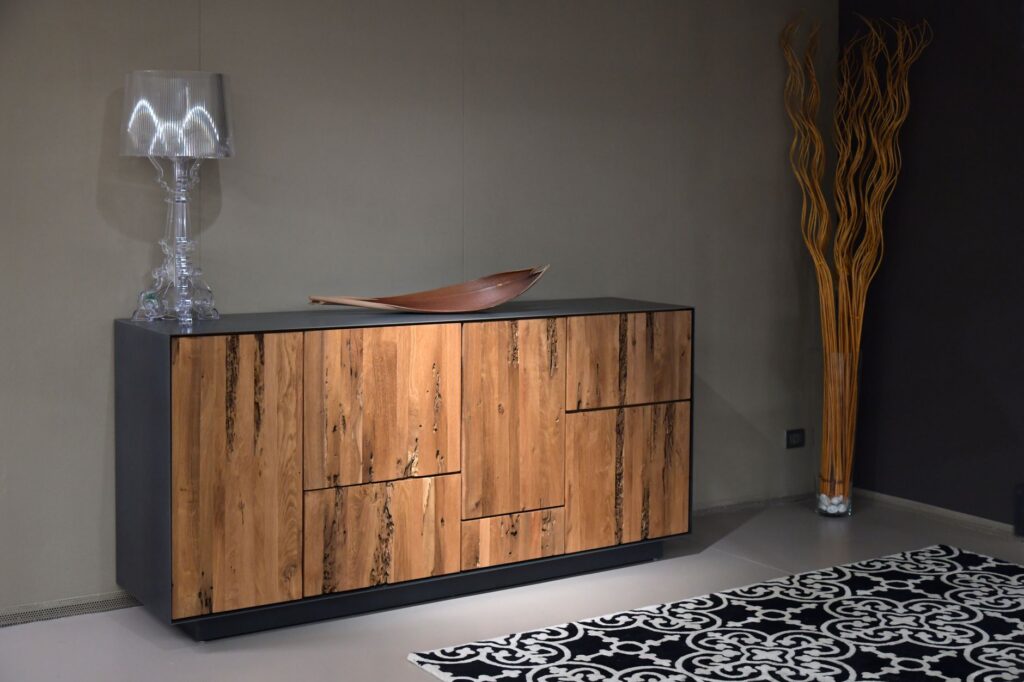
You need more storage in your living room, but a bulky bookcase feels too heavy and floating shelves aren’t cutting it. A credenza might be exactly what you’re looking for—it’s that low-profile cabinet that gives you tons of hidden storage while creating a beautiful surface for lamps, plants, and the things you actually want to […]
If you’ve been hitting snooze repeatedly or dragging yourself out of bed feeling groggy, you’re not alone. Waking up to a jarring alarm in a dark room works against your body’s natural rhythms, especially during winter months. A sunrise alarm clock mimics natural dawn, gradually filling your room with light to ease you awake. But […]
Waking up at 3 a.m. with a sweaty neck and flipping your pillow to the cool side for the fourth time isn’t just annoying—it’s robbing you of quality sleep. If you’re a hot sleeper, your pillow might be trapping heat against your head and neck all night long. The good news? The right cooling pillow […]