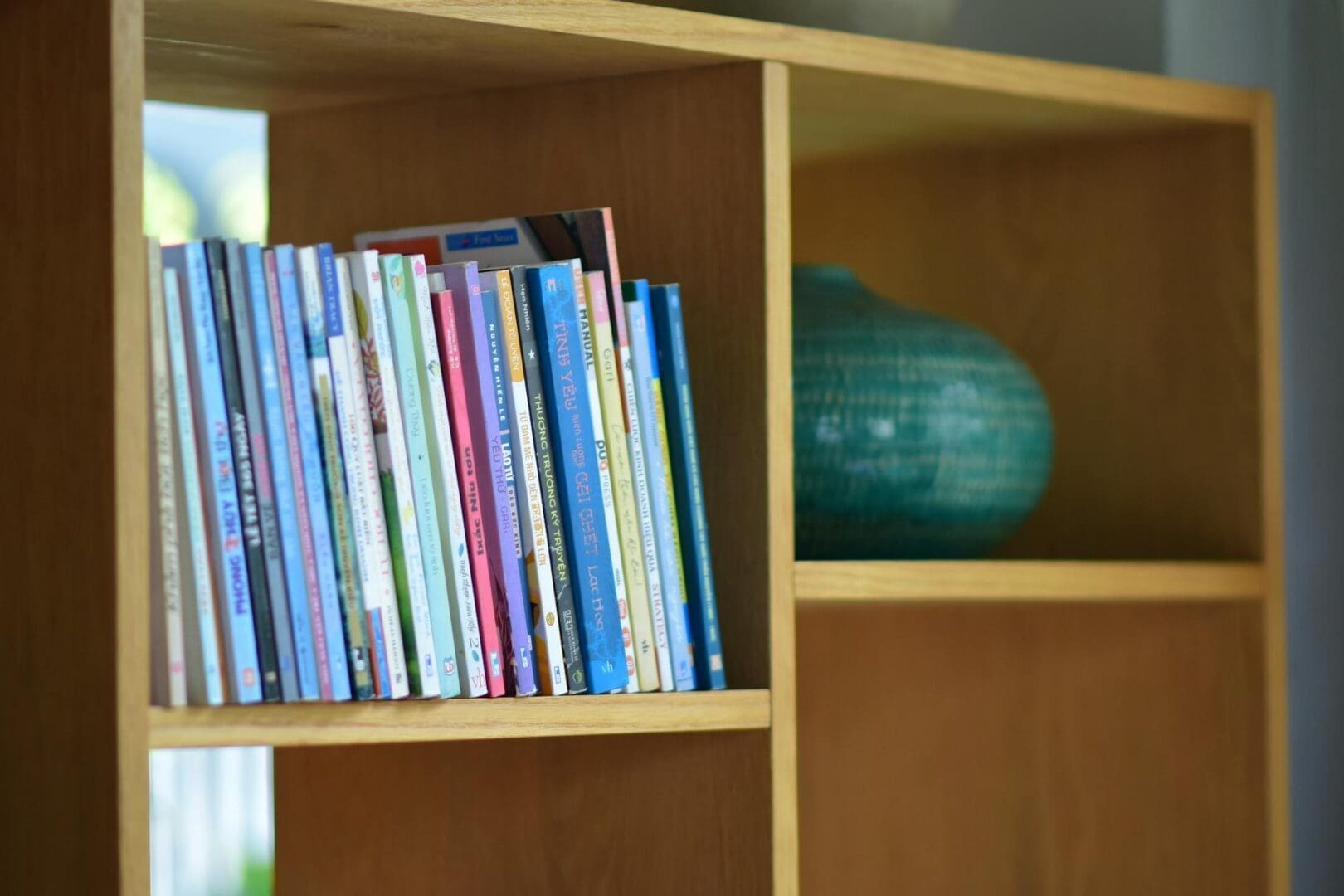
You’ve got the bookshelf, you’ve got the books and objects, but somehow when you arrange everything, it looks cluttered or bare or just… off. Meanwhile, designer bookshelves in magazines look effortlessly curated. The good news? Those perfectly styled shelves follow a formula, and once you know the tricks, you can recreate that polished look in your own home.
Start With the Rule of Three
Designers swear by odd-numbered groupings, especially groups of three. When styling each shelf, think in clusters of three objects with varying heights. This might be a tall vase, a medium stack of books, and a small decorative object. The triangular composition creates visual interest without looking overly symmetrical.
For larger shelving units, you’ll want to repeat this pattern across multiple shelves while varying what those groups contain. One shelf might feature books, pottery, and a plant, while another showcases a framed photo, a sculptural object, and more books. The repetition of the three-item rhythm creates cohesion, while the variety keeps things interesting.
Don’t feel locked into threes on every single shelf. Some shelves can hold just books, others might have a single statement piece. The rule of three is your foundation, not a rigid requirement.
Layer Front to Back for Depth
Flat, single-layer arrangements are what make most bookshelves fall flat. The designer secret is layering objects from back to front. Start by placing larger items like books or artwork against the back wall, then layer smaller objects in front.
Try leaning a framed print or cutting board against the back of a shelf, then placing a small plant or decorative box in front of it. Stack books horizontally and rest an object on top. This front-to-back layering creates dimension and makes your shelves feel curated rather than simply filled.
Floating shelves and shallow bookcases work beautifully with this technique since you’re working with limited depth anyway. On deeper built-ins or standard bookcases (typically 10-12 inches deep), you have even more room to create interesting layers.
Balance Color and Negative Space
This is where most people go wrong: they either cram every inch full or obsess over color-coding books into a rainbow. Designers take a more balanced approach. Distribute color throughout the entire unit rather than clustering it in one spot. If you have a coral vase, don’t put all your orange books on the same shelf.
Just as important is negative space. Leave some breathing room on each shelf. A good rule of thumb is to keep shelves about 60-70% full. This means some sections will have generous empty space around objects, which paradoxically makes everything look more intentional and expensive.
Consider your overall color story too. If your room skews neutral, your bookshelf can introduce pops of color. If your space is already vibrant, a more restrained palette on your shelves will feel sophisticated. White or neutral objects like ceramic vases, marble bookends, and light wood boxes are investment pieces that work with any scheme.
Mix Books With Meaningful Objects
A bookshelf styled like a designer’s isn’t just about books, it’s about creating a curated collection that tells your story. Mix in travel souvenirs, family photos in simple frames, small plants (real or high-quality faux), pottery, sculptures, decorative boxes, and vintage finds.
Vary how you arrange books too. Some should stand vertically as you’d expect, but stack others horizontally to create platforms for objects. Remove dust jackets from hardcovers for a more cohesive look, or keep jackets on books with beautiful spines that add color.
Keep scale in mind. On taller shelves, use taller objects. Lower shelves can handle shorter, wider pieces. This proportion play makes the entire unit feel balanced. And don’t underestimate the power of a beautiful coffee table book laid flat, it’s both functional and decorative.
Styling a bookshelf takes some experimentation. Start with your largest items and anchor pieces, then fill in with smaller objects, adjusting as you go. Step back frequently to assess balance and spacing. The beauty of bookshelf styling is that nothing’s permanent—you can always move things around until it feels right. With these designer principles in your back pocket, you’re well on your way to shelves that look professionally curated.
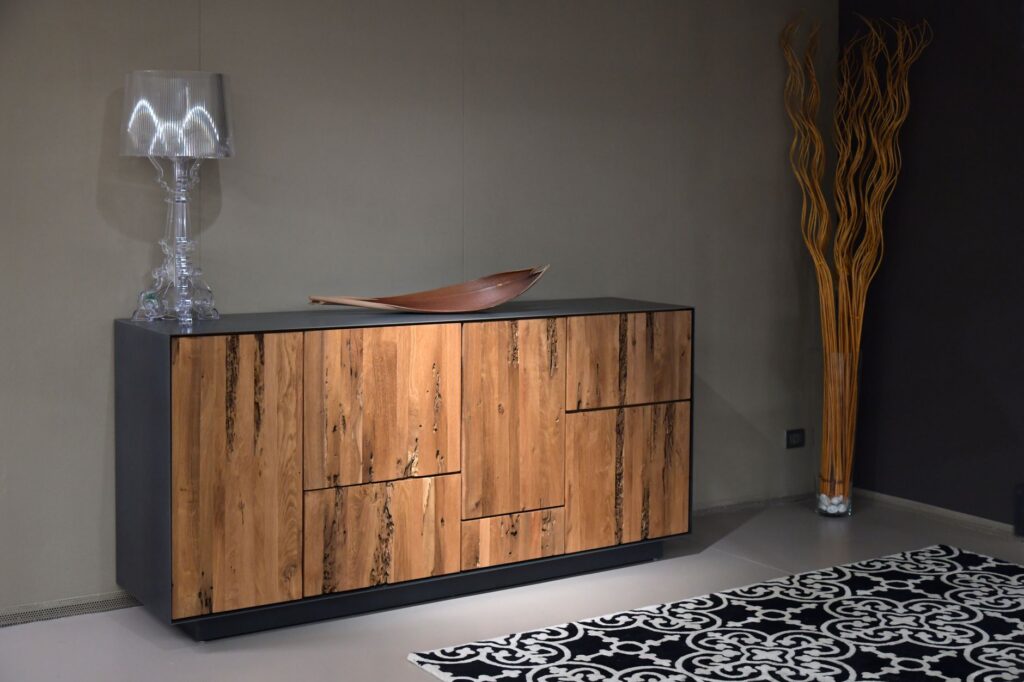
You need more storage in your living room, but a bulky bookcase feels too heavy and floating shelves aren’t cutting it. A credenza might be exactly what you’re looking for—it’s that low-profile cabinet that gives you tons of hidden storage while creating a beautiful surface for lamps, plants, and the things you actually want to […]
If you’ve been hitting snooze repeatedly or dragging yourself out of bed feeling groggy, you’re not alone. Waking up to a jarring alarm in a dark room works against your body’s natural rhythms, especially during winter months. A sunrise alarm clock mimics natural dawn, gradually filling your room with light to ease you awake. But […]
Waking up at 3 a.m. with a sweaty neck and flipping your pillow to the cool side for the fourth time isn’t just annoying—it’s robbing you of quality sleep. If you’re a hot sleeper, your pillow might be trapping heat against your head and neck all night long. The good news? The right cooling pillow […]