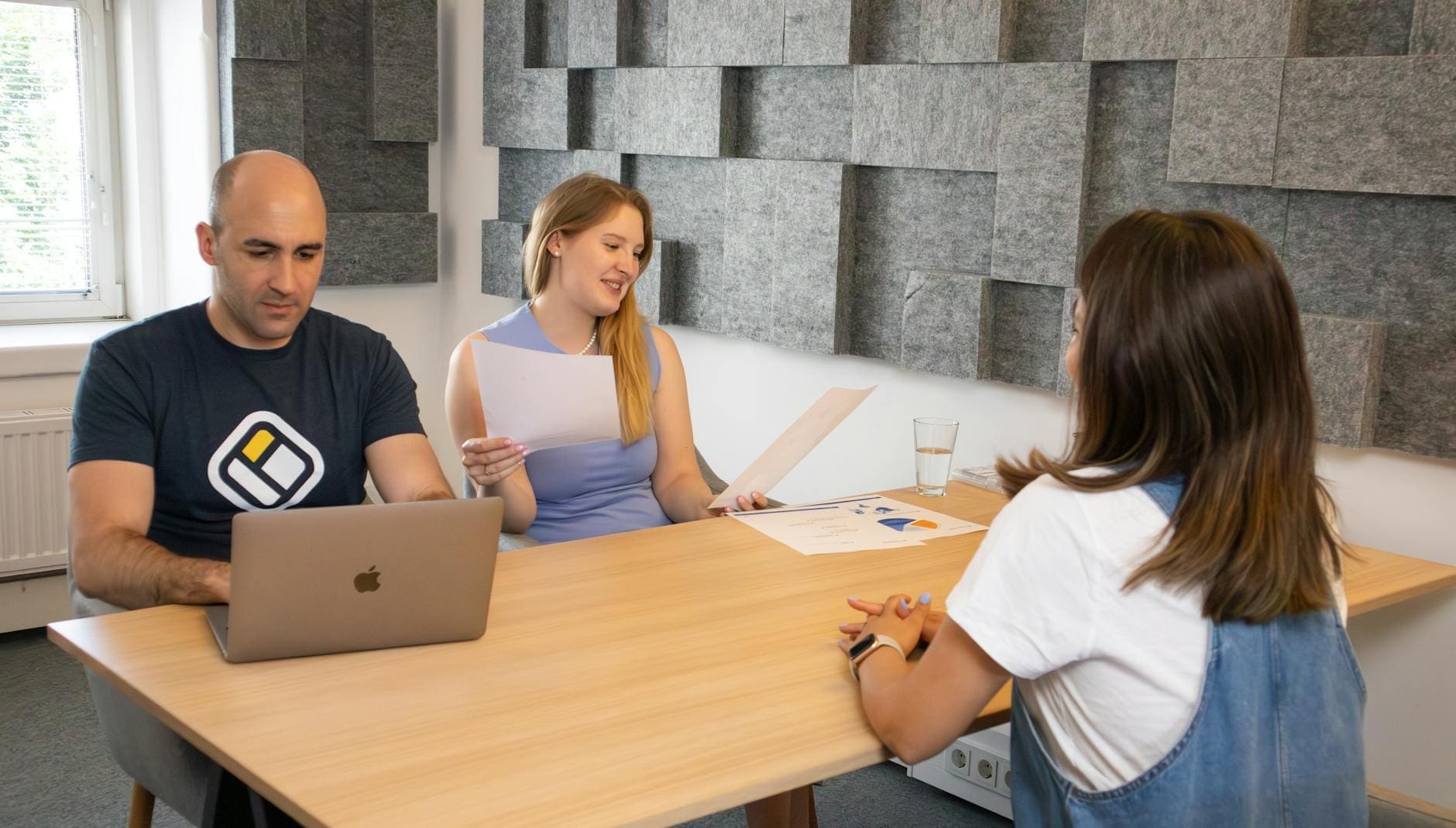
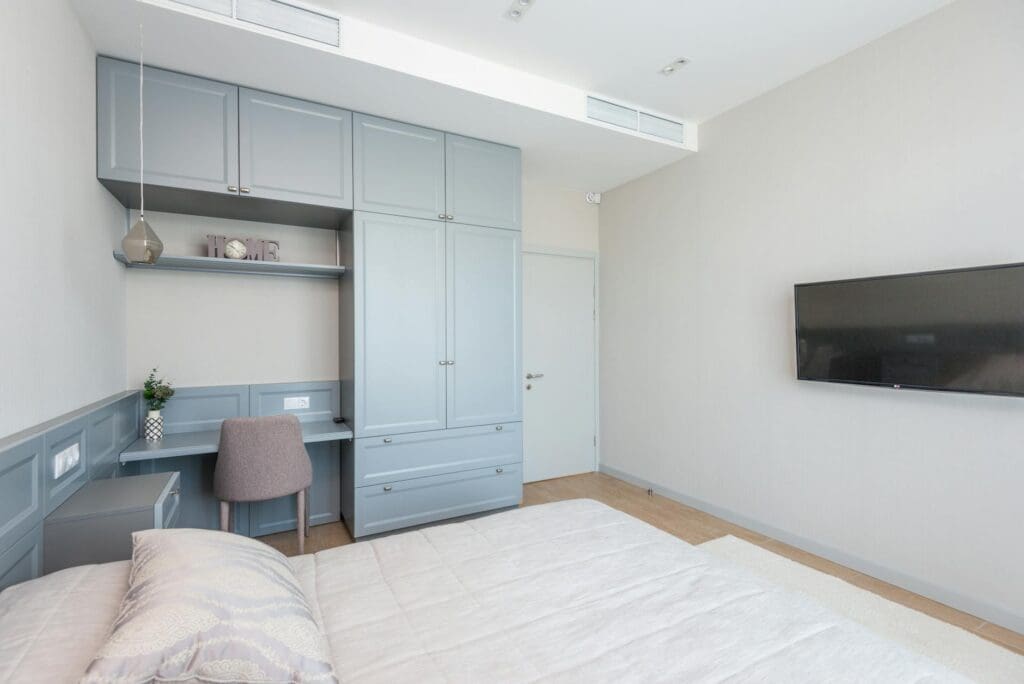
Nothing kills productivity quite like trying to focus through barking dogs, traffic noise, or the sounds of daily household activity bleeding into your workspace. If you’re working from home and struggling with noise distractions, you don’t need to gut your office and install specialized walls. The right furniture choices and thoughtful decor can dramatically reduce unwanted sound and help you finally concentrate.
Start with Soft, Sound-Absorbing Furniture
Hard surfaces bounce sound around a room, while soft, dense materials absorb it. This is why empty rooms echo and furnished rooms feel quieter. Your furniture selections make a real difference in how sound behaves in your office.
Upholstered furniture is your first line of defense. A fabric desk chair absorbs more sound than mesh or leather. If you have space, add an upholstered armchair or small sofa—even if you rarely sit there, it’s working to dampen sound. Look for pieces with thick cushioning rather than thin padding over hard frames.
Bookshelves filled with books act as surprisingly effective sound barriers, especially when placed on walls adjacent to noisy areas. The varied depths and textures of book spines diffuse sound waves. Go for solid wood shelving units at least 12 inches deep, and fill them completely. Budget options start around $100 for basic units, while solid hardwood pieces run $400-$800.
Your desk choice matters too. Solid wood desks absorb more sound than hollow particleboard or metal-frame options. If you’re keeping your current desk, a thick desk pad or felt mat adds a layer of sound dampening while protecting the surface.
Layer Your Floors and Walls Strategically
Bare floors and walls are acoustic nightmares. Each hard surface reflects sound, amplifying noise rather than reducing it.
Area rugs are essential in any home office soundproofing plan. Look for rugs with thick pile or dense weaves—a plush wool rug or high-pile synthetic will outperform a thin flatweave. For maximum effect, add a rug pad underneath. Quality rug pads (around $30-$80 depending on size) provide an extra sound-absorbing layer while keeping your rug in place. Aim to cover at least 60% of your floor space.
Wall treatments don’t have to mean industrial foam panels. Acoustic fabric panels wrapped in attractive textiles blend into your decor while absorbing sound. These typically cost $30-$80 per panel, and even four to six strategically placed panels make a noticeable difference. Install them on the wall facing your noisiest sound source or behind your desk to reduce echo during video calls.
Heavy curtains or drapes also pull double duty, especially if your office has windows facing a busy street. Look for lined or thermal curtains with substantial weight. Velvet, suede, and multi-layer blackout curtains perform particularly well. Budget $50-$150 per window panel depending on size and quality.
Create Physical Barriers with Room Dividers and Layout
Sometimes the best soundproofing strategy is simply blocking the direct path sound travels. If your office shares a wall with a living area or you’re working in a corner of a larger room, furniture placement becomes critical.
Freestanding room dividers or folding screens create both visual and acoustic separation. Upholstered dividers work better than thin wooden screens. Three-panel fabric dividers typically run $100-$300, while more substantial upholstered options with internal padding cost $300-$600. Position them between your workspace and noise sources.
Tall bookcases, filing cabinets, or storage units also function as sound barriers. Place the tallest, most substantial furniture pieces on walls shared with noisy rooms. The goal is mass and density—a tall cabinet filled with supplies blocks more sound than an empty one.
Even your desk position matters. Facing your desk away from doors or windows where sound enters helps psychologically, but placing your desk against an interior wall (rather than a shared wall) reduces noise transmission from adjacent rooms.
Making Your Investment Count
You don’t need to address everything at once. Start with the changes that target your specific noise problems. Street noise? Invest in heavy curtains first. Household sounds from adjacent rooms? Focus on sound-absorbing wall panels and strategic furniture placement.
A realistic budget for meaningful soundproofing through furnishings runs $300-$1,000 depending on your room size and current setup. That might include a substantial area rug with padding, several acoustic panels, heavy curtains, and an upholstered chair or room divider. The investment pays off in improved focus, better video call quality, and a more professional working environment. Your office will not only sound better—it’ll feel more intentional and put-together, which makes showing up to work there that much easier.
Your home office deserves better than a jumble of mismatched shelves and that filing cabinet you’ve been meaning to replace. A storage wall unit can transform your workspace from chaotic to composed, giving you dedicated spots for books, supplies, tech equipment, and all those things that currently live in piles. The trick is finding one […]
If you’re drowning in papers, sticky notes, and file folders that haven’t been touched in months, you’re not alone. The promise of a paper-free office isn’t just about going digital—it’s about choosing furniture and storage solutions that support a cleaner, more organized way of working. The right setup makes it easier to maintain that clutter-free […]
Your back is telling you it’s time. After months of working from home in a dining chair or that hand-me-down seat from college, you’re ready to invest in a proper office chair. The good news? You don’t need to spend $800 on a Herman Miller to get real ergonomic support. The under-$300 market is packed […]