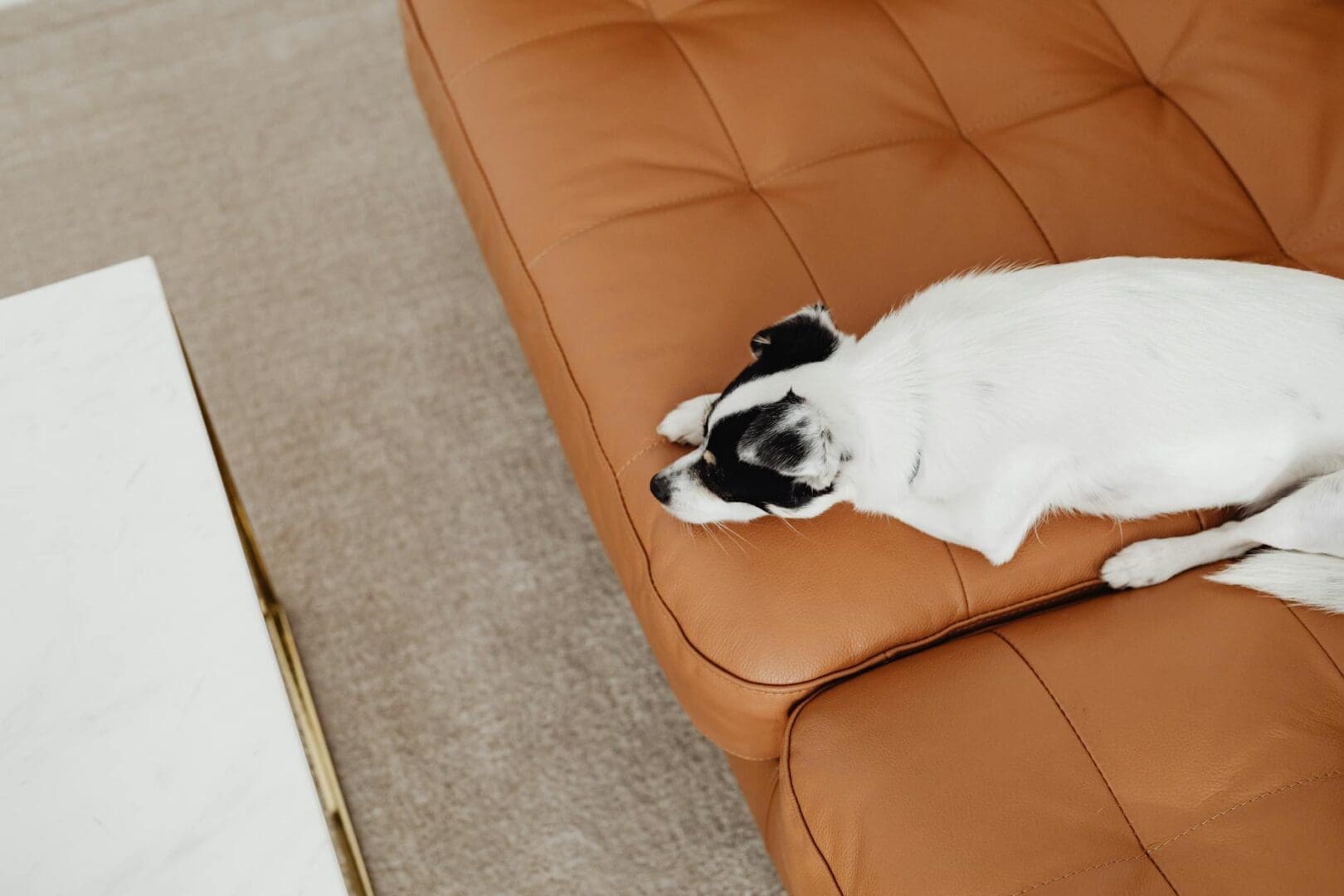
Love your pets but not the fur, scratches, and mystery stains they leave on your sofa? You’re not alone. The good news is you don’t have to choose between a beautiful living room and sharing your space with furry friends. With the right strategies and materials, your sofa can handle everything from muddy paws to shedding season while still looking like something you’d actually want to sit on.
Choose Pet-Friendly Fabrics From the Start
If you’re shopping for a new sofa and have pets, fabric choice matters more than anything else. Skip delicate materials like velvet, silk, or linen—they’re magnets for snags and stains. Instead, look for tightly woven, durable fabrics that can take a beating.
Microfiber and performance fabrics are your best friends here. Brands like Crypton, Sunbrella, and Revolution offer stain-resistant, scratch-resistant fabrics that repel liquids and resist odors. These typically add $200-500 to a sofa’s price, but they’re worth every penny if you have active pets. Leather and faux leather are also solid choices—they wipe clean easily, though cats with claws might see them as scratching posts. If you go the leather route, choose full-grain or top-grain leather in darker colors that hide minor scratches better than lighter shades.
Avoid anything with a loose weave or looped texture. Your pet’s claws will catch and pull threads, leaving your sofa looking shabby within months.
Add Protective Layers That Actually Look Good
Even the toughest sofa benefits from an extra layer of protection. Furniture covers have come a long way from those slippery, plasticky things your grandmother used. Today’s options actually complement your decor.
Quilted furniture protectors ($40-100) stay in place with straps and tuck-ins, offering waterproof protection from accidents while maintaining a tailored look. Washable slipcovers ($80-300) give you the flexibility to toss them in the washing machine after a particularly messy weekend. Look for ones with anti-slip backing or ties to keep them secure—nothing’s worse than constantly readjusting a cover that won’t stay put.
For a more casual approach, try stylish throw blankets strategically placed where your pets typically curl up. You get protection plus an easy design refresh. Keep multiples on hand so you always have a clean one ready while another’s in the wash.
Create Physical Barriers and Boundaries
Sometimes the best protection is keeping pets off the sofa entirely—or at least managing where they lounge. If your dog prefers one end of the couch, place a dedicated pet bed there with a washable cover in a coordinating color. Many pets will happily claim their own spot if it’s comfortable enough.
Furniture corner guards and scratch deterrents can protect arms and legs from destructive clawing. These clear vinyl guards ($15-30) are nearly invisible and create a physical barrier against scratching. For cats, provide appealing alternatives like scratching posts near the sofa, and use deterrent sprays on furniture they shouldn’t touch.
If you’re dealing with a persistent jumper, consider sofa arm tables or trays. They serve double duty as side tables while blocking easy access points for smaller pets.
Maintain and Clean Regularly
Prevention only goes so far—you’ll need a solid maintenance routine to keep your sofa looking fresh. Vacuum weekly using the upholstery attachment to remove pet hair before it weaves into fabric fibers. A rubber pet hair removal tool or lint roller becomes your constant companion.
Address accidents immediately. Blot (never rub) spills with a clean cloth, then treat with an enzyme cleaner specifically designed for pet stains. These break down organic matter that causes odors, something regular cleaners can’t do. Keep a bottle handy under the sink.
Professional cleaning once or twice a year extends your sofa’s life significantly, especially with pets. Budget $100-200 for this service, and consider it an investment in protecting a piece of furniture that likely cost $1,000 or more.
Living with pets doesn’t mean sacrificing a beautiful home. By choosing the right fabrics, adding smart protective layers, setting boundaries, and staying on top of maintenance, your sofa can weather pet ownership and still look great for years. The key is being realistic about your lifestyle and choosing solutions that you’ll actually use consistently—not ones that sit in a closet because they’re too much hassle.
You need more storage in your living room, but a bulky bookcase feels too heavy and floating shelves aren’t cutting it. A credenza might be exactly what you’re looking for—it’s that low-profile cabinet that gives you tons of hidden storage while creating a beautiful surface for lamps, plants, and the things you actually want to […]
If you’ve been hitting snooze repeatedly or dragging yourself out of bed feeling groggy, you’re not alone. Waking up to a jarring alarm in a dark room works against your body’s natural rhythms, especially during winter months. A sunrise alarm clock mimics natural dawn, gradually filling your room with light to ease you awake. But […]
Waking up at 3 a.m. with a sweaty neck and flipping your pillow to the cool side for the fourth time isn’t just annoying—it’s robbing you of quality sleep. If you’re a hot sleeper, your pillow might be trapping heat against your head and neck all night long. The good news? The right cooling pillow […]