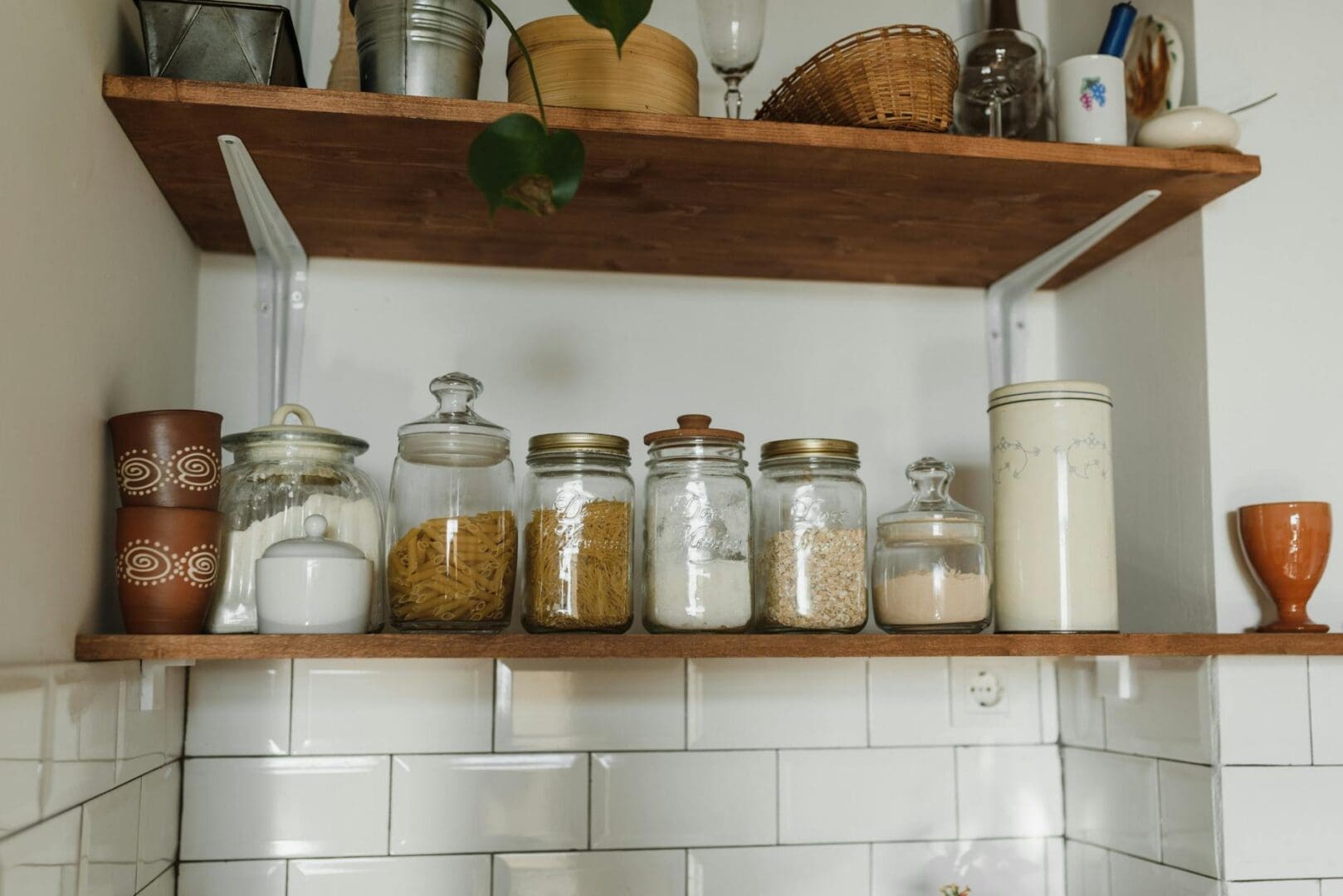
A cluttered kitchen makes everything harder—meal prep takes longer, you can’t find what you need, and countertops disappear under piles of stuff. The good news? You don’t need a complete renovation or expensive custom cabinets to get your kitchen under control. With some strategic organizing products and a bit of planning, you can create a kitchen that actually works for you without spending a fortune.
Start With What You Already Have
Before buying anything, take stock of your existing storage. Empty one cabinet or drawer at a time, purge what you don’t use, and think about how to better arrange what stays. You’d be surprised how much space you can reclaim just by getting rid of duplicate utensils, expired spices, and those plastic containers with missing lids.
Once you’ve decluttered, measure your spaces. Cabinet heights, drawer depths, and shelf widths matter when you’re shopping for organizers. A $15 drawer divider is only a bargain if it actually fits your drawers. Keep these measurements in your phone so you have them handy when you’re browsing.
Smart Storage Solutions Under $50
The most impactful kitchen organizers tend to be the simplest ones. Drawer dividers transform chaotic utensil drawers for $10-25, depending on whether you choose bamboo, plastic, or expandable metal versions. Bamboo options look nicer and last longer, while expandable dividers work when drawer sizes are awkward.
Stackable can organizers are genuinely life-changing and typically cost $15-30 for a set. They work in both cabinets and pantries, making it easy to see what you have while doubling your vertical storage space. Look for ones with an angled design so you can read labels at a glance.
Lazy Susans aren’t just for your grandmother’s table—they’re perfect for corner cabinets and deep pantry shelves. A good two-tiered turntable runs $20-35 and means you’ll actually use those bottles and jars hiding in the back. Corner cabinet pull-out organizers cost a bit more at $30-50, but they’re worth it if you have those frustrating blind corner cabinets.
Under-shelf baskets slip onto existing shelves to create bonus storage for things like coffee mugs, plastic wrap, or snack bags. At $8-15 each, they’re one of the cheapest ways to add cabinet space. Over-the-door organizers offer similar value for pantry doors, holding everything from spices to cleaning supplies for around $15-25.
Maximize Vertical and Unused Space
Most kitchens have tons of wasted vertical space. Tension rods installed vertically in cabinets create slots for baking sheets, cutting boards, and pan lids—and they cost less than $10. Adhesive hooks inside cabinet doors hold measuring cups, pot holders, or bags. A pack of quality hooks runs $8-12 and requires no tools.
Wall-mounted magnetic knife strips ($15-30) free up counter and drawer space while keeping knives safer and more accessible. Pegboards are having a moment for good reason—a small board with hooks costs $20-40 and can organize everything from pots to utensils to mugs, all while looking intentionally stylish.
If you have any open wall space, consider floating shelves for frequently used items. Budget-friendly options start around $15-25 per shelf, and they make your kitchen feel more open than adding more closed cabinets would. Just keep them organized, or they’ll add to visual clutter instead of solving it.
The Container Store Doesn’t Have to Be Your Only Stop
While specialized kitchen stores have beautiful organizing systems, you’ll find comparable products for less at home goods stores, big-box retailers, and online. Dollar stores carry perfectly functional drawer organizers, lazy Susans, and bins for a fraction of specialty store prices. Thrift stores often have unused organizers, and Facebook Marketplace is great for cabinet inserts people bought but never installed.
Clear plastic bins might not be glamorous, but they’re incredibly versatile and cheap—usually $3-8 depending on size. Use them to corral snacks in the pantry, group baking supplies, or contain small appliances under the sink. Square or rectangular shapes use space more efficiently than round ones.
Getting your kitchen organized doesn’t require a huge investment—just thoughtful choices about what will actually solve your specific storage problems. Start with your biggest pain points, measure carefully, and add organizers gradually as you figure out what works. A $100 budget can completely transform how your kitchen functions, and you’ll wonder why you lived with the chaos for so long. Take it one drawer or cabinet at a time, and you’ll have an organized kitchen before you know it.
You need more storage in your living room, but a bulky bookcase feels too heavy and floating shelves aren’t cutting it. A credenza might be exactly what you’re looking for—it’s that low-profile cabinet that gives you tons of hidden storage while creating a beautiful surface for lamps, plants, and the things you actually want to […]
If you’ve been hitting snooze repeatedly or dragging yourself out of bed feeling groggy, you’re not alone. Waking up to a jarring alarm in a dark room works against your body’s natural rhythms, especially during winter months. A sunrise alarm clock mimics natural dawn, gradually filling your room with light to ease you awake. But […]
Waking up at 3 a.m. with a sweaty neck and flipping your pillow to the cool side for the fourth time isn’t just annoying—it’s robbing you of quality sleep. If you’re a hot sleeper, your pillow might be trapping heat against your head and neck all night long. The good news? The right cooling pillow […]