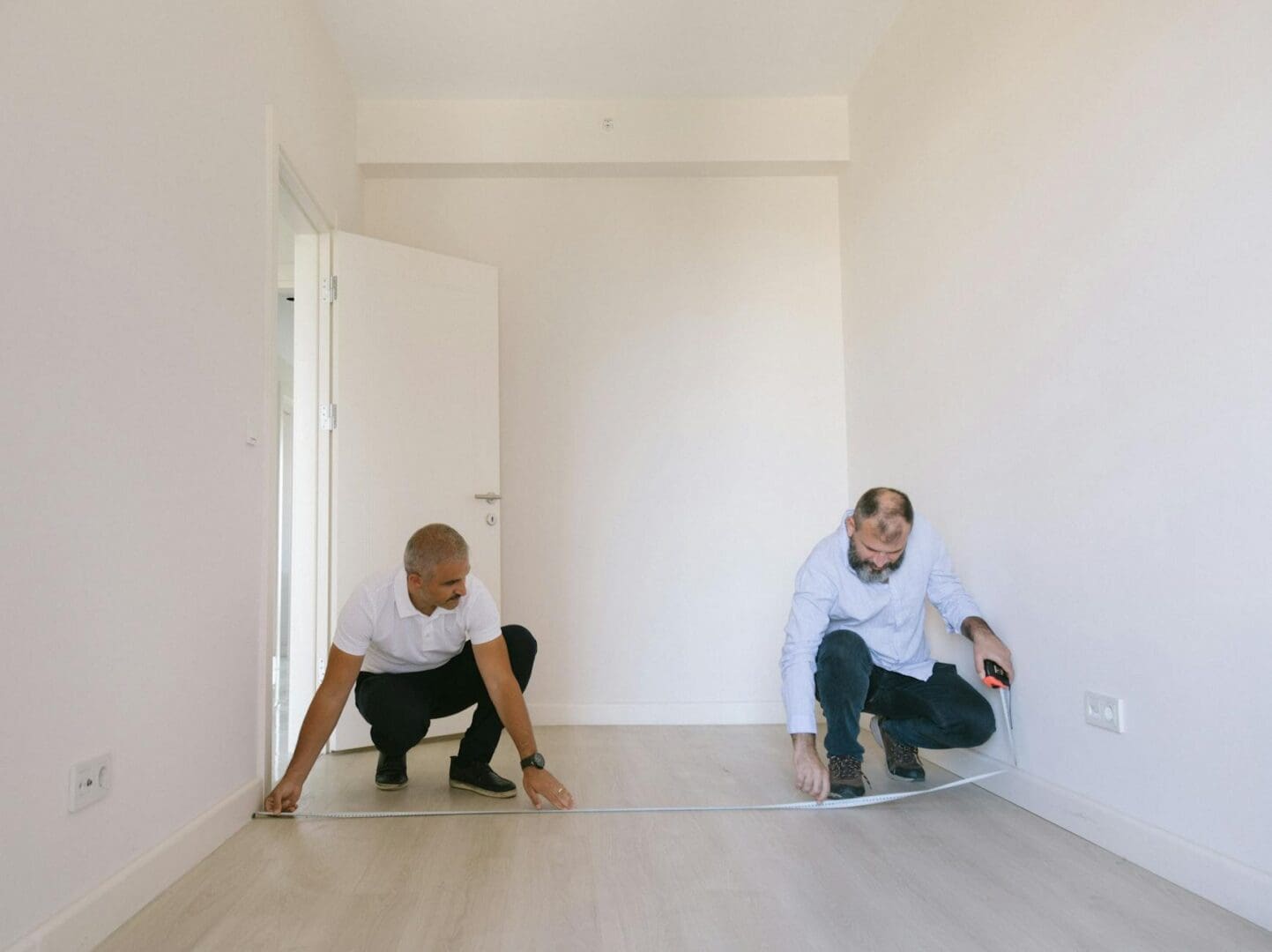
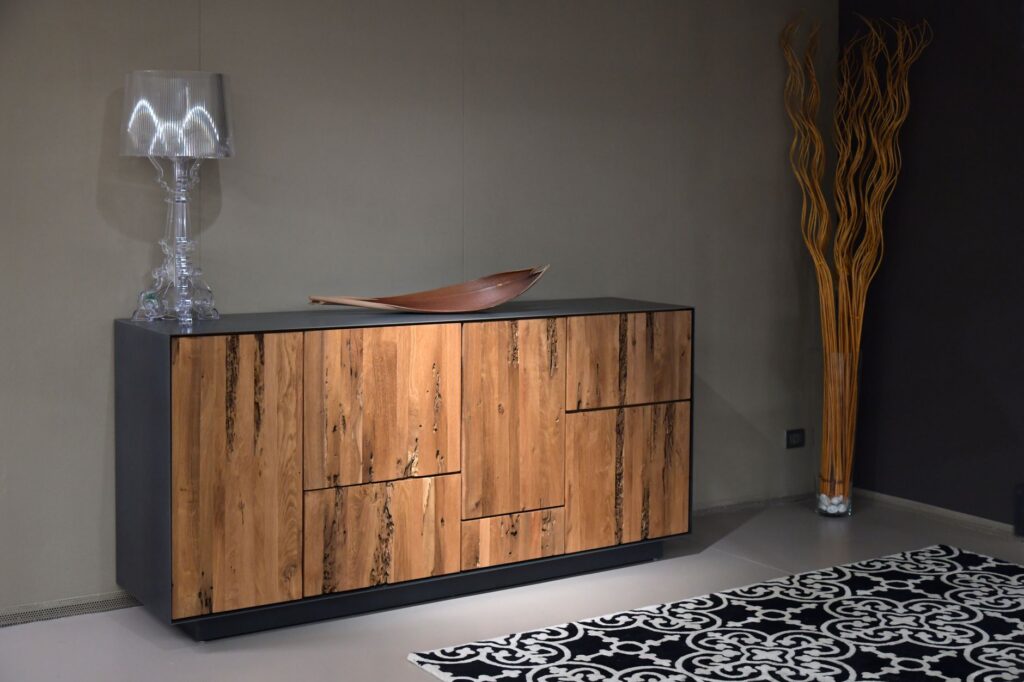
We’ve all been there: you fall in love with a sofa online or at the showroom, bring it home, and discover it completely overwhelms your living room. Or worse, it won’t even fit through the doorway. Taking accurate measurements before you shop saves you from expensive returns, restocking fees, and that sinking feeling of a furniture mistake.
Measuring your room properly takes about 15 minutes and a few simple tools, but it makes all the difference between furniture that feels custom-made for your space and pieces that just don’t work.
The Essential Measurements You Actually Need
Start with the basics: measure your room’s length and width at the widest points, then note the ceiling height. But here’s what most people miss—you also need to measure doorways, hallways, and staircases that furniture will travel through to reach the room. That gorgeous sectional might fit perfectly in your living room but never make it past your 32-inch front door.
For each doorway and hallway, measure both the width and height. For staircases, note the width between railings and measure any tight turns or landings. Professional furniture movers use a general rule: you need at least 2-3 inches of clearance on all sides of a piece to maneuver it safely.
Don’t forget windows, radiators, electrical outlets, and light switches. Mark these on your floor plan because they’ll affect furniture placement more than you’d think. A beautiful entertainment center loses its appeal when it blocks your only outlets or covers a heating vent.
Creating a Workable Floor Plan
Sketch a simple floor plan on graph paper or use a free online room planner tool. You don’t need artistic talent—just accuracy. Use a scale like 1 inch equals 1 foot, and mark permanent fixtures like windows, doors (including their swing direction), closets, and built-ins.
Here’s a helpful trick: use painter’s tape on your actual floor to map out where furniture will go. A sofa is typically 36-40 inches deep and 72-96 inches long, while standard coffee tables run 48-54 inches long. Seeing these dimensions in real space helps you understand traffic flow in a way that numbers on paper simply can’t.
Leave at least 30 inches for major walkways and 18 inches for secondary paths between furniture pieces. For dining areas, add 36-42 inches around the table so chairs can pull out comfortably. These breathing room measurements prevent that cramped, obstacle-course feeling.
Measuring for Specific Furniture Pieces
Each type of furniture has its own measuring considerations. For sofas and sectionals, measure the wall space and then subtract 6-12 inches to avoid a wall-to-wall look that feels cramped. Note the sofa’s depth too—deeper sectionals (40+ inches) are wonderfully comfortable but can dominate smaller rooms.
For beds, remember you need space for nightstands (typically 20-30 inches wide) and at least 24 inches on each side to make the bed comfortably. At the foot, leave 36-40 inches for a clear path. A king bed in a 10×10 room technically fits, but you’ll barely have space to move around it.
When shopping for dining tables, measure your dining area and subtract 6 feet from both length and width to allow for chairs and movement. A table for six typically needs a space at least 10×10 feet, while eight-seaters work better in 10×14 foot areas.
The Tools That Make Measuring Easy
A 25-foot tape measure handles most room measuring jobs, but a laser measuring tool ($30-80) speeds things up considerably and improves accuracy. Many even connect to smartphone apps that store your measurements.
Keep a notebook dedicated to your measurements, or snap photos with your phone’s camera after labeling dimensions with painter’s tape. When you’re furniture shopping weeks later, you’ll be grateful you documented everything clearly rather than trying to remember if that wall was 86 or 96 inches.
Measuring your space thoroughly before shopping transforms furniture buying from guesswork into confidence. You’ll walk into showrooms or browse online knowing exactly what will work, what won’t, and why. That knowledge helps you make faster decisions and eliminates second-guessing after purchase. Take the time to measure now, and you’ll be enjoying perfectly proportioned furniture for years to come.
You need more storage in your living room, but a bulky bookcase feels too heavy and floating shelves aren’t cutting it. A credenza might be exactly what you’re looking for—it’s that low-profile cabinet that gives you tons of hidden storage while creating a beautiful surface for lamps, plants, and the things you actually want to […]
If you’ve been hitting snooze repeatedly or dragging yourself out of bed feeling groggy, you’re not alone. Waking up to a jarring alarm in a dark room works against your body’s natural rhythms, especially during winter months. A sunrise alarm clock mimics natural dawn, gradually filling your room with light to ease you awake. But […]
Waking up at 3 a.m. with a sweaty neck and flipping your pillow to the cool side for the fourth time isn’t just annoying—it’s robbing you of quality sleep. If you’re a hot sleeper, your pillow might be trapping heat against your head and neck all night long. The good news? The right cooling pillow […]