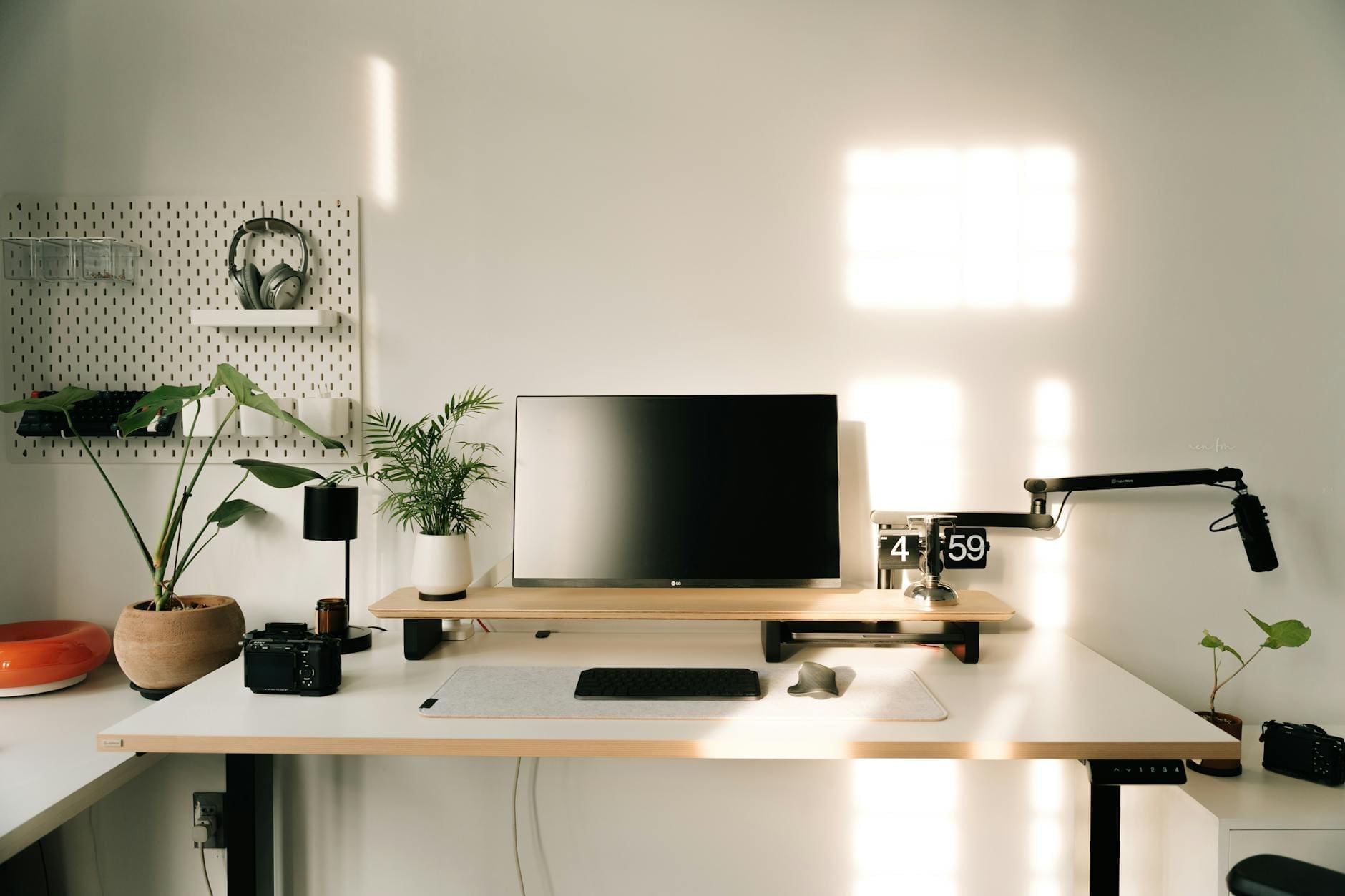
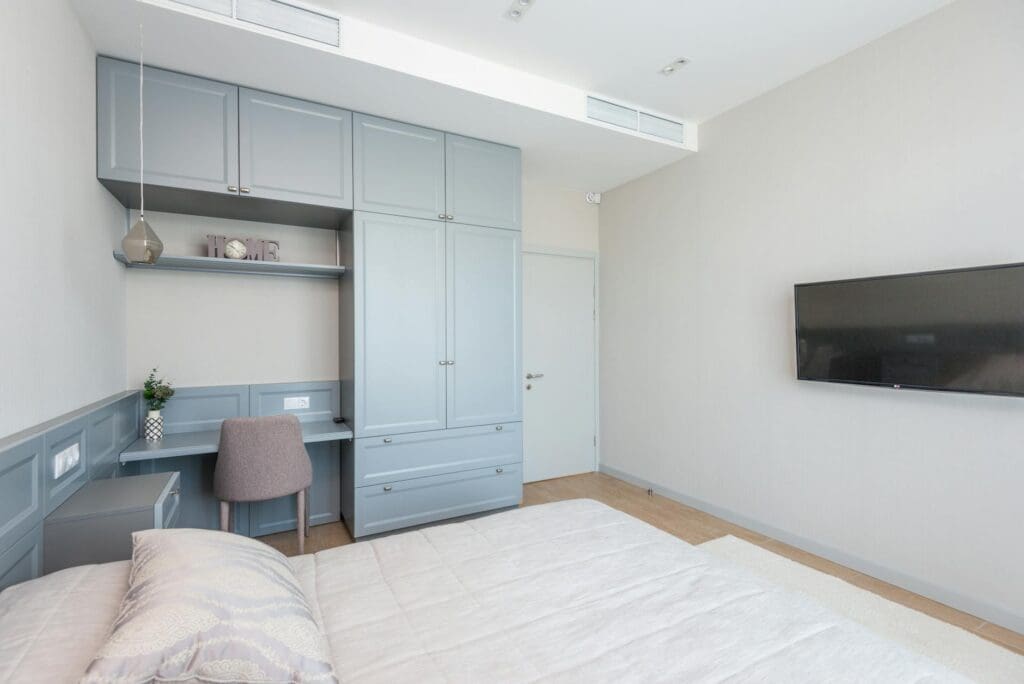
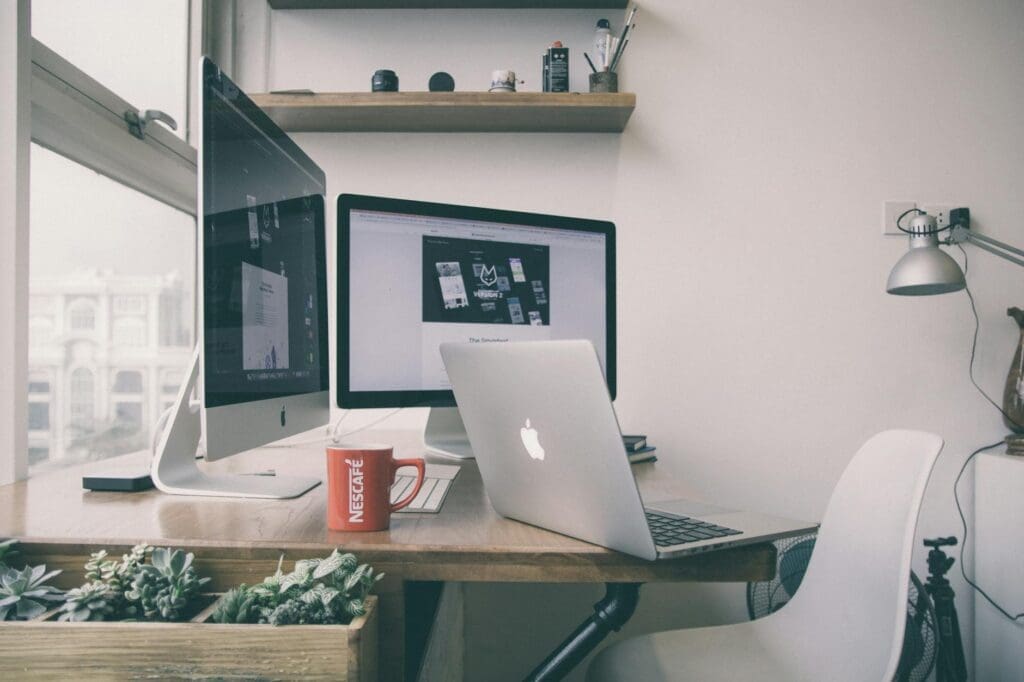
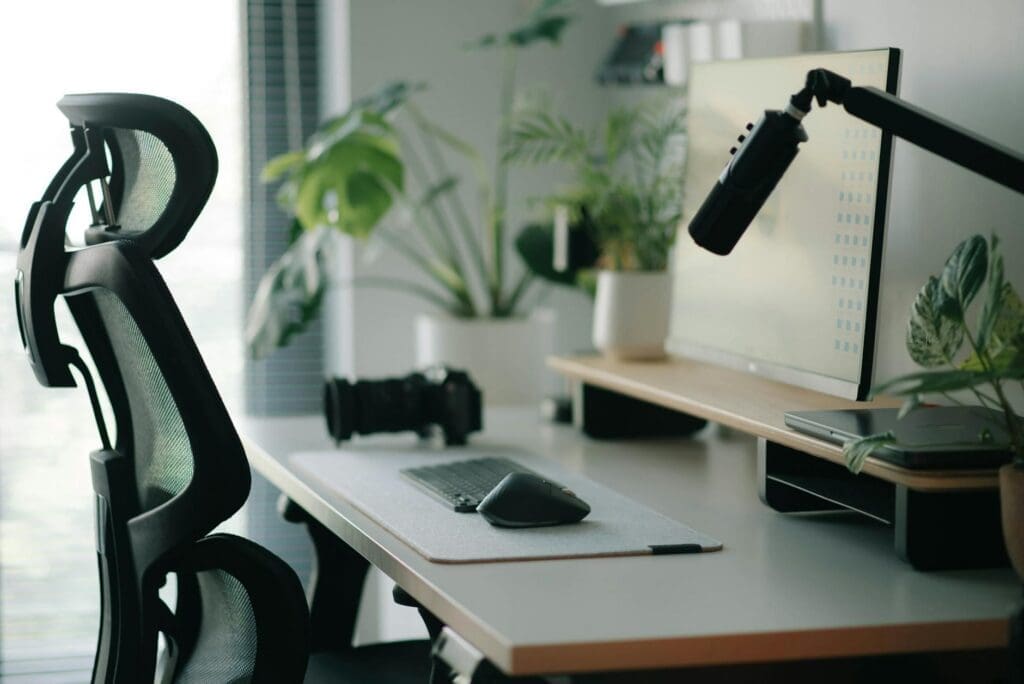
Your home office should be a productivity powerhouse, not a place where your eyes wander to unfolded laundry or your mind drifts to the dozen other things on your to-do list. The right furniture and decor choices can literally make or break your focus, and the difference between a space that energizes you versus one that scatters your attention often comes down to a few strategic decisions.
Choose Furniture That Faces the Right Direction
Where your desk faces matters more than you might think. Positioning your desk to face a wall might sound boring, but it’s one of the most effective ways to minimize visual distractions. If you face a window, you’ll find yourself watching birds, neighbors, or weather patterns instead of finishing that report. If you face into the room, every movement becomes a distraction.
Look for desks with built-in cable management and minimal surface area. A simple writing desk measuring 48-60 inches wide gives you enough workspace without becoming a clutter magnet. Budget-friendly options start around $150-$250, while solid wood desks with better construction run $400-$800. Wall-mounted floating desks work beautifully in smaller spaces and eliminate the visual weight of desk legs, keeping your sightline clean.
Your office chair deserves equal attention. A supportive task chair with adjustable height and lumbar support keeps physical discomfort from becoming a mental distraction. Expect to spend $200-$400 for a reliable mid-range chair that won’t have you shifting and fidgeting every twenty minutes.
Embrace Closed Storage Over Open Shelving
Open shelves look great on Pinterest, but they’re focus killers in a working office. Every book spine, decorative object, and visible item competes for your attention. Closed storage like filing cabinets, credenzas, and cabinets hide visual clutter behind doors, giving your eyes fewer places to wander.
A two-drawer filing cabinet tucked beside or under your desk keeps papers accessible but out of sight. Credenzas with cabinet doors work double duty as printer stands and supply storage, with prices ranging from $300 for basic laminate versions to $1,000+ for solid wood pieces. If you absolutely need some open storage, limit it to one small shelf and keep it styled minimally with just a plant and perhaps one meaningful object.
Desk organizers with lids or drawers also help. Instead of pencil cups where you can see every pen, opt for drawer inserts or desktop boxes that contain supplies without displaying them.
Select a Calming, Focused Color Palette
Your office walls and furniture colors directly impact your ability to concentrate. Bright, busy patterns and saturated colors create visual noise that pulls your attention. Instead, build your space around neutral foundations with intentional accent colors known to support focus.
Soft blues and greens have been shown to reduce stress and enhance concentration. Warm grays, taupes, and off-whites create calm backdrops that don’t compete with your work. If your existing furniture is dark wood, you’re already ahead—rich walnut and espresso tones ground a space without overwhelming it.
Keep artwork to a minimum and choose pieces with simple compositions rather than busy scenes. One large-scale abstract print in muted tones beats a gallery wall of varied images every time. Task lighting in warm white (2700-3000K) prevents the harsh, distracting quality of cool fluorescent tones while reducing eye strain.
Create Clear Boundaries and Zones
Even in a dedicated office, blurred boundaries create mental distractions. An area rug under your desk defines your workspace and psychologically separates “work zone” from the rest of your home. This is especially important in multipurpose rooms where your office shares space with guest bedrooms or craft areas.
Room dividers, bookcase partitions, or even a tall plant can create a visual barrier that signals “this is work space” to your brain. A simple three-panel folding screen runs $80-$200 and instantly sections off your desk area. If your office doubles as anything else, invest in furniture that conceals its office purpose—secretary desks that close up or armoires converted to computer workstations let you literally shut work away when you’re done.
The goal is creating a space so purposefully designed for focus that sitting down automatically shifts your brain into work mode. When every piece of furniture supports concentration rather than scattering it, productivity stops feeling like a battle. Start with one change—whether that’s rotating your desk, adding a filing cabinet, or repainting in a calmer color—and you’ll immediately feel the difference in your ability to settle in and get things done.
Your home office deserves better than a jumble of mismatched shelves and that filing cabinet you’ve been meaning to replace. A storage wall unit can transform your workspace from chaotic to composed, giving you dedicated spots for books, supplies, tech equipment, and all those things that currently live in piles. The trick is finding one […]
If you’re drowning in papers, sticky notes, and file folders that haven’t been touched in months, you’re not alone. The promise of a paper-free office isn’t just about going digital—it’s about choosing furniture and storage solutions that support a cleaner, more organized way of working. The right setup makes it easier to maintain that clutter-free […]
Your back is telling you it’s time. After months of working from home in a dining chair or that hand-me-down seat from college, you’re ready to invest in a proper office chair. The good news? You don’t need to spend $800 on a Herman Miller to get real ergonomic support. The under-$300 market is packed […]