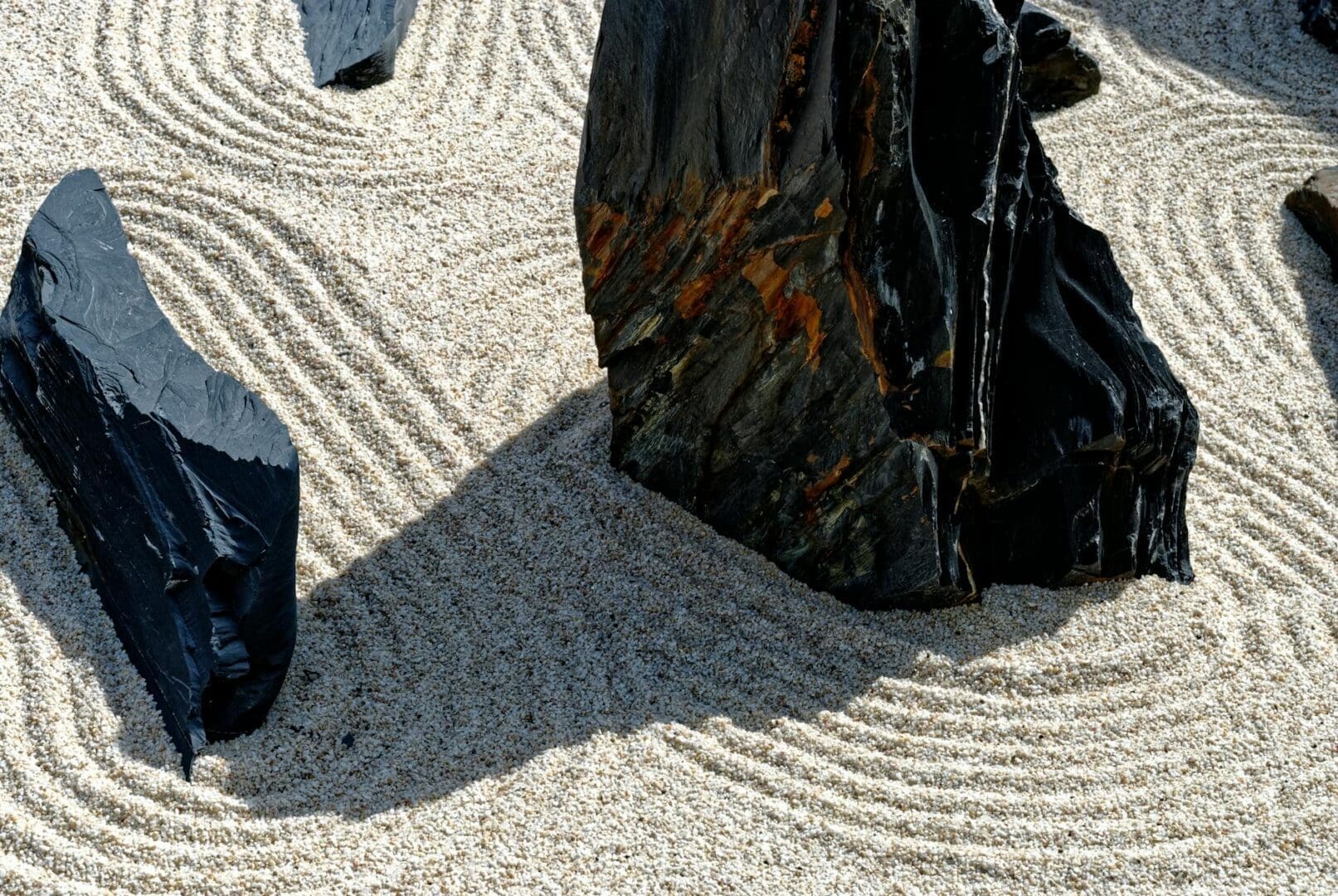
You’ve been dreaming of a peaceful outdoor retreat where you can escape the chaos of daily life, but professional landscaping quotes have probably made your jaw drop. Here’s the good news: creating a serene zen garden doesn’t require thousands of dollars or a complete yard overhaul. With thoughtful planning and strategic choices, you can build a meditative space that brings calm to your home without draining your savings.
Start With the Essential Elements
A true zen garden relies on simplicity, so you’ll actually need fewer elements than you might think. Focus your budget on these core components: gravel or sand for raking, a few carefully chosen rocks, and minimal plantings. You can create a complete zen garden for $200-500 if you’re working with a small space (think 6×8 feet or smaller), or $500-1,200 for a larger area.
The most important purchase is your base material. Pea gravel runs about $30-50 per cubic yard and is more affordable than traditional white sand, which can cost $50-80 per cubic yard. For budget-conscious gardeners, decomposed granite at $40-60 per cubic yard offers an authentic look while staying permeable for drainage. You’ll need to calculate your square footage and depth (aim for 2-3 inches) to determine how much to order.
Skip the expensive stone lanterns and water features initially. These decorative elements typically cost $100-500 each and aren’t essential to achieving that zen aesthetic. You can always add them later once your basic garden is established.
Source Rocks and Stones Strategically
Rocks are the sculptural anchors of your zen garden, but retail garden centers charge premium prices—often $150-400 for a single statement boulder. Instead, check these budget-friendly sources first:
Local stone yards or quarries where landscape-quality rocks cost 50-70% less than garden centers
Craigslist or Facebook Marketplace for free rocks from people doing landscape renovations
Construction sites (with permission) where large stones are often discarded
Your own property if you’re willing to dig—buried rocks are common in many yards
You only need 3-5 rocks of varying sizes to create visual interest. Look for weathered stones with interesting textures rather than perfectly smooth specimens. The irregular shapes often discarded by others work beautifully in zen design and cost next to nothing.
Choose Low-Maintenance Plants Wisely
While traditional Japanese gardens feature specific plant varieties, you can achieve the zen look with budget-friendly alternatives that thrive in your climate. Moss, which is iconic in zen gardens, costs $50-100 per tray covering 2-3 square feet. That’s pricey, but you can propagate your own by transplanting moss from shady areas of your yard or encouraging growth with buttermilk mixtures.
For vertical interest, skip expensive Japanese maples ($80-300) and consider these alternatives: ornamental grasses like maiden grass ($15-30), dwarf varieties of native evergreens ($25-50), or even strategic pruning of existing shrubs into cloud-like shapes. The key is restraint—three to five plants maximum keeps costs down and maintains that minimalist aesthetic.
Bamboo in containers ($30-60 per pot) adds authentic Asian garden style without the invasive spreading problems of in-ground planting. Just make sure the containers complement your overall design.
DIY the Finishing Touches
The beauty of zen design is that handmade elements often look more authentic than store-bought pieces. Create your own rake for the gravel using a piece of wood and nails or screws for about $10. Build a simple bamboo fence screen for $50-100 using bamboo poles from home improvement stores rather than purchasing pre-made panels at $150-300.
Edge your garden with repurposed materials—reclaimed bricks, concrete pavers, or even treated lumber—instead of buying specialized edging at $3-8 per linear foot. A defined border is essential to keep your gravel contained, but it doesn’t need to be expensive to be effective.
For seating, a large flat stone costs less than a decorative bench and feels more integrated into the design. Position it where you can sit and rake patterns into the gravel—that meditative practice is, after all, the heart of a zen garden.
Creating your zen garden is about embracing simplicity and working with what you have. Start with the foundational elements, source materials creatively, and resist the urge to over-decorate. Your budget-friendly sanctuary can deliver the same peace and contemplative beauty as expensive installations—sometimes the most meaningful spaces are the ones we build ourselves, stone by stone.
You need more storage in your living room, but a bulky bookcase feels too heavy and floating shelves aren’t cutting it. A credenza might be exactly what you’re looking for—it’s that low-profile cabinet that gives you tons of hidden storage while creating a beautiful surface for lamps, plants, and the things you actually want to […]
If you’ve been hitting snooze repeatedly or dragging yourself out of bed feeling groggy, you’re not alone. Waking up to a jarring alarm in a dark room works against your body’s natural rhythms, especially during winter months. A sunrise alarm clock mimics natural dawn, gradually filling your room with light to ease you awake. But […]
Waking up at 3 a.m. with a sweaty neck and flipping your pillow to the cool side for the fourth time isn’t just annoying—it’s robbing you of quality sleep. If you’re a hot sleeper, your pillow might be trapping heat against your head and neck all night long. The good news? The right cooling pillow […]