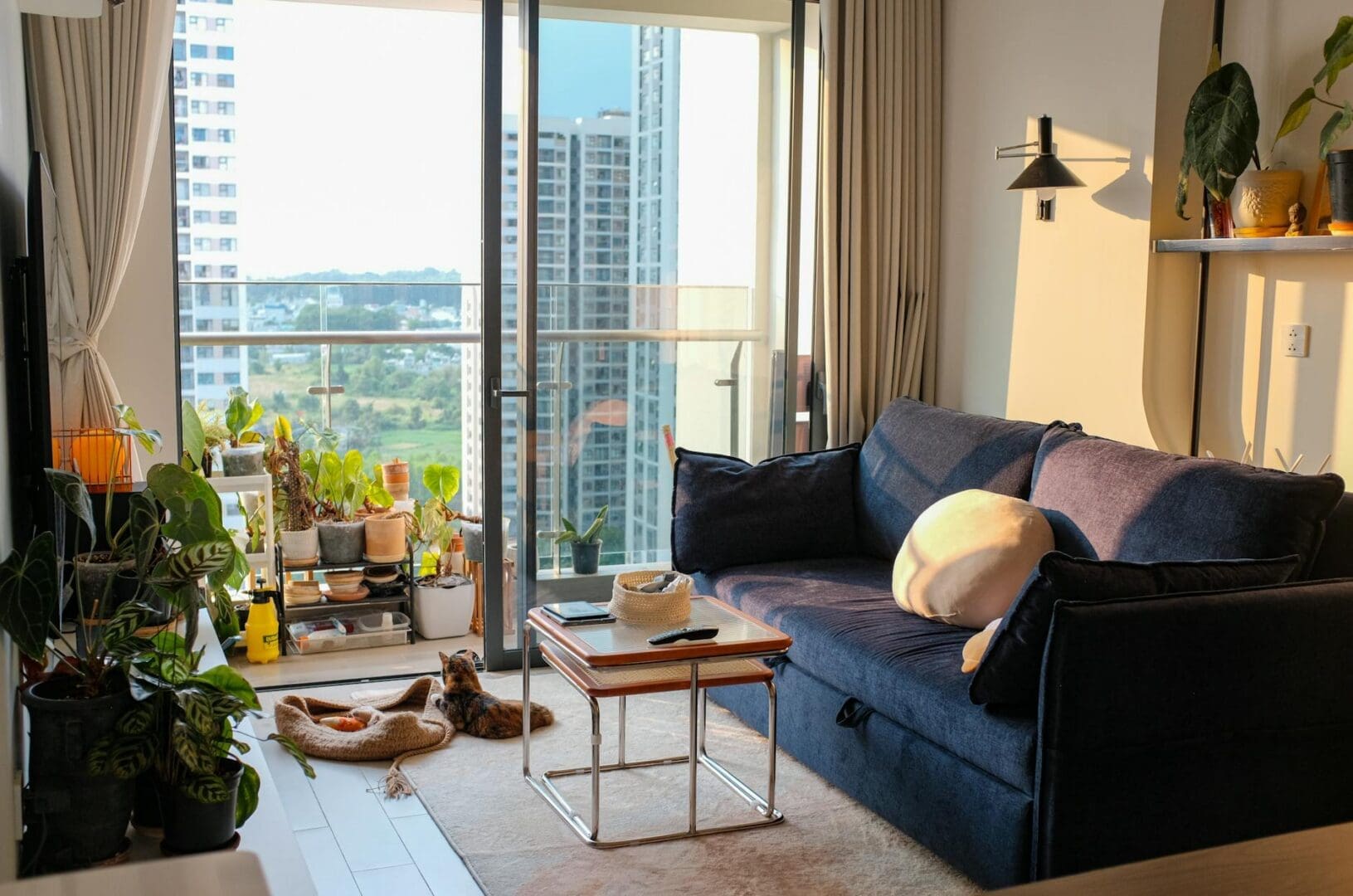
Love your pets but not the scratched furniture, fur-covered cushions, and mystery stains? You’re not alone. Creating a living room that accommodates four-legged family members while still looking put-together doesn’t mean sacrificing style or resigning yourself to plastic-covered couches. It just means making smarter choices about what you bring into your space.
Choose Fabrics That Can Take a Beating
When you share your living room with pets, fabric choice matters more than anything else. Skip the delicate velvets and light linens—they’ll show every paw print and claw snag within days.
Performance fabrics are your best friends here. Look for tightly woven materials like microfiber, canvas, and outdoor-grade upholstery fabrics. These resist scratching, repel moisture, and clean up easily when accidents happen. Many furniture retailers now offer Crypton or similar performance fabric treatments that create an invisible barrier against spills and pet odors.
Leather and faux leather also work surprisingly well with pets. While cats can scratch leather, it develops a lived-in patina rather than looking damaged. Dogs’ claws typically slide right off without catching. Darker colors and distressed finishes hide wear better than pristine light leather.
Pattern is your friend for hiding fur between vacuum sessions. Mid-tone tweeds, subtle geometric prints, and textured weaves camouflage stray hairs far better than solid colors. If you have a golden retriever, tan and brown tones will serve you better than navy; black lab owners should consider charcoal and darker patterns.
Pick Furniture Styles With Pets in Mind
Furniture structure affects how well it holds up to pet life. Sofas and chairs with exposed legs are easier to clean under than skirted pieces where pet hair and toys disappear into dark corners. You’ll appreciate this when you’re vacuuming or chasing down a missing squeaky toy.
Consider seat height too. Low-profile sofas invite pets to jump up (which they’ll do anyway), while higher beds and sofas might deter smaller or older dogs. If you’re training pets to stay off furniture, sleek modern pieces with less inviting cushions work better than deep, cozy sectionals.
Removable, washable cushion covers are non-negotiable if your pet shares the sofa. Some retailers offer furniture with zippered covers that you can toss in the washing machine. Budget options start around $600 for sofas with removable covers, while mid-range pieces ($1,200-$2,000) often include extra cover sets. It’s worth checking whether replacement covers are available before you buy.
Avoid anything with visible nailhead trim or decorative buttons at pet level—they’re tempting chew toys. Opt for clean-lined pieces with minimal embellishments instead.
Smart Storage and Layout Considerations
A pet-friendly living room needs dedicated storage for pet supplies. Baskets or ottomans with hidden storage keep toys corralled and your space looking intentional rather than overrun. Closed storage also protects your belongings from curious noses and wagging tails.
Think about traffic flow when arranging furniture. Pets need clear pathways to move through the room—blocked routes lead to pets jumping over furniture or knocking into side tables. Leave enough space between pieces for your largest pet to walk comfortably.
If you’re dealing with shedding, choose coffee tables and side tables that are easy to wipe clean. Glass, metal, and sealed wood surfaces beat unfinished wood or rattan every time. Save the delicate accent pieces for higher shelves where paws can’t reach.
Finishing Touches That Make Life Easier
Area rugs in living rooms with pets should be indoor-outdoor rugs or flatweaves rather than high-pile options that trap fur and odors. These typically run $150-$400 for an 8×10 and clean with a hose if needed. Layer smaller, washable rugs over larger jute or sisal pieces for easy maintenance.
Window treatments matter too. Cordless cellular shades or simple curtain panels that hang above pet height prevent tangling and chewing. If your dog loves window watching, consider keeping lower windows clear or using café-style half curtains.
The good news? Creating a pet-friendly living room doesn’t mean compromising on the look you want. It just means being strategic about materials and maintenance. When you choose furniture that’s built to handle real life—pets included—you’ll actually relax and enjoy your space instead of constantly worrying about the next scratch or stain.
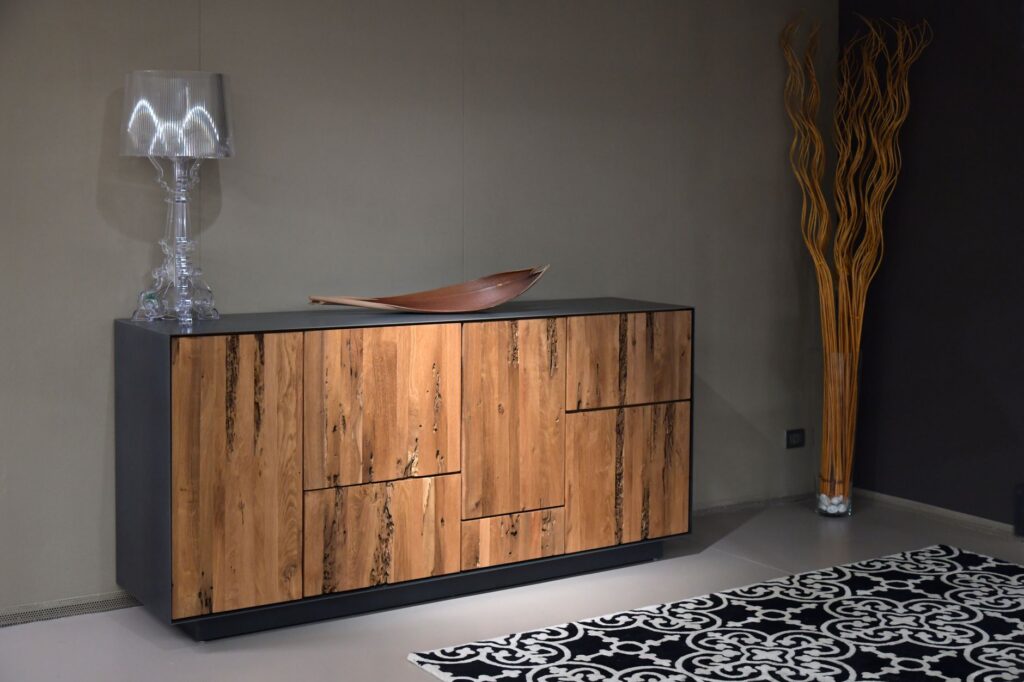
You need more storage in your living room, but a bulky bookcase feels too heavy and floating shelves aren’t cutting it. A credenza might be exactly what you’re looking for—it’s that low-profile cabinet that gives you tons of hidden storage while creating a beautiful surface for lamps, plants, and the things you actually want to […]
If you’ve been hitting snooze repeatedly or dragging yourself out of bed feeling groggy, you’re not alone. Waking up to a jarring alarm in a dark room works against your body’s natural rhythms, especially during winter months. A sunrise alarm clock mimics natural dawn, gradually filling your room with light to ease you awake. But […]
Waking up at 3 a.m. with a sweaty neck and flipping your pillow to the cool side for the fourth time isn’t just annoying—it’s robbing you of quality sleep. If you’re a hot sleeper, your pillow might be trapping heat against your head and neck all night long. The good news? The right cooling pillow […]