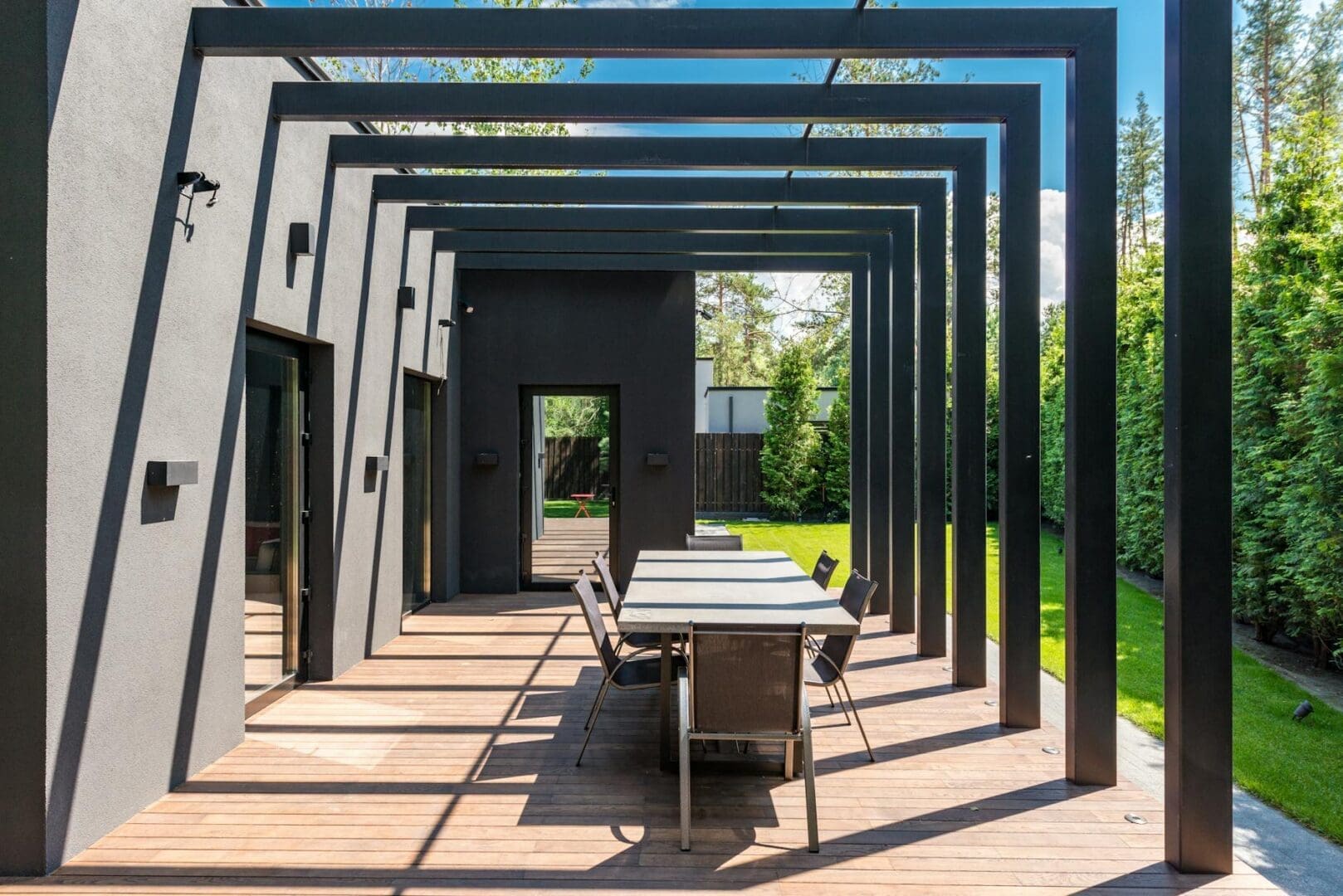
Your outdoor space has serious potential beyond hosting the occasional cookout. With the right furniture and layout, that deck or patio can become a true extension of your home—a place where you actually want to spend your mornings with coffee or evenings unwinding. The key is treating it like an actual room, not just a spot to store a few mismatched chairs.
Start With a Weather-Resistant Seating Arrangement
Just like your indoor living room, your outdoor space needs comfortable seating that encourages people to actually sit and stay awhile. A sectional designed for outdoor use creates the same cozy conversation area you’d have inside, while individual lounge chairs and loveseats offer more flexibility if you’re working with a smaller footprint.
Look for frames made from materials that can handle the elements: aluminum and powder-coated steel resist rust, while high-quality resin wicker gives you that natural look without the maintenance headaches of actual wicker. Teak and eucalyptus are solid choices if you prefer wood, though they’ll develop a gray patina over time unless you treat them regularly.
Cushions make or break comfort levels. Solution-dyed acrylic fabrics dry quickly and resist fading far better than regular outdoor fabric. Budget-friendly outdoor sectionals start around $800-$1,200, mid-range options with better cushions and construction run $1,500-$3,000, and high-end teak or designer pieces can easily reach $4,000-$8,000.
Define the Space With an Outdoor Rug and Coffee Table
An outdoor rug does more than tie your color scheme together—it actually defines the boundaries of your living area and makes the whole setup feel intentional. Polypropylene rugs handle moisture well and come in endless patterns, while natural fiber options like jute add texture but need more protection from rain.
Your coffee table serves the same purpose it does indoors: a place for drinks, books, and putting your feet up. Look for materials that won’t warp or rust. Aluminum, concrete, and all-weather wicker are reliable performers. Tables with slatted tops allow water to drain through rather than pooling. Glass tops work beautifully but need frequent cleaning in dusty or pollen-heavy areas.
Think about storage, too. Coffee tables with hidden compartments keep outdoor pillows, blankets, and citronella candles close at hand but protected when not in use.
Add Lighting for Ambiance and Function
Good lighting extends your outdoor living room’s usability well past sunset. Layer different sources just like you would indoors: overhead lighting for general visibility, task lighting for reading or dining, and ambient lighting for atmosphere.
String lights create instant coziness and come in solar, plug-in, and battery-powered versions. For more permanent installations, consider wall sconces flanking a seating area or a statement pendant light if you have a covered porch. Portable LED lanterns offer flexibility—move them where you need light, then bring them in during storms.
Floor lamps and table lamps designed for outdoor use bring that indoor comfort level outside. Just make sure anything that plugs in is rated for wet or damp locations depending on your setup’s exposure level. Solar path lights around the perimeter add safety without running electrical.
Consider Shelter and Privacy
The best outdoor living rooms offer some protection from sun, wind, or nosy neighbors. A pergola with a retractable canopy gives you control over shade levels, while a permanent roof means you can use the space even during light rain. Umbrellas are the budget-friendly option and work great for smaller areas.
Outdoor curtains soften hard architectural lines and add privacy without blocking airflow completely. Look for fade-resistant, water-repellent fabrics that can handle getting wet. Outdoor privacy screens and tall planters with grasses or bamboo create natural barriers that feel less fortress-like than solid walls.
Side tables placed strategically near each seat ensure everyone has a spot for their drink. Fire pits or tabletop fire bowls add warmth and become natural gathering points on cooler evenings.
Creating an outdoor living room really comes down to using the same principles that make indoor spaces comfortable: good seating, proper lighting, and thoughtful details that make the space feel finished. Start with the furniture that fits your space and budget, then layer in the elements that extend your season and make you want to be out there. Your outdoor space is valuable real estate—treat it that way.
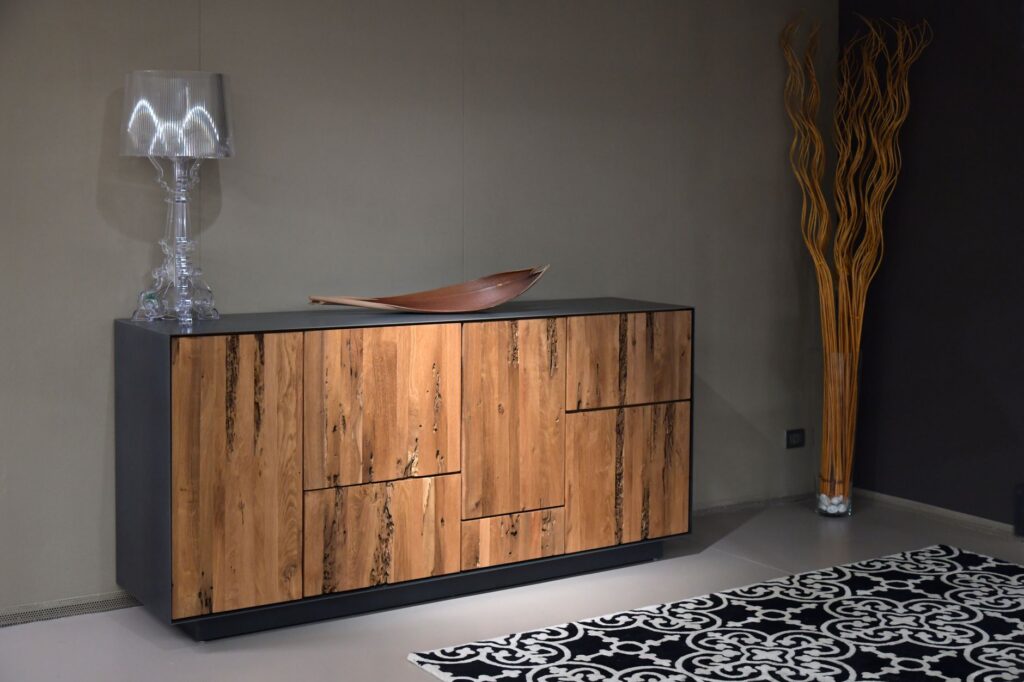
You need more storage in your living room, but a bulky bookcase feels too heavy and floating shelves aren’t cutting it. A credenza might be exactly what you’re looking for—it’s that low-profile cabinet that gives you tons of hidden storage while creating a beautiful surface for lamps, plants, and the things you actually want to […]
If you’ve been hitting snooze repeatedly or dragging yourself out of bed feeling groggy, you’re not alone. Waking up to a jarring alarm in a dark room works against your body’s natural rhythms, especially during winter months. A sunrise alarm clock mimics natural dawn, gradually filling your room with light to ease you awake. But […]
Waking up at 3 a.m. with a sweaty neck and flipping your pillow to the cool side for the fourth time isn’t just annoying—it’s robbing you of quality sleep. If you’re a hot sleeper, your pillow might be trapping heat against your head and neck all night long. The good news? The right cooling pillow […]