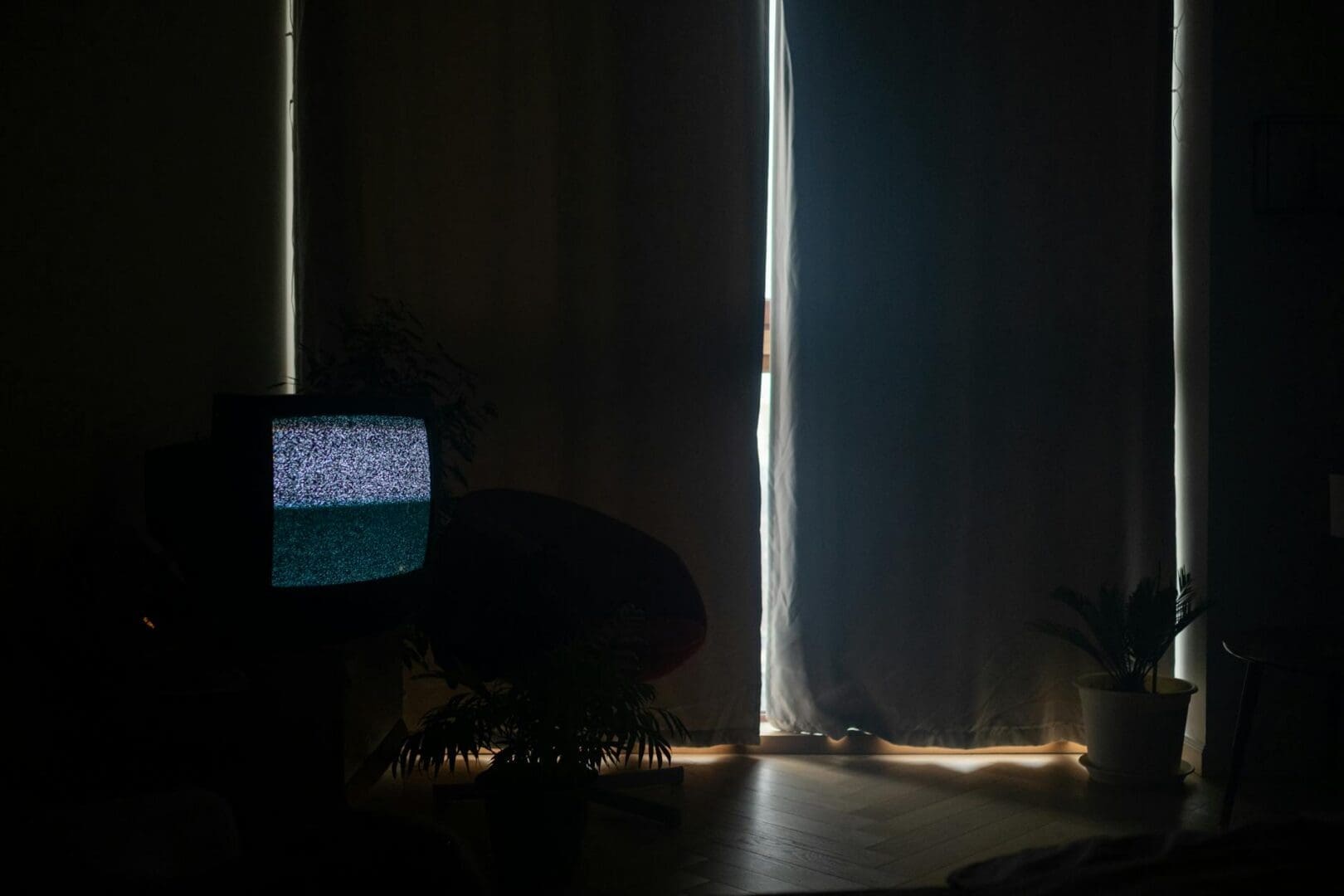
If you’re drawn to dramatic interiors but worried about making your living room feel like a cave, you’re not alone. Creating a moody living room is all about balancing rich, saturated colors with the right lighting, textures, and thoughtful placement. Done well, a dark room can feel incredibly sophisticated and cozy—the kind of space where you actually want to spend your evenings. Here’s how to pull it off without any regrets.
Choosing Your Color Foundation
The backbone of any moody living room is color, but “dark” doesn’t have to mean black. Deep charcoal, navy, forest green, burgundy, or even chocolate brown can set the tone beautifully. When picking your wall color, consider how much natural light you’re working with—rooms with larger windows can handle nearly black shades, while smaller spaces might do better with deep jewel tones that still reflect some light.
Your sofa is probably the largest piece in the room, so it’s worth getting this choice right. A velvet sofa in emerald, sapphire, or charcoal (budget options start around $800, while quality mid-range pieces run $1,500-3,000) immediately establishes that moody aesthetic. If you’re keeping a lighter sofa, balance it with dark accent chairs or a substantial coffee table in black or dark walnut. The key is committing to the mood—one or two dark pieces won’t create the effect you’re after.
Layering Lighting for Depth and Warmth
Here’s where most people get moody rooms wrong: they forget that dark colors absorb light, so you need more light sources, not fewer. Skip the single overhead fixture and instead layer multiple light sources at different heights. Think floor lamps with warm Edison bulbs, table lamps with fabric shades that diffuse light softly, and wall sconces that create ambient glow.
A statement chandelier or pendant light can serve as both a light source and a focal point—look for fixtures in brass, aged bronze, or matte black finishes that complement the room’s drama. Budget-friendly options start around $150, while designer pieces can run $500-1,500. Dimmer switches are non-negotiable here; they let you control the intensity and truly dial in that moody atmosphere. And don’t underestimate the power of candles—clusters of pillar candles on your coffee table or mantel add flickering warmth that no electric light can match.
Texture Is Your Secret Weapon
In a room built around dark colors, texture becomes crucial for adding visual interest and preventing everything from blending into one flat surface. Mix materials liberally: a chunky knit throw draped over your sofa, leather ottomans, a shagg or high-pile area rug, linen curtains, and velvet pillows all catch light differently and create depth.
Your area rug deserves special attention. A dark rug grounds the space, but look for one with subtle pattern variations or a mix of textures—think distressed Persian styles or modern abstract designs with tonal shifts. Expect to spend $200-500 for a quality 8×10 synthetic rug, or $800-2,000 for wool or natural fiber options. Wood elements, whether a reclaimed coffee table or floating shelves in dark walnut, add organic warmth that keeps moody from feeling cold or sterile.
Balancing Dark with Strategic Contrast
An entirely dark room can feel oppressive, so you need moments of contrast to give your eyes a place to rest. This doesn’t mean going light—it means being intentional about where you place lighter or reflective elements. A large mirror with an ornate frame reflects light and creates the illusion of more space. Metallic accents in brass, copper, or brushed gold catch and bounce light around the room.
Your artwork and accessories provide perfect opportunities for contrast. Black-and-white photography, abstract art with lighter elements, or even a gallery wall with white matting can break up dark walls without disrupting the overall mood. Live plants, particularly large-leafed varieties like fiddle leaf figs or monstera, add organic shapes and subtle color variation that feels natural rather than forced.
Creating a moody living room requires commitment and thoughtful planning, but the payoff is a space with genuine personality and atmosphere. Start with your color palette, invest in quality lighting, layer in varied textures, and don’t be afraid to go bold. Your living room should reflect how you actually want to feel when you’re home—and if that’s wrapped in rich, dramatic comfort, embrace it fully.
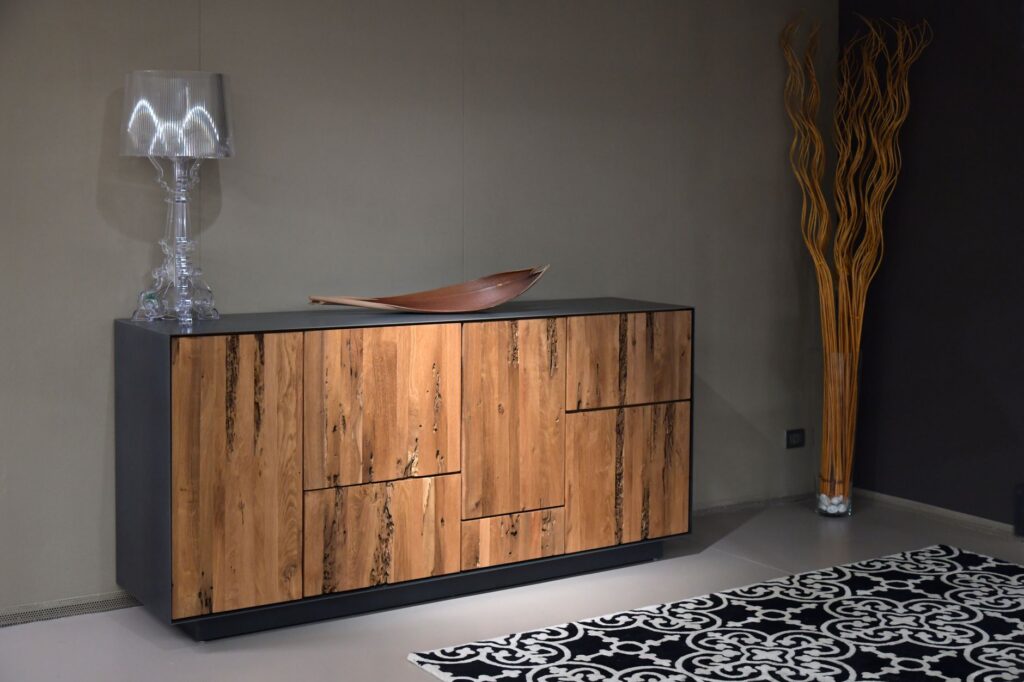
You need more storage in your living room, but a bulky bookcase feels too heavy and floating shelves aren’t cutting it. A credenza might be exactly what you’re looking for—it’s that low-profile cabinet that gives you tons of hidden storage while creating a beautiful surface for lamps, plants, and the things you actually want to […]
If you’ve been hitting snooze repeatedly or dragging yourself out of bed feeling groggy, you’re not alone. Waking up to a jarring alarm in a dark room works against your body’s natural rhythms, especially during winter months. A sunrise alarm clock mimics natural dawn, gradually filling your room with light to ease you awake. But […]
Waking up at 3 a.m. with a sweaty neck and flipping your pillow to the cool side for the fourth time isn’t just annoying—it’s robbing you of quality sleep. If you’re a hot sleeper, your pillow might be trapping heat against your head and neck all night long. The good news? The right cooling pillow […]