So you’ve decided to go TV-free in your living room. Maybe you want a space that encourages actual conversation, or perhaps you’re just tired of that black rectangle dominating your design choices. Whatever your reason, creating a living room without a television requires rethinking the traditional layout—and that’s where things get interesting.
Without the default focal point most rooms are built around, you’ll need to be more intentional about how the space functions and flows. The good news? A TV-free living room often ends up feeling more inviting, personal, and genuinely useful than its screen-centered counterpart.
Choose Your Focal Point First
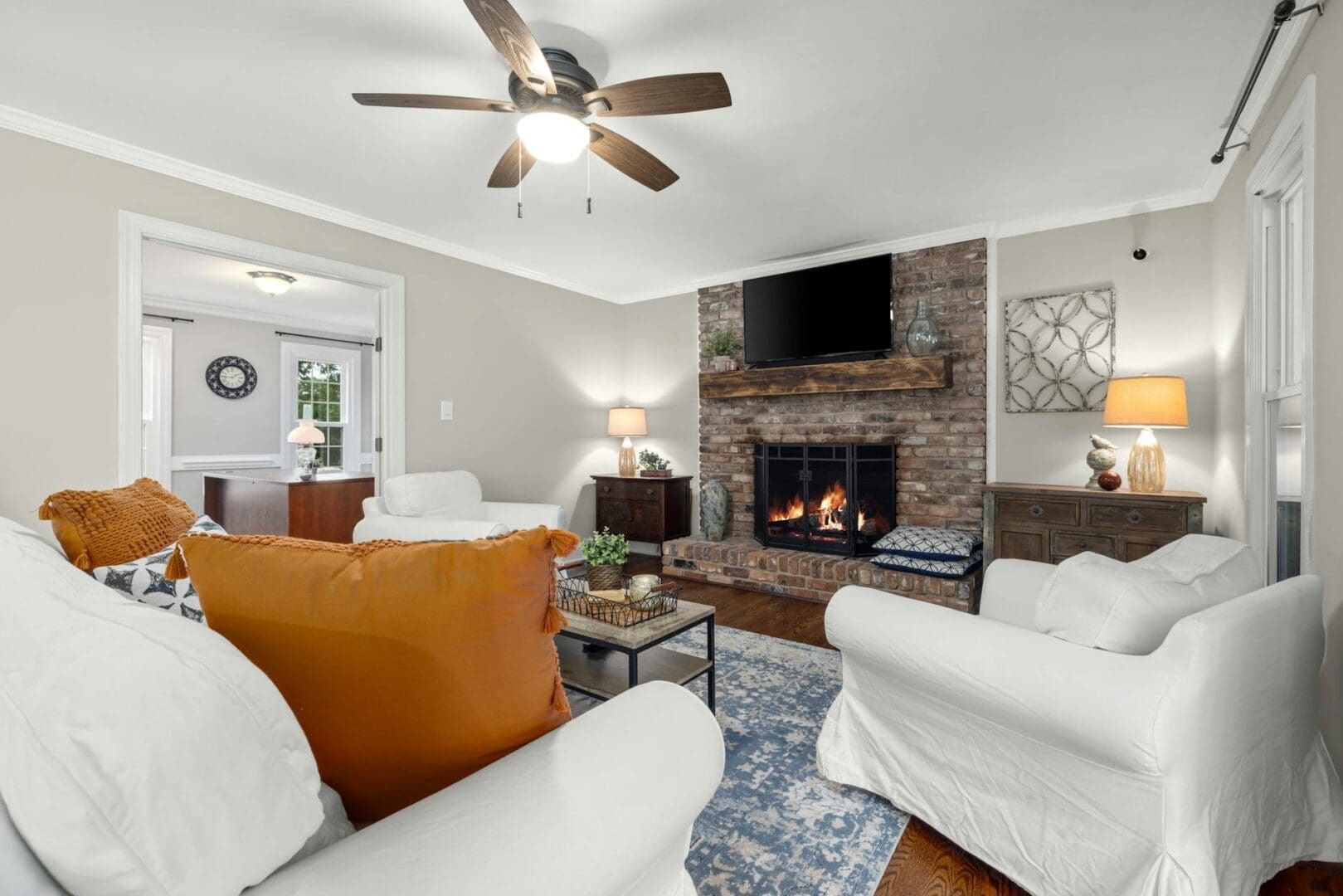
Every living room needs something to anchor it visually. In TV-free spaces, your best options are architectural features or statement furniture pieces. A fireplace is the classic choice—arrange seating in a U-shape or semicircle around it to create natural conversation zones. If you don’t have a fireplace, consider making a large window with a great view your centerpiece, or create one with a gallery wall, floor-to-ceiling bookshelves, or an oversized piece of art.
Statement furniture can also serve as your anchor. A beautiful console table styled with lamps, plants, and decorative objects works well, especially when hung with a large mirror or artwork above it. Budget options like a simple wood console run $200-400, while mid-range pieces with interesting details cost $500-900, and splurge-worthy antique or designer consoles can exceed $1,500.
Rethink Your Seating Arrangement
Without a TV dictating that everyone faces the same direction, you can create a much more social furniture layout. The key is arranging seating so people can easily see and talk to each other without craning their necks.
Try facing two sofas toward each other with a coffee table between them, or create an L-shape with a sofa and loveseat. Add a pair of accent chairs perpendicular to your sofa to form a conversation square. This arrangement feels natural in spaces 12×14 feet or larger. For smaller rooms under 10×12 feet, a single sofa with two chairs angled toward it works better and won’t overwhelm the space.
Make sure there’s no more than 8-10 feet between seating pieces—any more and conversation becomes difficult. Pull furniture away from walls by at least a few inches to create a cozier, more intentional feel.
Add Layers of Purpose and Interest
A TV-free living room needs to justify its existence with activities people actually want to do. Think about what will happen in this space and furnish accordingly.
If reading is your thing, position a comfortable chair near a window with a floor lamp and side table—creating a dedicated reading nook makes the space immediately more appealing. Music lovers might center the room around a piano, record player console, or quality speaker system. For game nights, include a coffee table or ottoman that’s the right height for board games, with nearby storage for your collection.
Bookshelves are particularly valuable in TV-free rooms, adding visual interest while serving a clear purpose. Built-ins start around $1,500-3,000 installed, while freestanding bookcases range from $150 for basic options to $800+ for solid wood units. Style them with a mix of books, decorative objects, and family photos to create depth and personality.
Light It Like You Mean It
Lighting becomes even more critical without the glow of a screen. You’ll want multiple light sources at different heights to create warmth and flexibility. Combine overhead lighting with table lamps on side tables, a floor lamp near reading areas, and perhaps wall sconces flanking your focal point.
Aim for warm-toned bulbs (2700-3000K) to make the space feel inviting in the evening. Dimmer switches are worth the installation cost—they let you adjust the mood for different activities, whether that’s bright light for reading or softer illumination for entertaining.
Your TV-free living room is really about creating a space that brings people together rather than directs everyone’s attention to a screen. By thoughtfully choosing a focal point, arranging furniture for conversation, adding purposeful elements, and lighting it well, you’ll end up with a room that feels both beautiful and genuinely lived-in. The layout might take a bit more planning than the standard sofa-facing-TV default, but the result is a space that reflects how you actually want to spend your time at home.
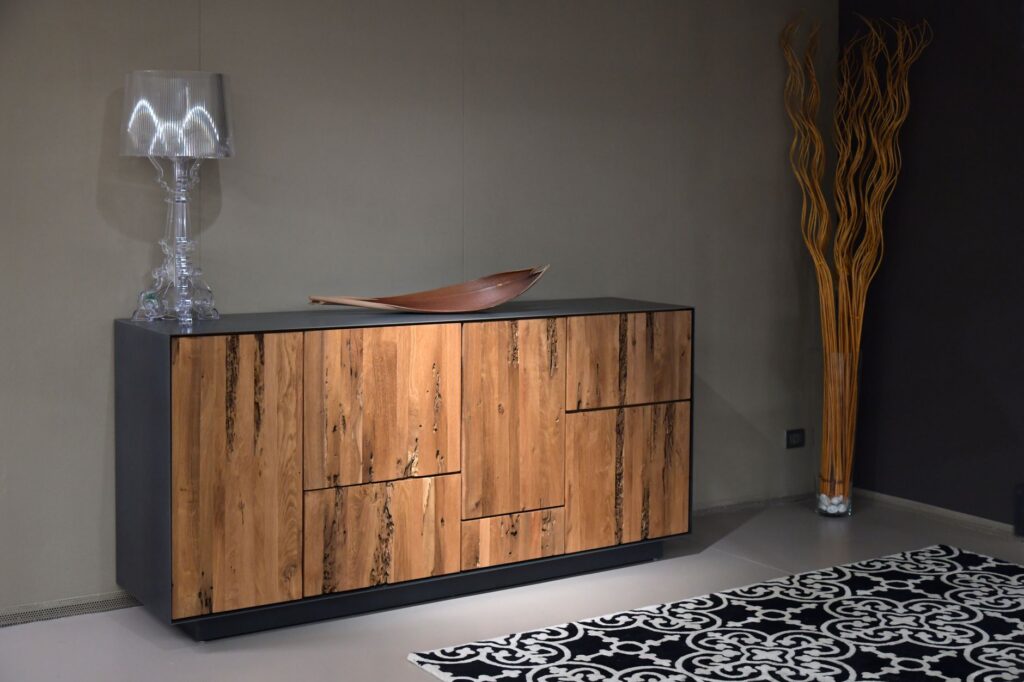
You need more storage in your living room, but a bulky bookcase feels too heavy and floating shelves aren’t cutting it. A credenza might be exactly what you’re looking for—it’s that low-profile cabinet that gives you tons of hidden storage while creating a beautiful surface for lamps, plants, and the things you actually want to […]
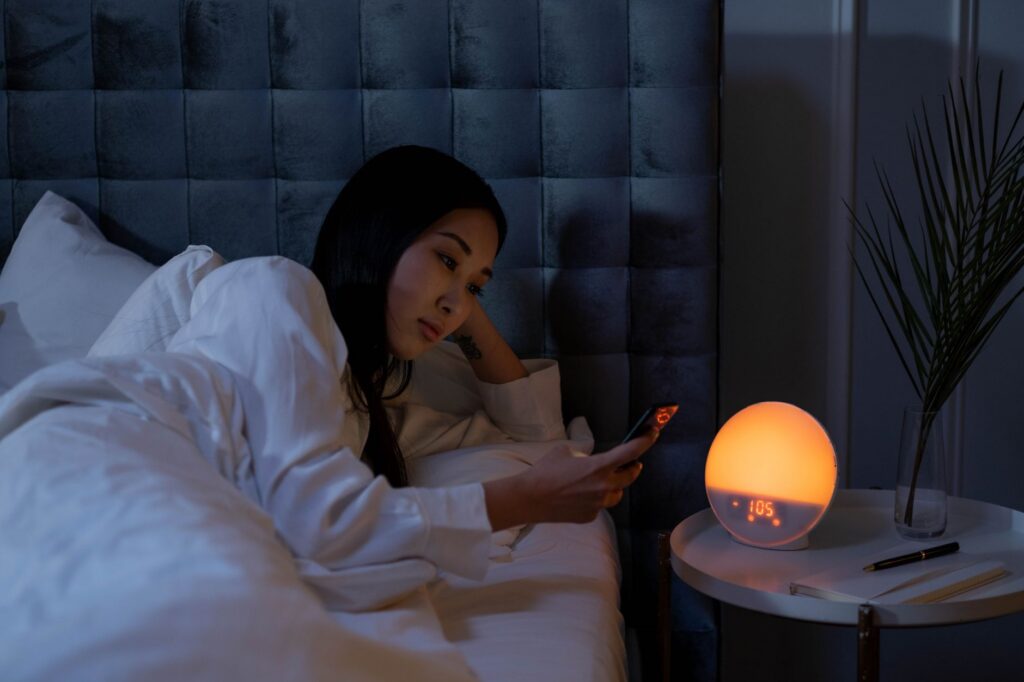
If you’ve been hitting snooze repeatedly or dragging yourself out of bed feeling groggy, you’re not alone. Waking up to a jarring alarm in a dark room works against your body’s natural rhythms, especially during winter months. A sunrise alarm clock mimics natural dawn, gradually filling your room with light to ease you awake. But […]
Waking up at 3 a.m. with a sweaty neck and flipping your pillow to the cool side for the fourth time isn’t just annoying—it’s robbing you of quality sleep. If you’re a hot sleeper, your pillow might be trapping heat against your head and neck all night long. The good news? The right cooling pillow […]