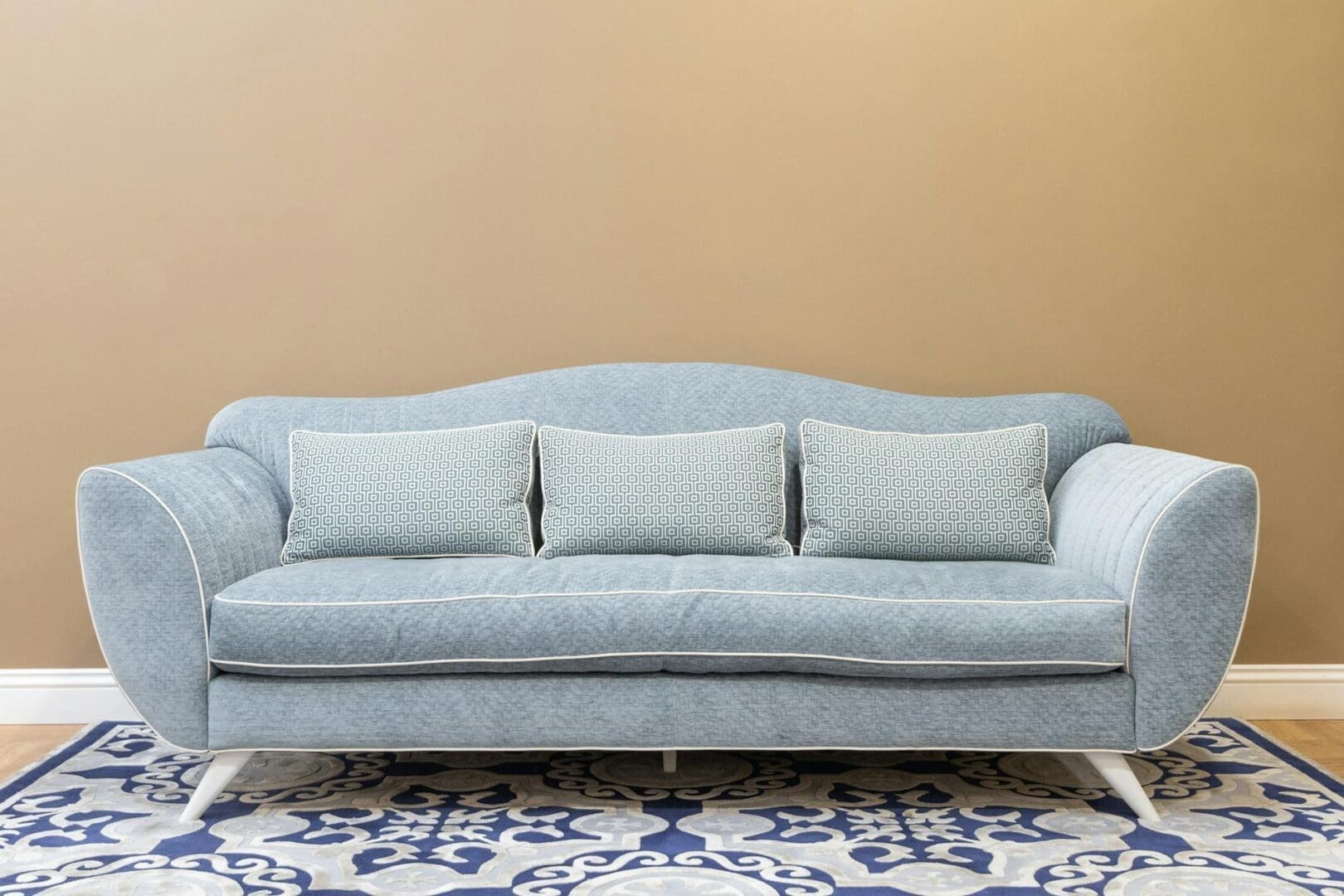
Your fabric sofa sees a lot of life—movie nights, weekend naps, pet snuggles, and the occasional spilled wine. Over time, even the most loved sofa starts showing dirt, stains, and that telltale dullness. The good news? You don’t need professional cleaners for regular maintenance. With the right approach and a few household supplies, you can refresh your fabric sofa and keep it looking great for years.
Check Your Sofa’s Cleaning Code First
Before you grab any cleaning products, flip up your sofa cushions and look for a tag with a cleaning code. This single letter tells you exactly what’s safe to use on your upholstery, and ignoring it can lead to permanent damage or voiding your warranty.
W: Water-based cleaners are safe. You can use most upholstery shampoos and steam cleaners.
S: Solvent-based cleaners only. Water will stain or damage the fabric, so stick with dry-cleaning solvents.
WS: Either water-based or solvent cleaners work. You’ve got the most flexibility here.
X: Vacuum only. No wet cleaning at all—professional cleaning is your best bet for deep stains.
If the tag is missing or illegible, test any cleaning solution on a hidden spot first, like the back panel or underneath a cushion. Wait 24 hours to check for discoloration or damage before proceeding.
Regular Maintenance: The Weekly Five-Minute Routine
The easiest way to keep your fabric sofa clean is preventing dirt from settling in the first place. Weekly vacuuming takes just a few minutes and makes a huge difference.
Use your vacuum’s upholstery attachment to go over all surfaces, including cushions, armrests, and that space where the back meets the seat where crumbs love to hide. For tufted or textured fabrics like chenille or velvet, use a soft brush attachment to avoid crushing the pile. Don’t forget to vacuum under removable cushions—you’d be amazed what collects down there.
Between vacuuming sessions, keep a lint roller handy for pet hair and surface dust. It’s especially effective on microfiber and other short-pile fabrics.
Spot Cleaning Stains the Right Way
When accidents happen, speed matters. The faster you treat a stain, the better your chances of removing it completely.
Start by blotting—never rubbing—the stain with a clean white cloth to absorb as much liquid as possible. Rubbing pushes the stain deeper into the fibers and can damage the fabric’s texture.
For water-safe fabrics (W or WS codes), mix a solution of one tablespoon of dish soap with two cups of warm water. Dip a clean cloth into the solution, wring it out well, and gently dab the stain from the outside edges toward the center. This prevents the stain from spreading. Follow up by blotting with a cloth dampened with plain water to remove soap residue, then blot dry with a towel.
For grease stains on any fabric type, sprinkle baking soda or cornstarch on the spot immediately. Let it sit for 15-20 minutes to absorb the oil, then vacuum it away before treating any remaining discoloration.
Avoid products with bleach or harsh chemicals unless specifically recommended for upholstery. Even “safe” cleaners should be tested in that hidden spot first.
Deep Cleaning Your Entire Sofa
Even with regular vacuuming and spot cleaning, your sofa benefits from a deep clean once or twice a year. This refreshes the fabric and removes built-up oils from skin contact.
For water-safe sofas, you have two main options. A handheld upholstery steam cleaner (ranging from $80 to $300) gives professional-level results at home. These machines inject cleaning solution into the fabric and extract it along with dirt. If you go this route, make multiple passes to remove as much moisture as possible—you want the sofa damp, not soaking wet.
Alternatively, use upholstery shampoo and a soft-bristled brush. Work in small sections, applying minimal moisture, and always brush in the direction of the fabric’s weave. After cleaning with either method, point a fan at the sofa to speed drying time and prevent mildew. The sofa should dry within 4-6 hours with good air circulation.
For solvent-only fabrics (S code), look for dry-cleaning upholstery kits at home improvement stores. These typically cost $10-$20 and include a solvent spray and absorbent cloths. Follow the instructions carefully and ensure good ventilation.
Keeping your fabric sofa clean doesn’t require special skills or expensive equipment—just consistency and the right techniques for your specific upholstery. Regular vacuuming prevents most problems, quick action on spills stops stains from setting, and an occasional deep clean brings back that fresh-from-the-showroom look. Your sofa is one of the hardest-working pieces in your home, and these simple maintenance steps will keep it comfortable and inviting for everyone who settles into it.
You need more storage in your living room, but a bulky bookcase feels too heavy and floating shelves aren’t cutting it. A credenza might be exactly what you’re looking for—it’s that low-profile cabinet that gives you tons of hidden storage while creating a beautiful surface for lamps, plants, and the things you actually want to […]
If you’ve been hitting snooze repeatedly or dragging yourself out of bed feeling groggy, you’re not alone. Waking up to a jarring alarm in a dark room works against your body’s natural rhythms, especially during winter months. A sunrise alarm clock mimics natural dawn, gradually filling your room with light to ease you awake. But […]
Waking up at 3 a.m. with a sweaty neck and flipping your pillow to the cool side for the fourth time isn’t just annoying—it’s robbing you of quality sleep. If you’re a hot sleeper, your pillow might be trapping heat against your head and neck all night long. The good news? The right cooling pillow […]