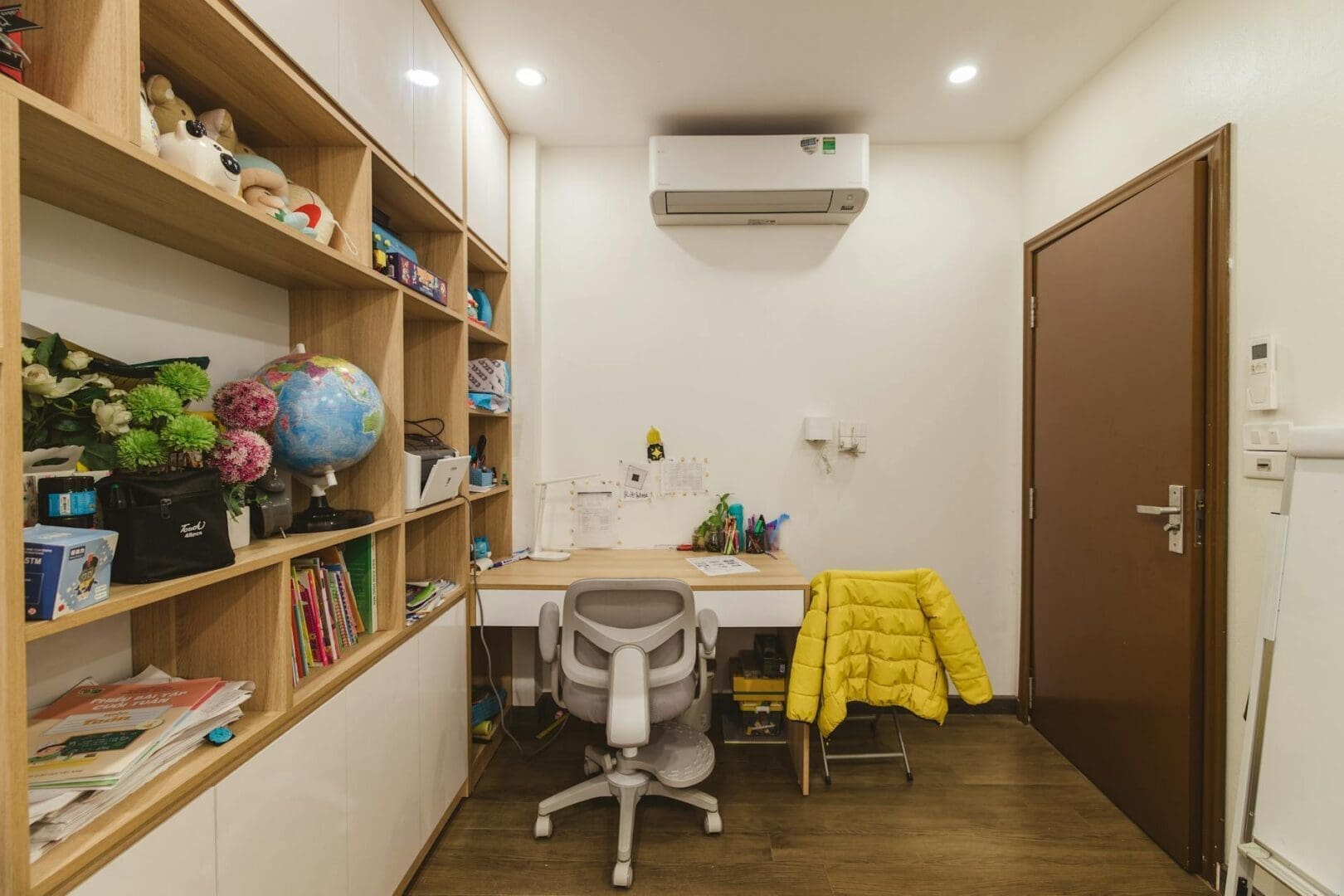
If you’re working from home and constantly jotting notes on random pieces of paper or relying solely on digital tools, you’re probably losing track of important ideas. A good whiteboard can be the command center for your home office—a place to visualize projects, track tasks, and keep crucial information right in your line of sight. But walk into any office supply store (or browse online) and you’ll face an overwhelming array of options. Let’s break down what actually matters when choosing one for your space.
Size and Space Considerations
The right whiteboard size depends entirely on how you’ll use it and where it’ll live. A 2×3-foot board works well for daily to-do lists and quick brainstorming sessions, fitting nicely above a desk or on a narrow wall. If you’re managing complex projects, tracking multiple timelines, or collaborating virtually with team members who need to see your board on camera, consider stepping up to 3×4 feet or larger.
Before you fall in love with a massive board, measure your wall space carefully. You’ll want at least 6 inches of clearance on each side for comfortable use, and make sure it’s positioned at eye level when you’re standing. Corner installations can be tricky—you’ll lose usable space where the boards meet. If your office is tight on wall space, consider a mobile whiteboard on a rolling stand that you can tuck away when not in use, or a smaller board that mounts to the side of a filing cabinet.
Surface Materials: Not All Whites Are Equal
This is where many people make costly mistakes. The writing surface determines how well your board performs over time, and the differences are significant.
Melamine boards are your budget option, typically running $30-80 depending on size. They work fine initially, but the porous surface absorbs ink over time, leading to ghosting (those faint marks that won’t erase completely) within 6-12 months of regular use. They’re fine for light, occasional use or temporary setups.
Porcelain or ceramic steel boards are the gold standard, priced between $150-500. The non-porous surface resists staining indefinitely, erases cleanly even after markers have sat for days, and can handle magnets strongly enough to hold multiple sheets of paper. If you’re using your whiteboard daily and plan to stay in your space for years, this is the move.
Glass whiteboards ($200-600) offer a sleek, modern aesthetic and perform similarly to porcelain in terms of erasability. They’re exceptionally durable and won’t dent, but they’re heavy, require professional installation, and won’t hold magnets unless specifically designed with a magnetic backing.
Mounting Options and Mobility
How you mount your whiteboard affects both functionality and flexibility. Wall-mounted boards save floor space and create a permanent workspace feature—ideal if you’ve found the perfect spot. Most come with hanging hardware, but larger porcelain boards may need reinforced wall anchors or stud mounting due to their weight.
Mobile whiteboards on stands ($100-300) give you options. Roll them to different areas for varied work zones, turn them to avoid glare during video calls, or flip double-sided models to access more writing space. The tradeoff is a larger footprint and less stability—cheaper stands can wobble during enthusiastic brainstorming sessions.
Adhesive-backed whiteboard film ($40-100) lets you turn existing surfaces into writable areas without drilling holes, perfect for renters. The catch? You’re limited by the flatness of your wall, and removal can be tedious.
Features Worth Considering
A built-in accessory tray keeps markers, erasers, and magnets within arm’s reach instead of scattered across your desk. It’s a small detail that significantly improves daily use. Magnetic surfaces add versatility—you can attach reference documents, sticky notes, or calendar grids without tape residue.
If you frequently work with structured information, consider boards with pre-printed grids, calendars, or planning templates. These eliminate setup time, though they obviously reduce flexibility for free-form thinking. Some higher-end options include integrated task management systems or conversion kits that digitize your handwritten notes.
The best whiteboard for your home office balances surface quality with your actual usage patterns. If you’re writing and erasing multiple times daily, invest in porcelain—the longevity justifies the cost. For occasional use, a quality melamine board will serve you well without the premium price tag. Match the size to your available wall space and typical project complexity, and you’ll have a tool that genuinely improves how you work, not just another piece of office equipment gathering dust.
Your home office deserves better than a jumble of mismatched shelves and that filing cabinet you’ve been meaning to replace. A storage wall unit can transform your workspace from chaotic to composed, giving you dedicated spots for books, supplies, tech equipment, and all those things that currently live in piles. The trick is finding one […]
If you’re drowning in papers, sticky notes, and file folders that haven’t been touched in months, you’re not alone. The promise of a paper-free office isn’t just about going digital—it’s about choosing furniture and storage solutions that support a cleaner, more organized way of working. The right setup makes it easier to maintain that clutter-free […]
Your back is telling you it’s time. After months of working from home in a dining chair or that hand-me-down seat from college, you’re ready to invest in a proper office chair. The good news? You don’t need to spend $800 on a Herman Miller to get real ergonomic support. The under-$300 market is packed […]