If you’ve been tossing and turning at night or just want to feel more relaxed when you climb into bed, a weighted blanket might be exactly what you need. But walk into any store (or scroll through options online), and you’ll quickly realize there’s more to this decision than you’d think. Too heavy and you’ll feel trapped. Too light and you won’t get that comforting, grounded sensation that makes weighted blankets so popular. Here’s how to find one that’s just right.
Getting the Weight Right
The golden rule for weighted blankets is simple: choose one that’s about 10% of your body weight. If you weigh 150 pounds, look for a 15-pound blanket. Weigh 200 pounds? A 20-pounder is your sweet spot.
That said, this isn’t a hard-and-fast rule. Some people prefer going slightly lighter (7-8% of body weight) if they tend to sleep hot or feel claustrophobic easily. Others like a heavier feel for maximum pressure. If you’re buying for a child, stick closer to the 10% guideline and make sure they can easily remove the blanket themselves.
Most weighted blankets range from 5 to 30 pounds, with 15 and 20 pounds being the most common options. If you’re between sizes, consider whether you’ll share the blanket with a partner—in that case, base the weight on the heavier person or consider getting two separate blankets.
Size Matters More Than You Think
Here’s something that surprises first-time buyers: weighted blankets typically shouldn’t hang over the sides of your bed. Unlike regular comforters, the weight works best when it’s concentrated on your body, not draped over the mattress edges.
A twin or throw size (around 48″ x 72″) works well for individual use and is perfect if you want to use it on the couch. Queen-sized weighted blankets (60″ x 80″) can work for couples who don’t mind snuggling under one blanket together, though many couples find that two smaller blankets give each person better control over their comfort.
If you’re petite or buying for a child, consider a smaller throw-size option even for bed use. The blanket should cover your body comfortably without excess fabric bunching up around you.
Fill Materials and What They Mean for You
The weight in your blanket comes from one of two main materials: glass beads or plastic poly pellets. Glass beads are smaller, denser, and create a thinner, more evenly distributed blanket—they’re the premium choice and definitely worth considering if you sleep hot. Plastic pellets are larger and more budget-friendly, though they can shift around more and create a slightly bulkier feel.
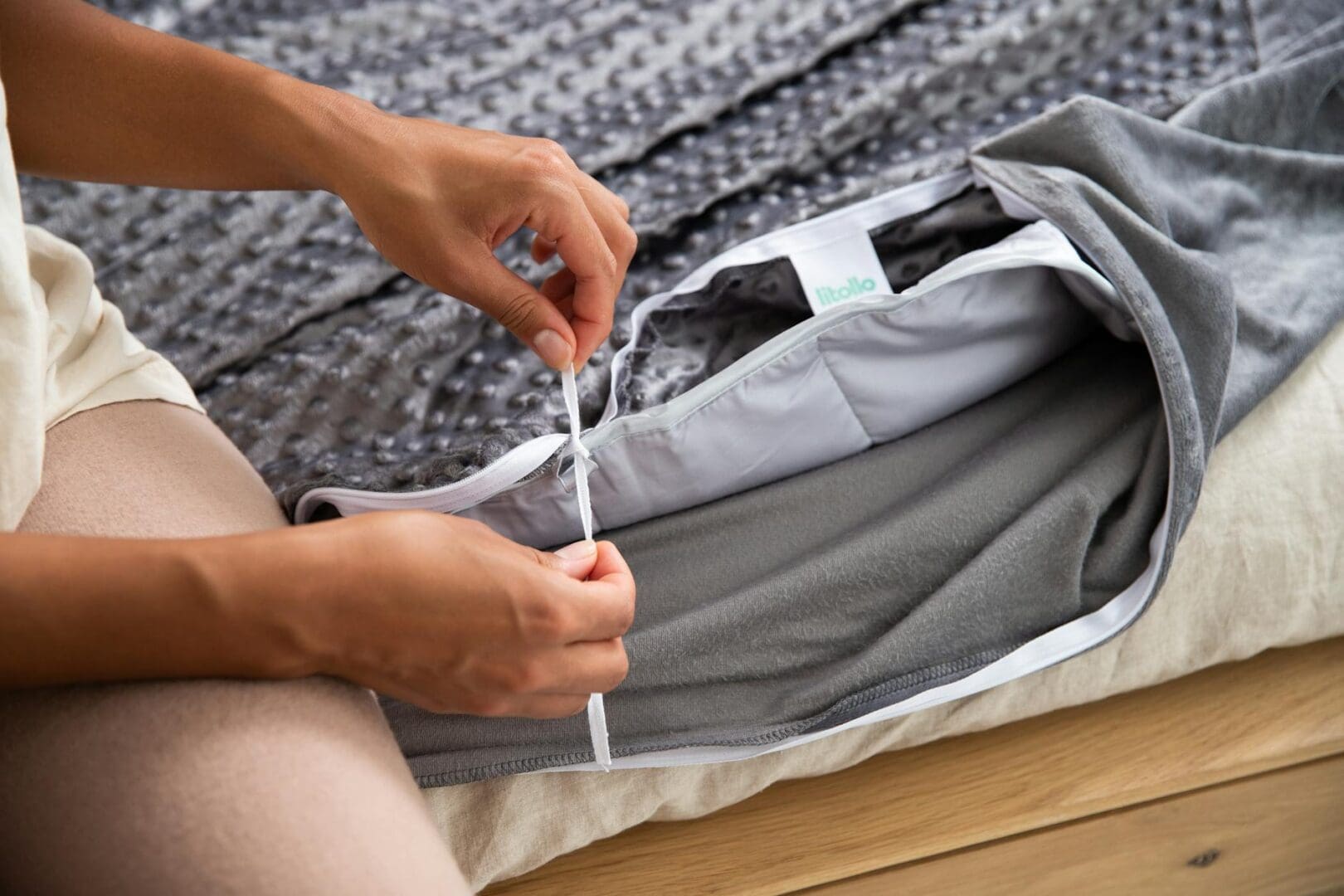
The outer fabric matters just as much. Cotton is breathable and perfect for year-round use, especially if you tend to overheat. Minky or plush fabrics feel incredibly cozy but can trap heat—ideal for winter or naturally cold sleepers. Some blankets come with duvet covers so you can switch between materials seasonally.
Look for blankets with small, evenly distributed pockets (typically 4″ x 4″ squares). This keeps the fill from shifting to one end and creating uneven pressure.
Budget Considerations and What to Expect
Budget weighted blankets start around $50-$80 and typically use plastic pellets with basic cotton or polyester covers. They’ll do the job, but may not last as long or feel as refined.
Mid-range options ($100-$150) usually feature glass beads, better construction, and higher-quality fabrics. This is the sweet spot for most buyers—you’re getting durability and comfort without breaking the bank.
Premium weighted blankets ($200+) often include organic fabrics, innovative cooling technology, and come with removable, washable covers. If you have sensory sensitivities or specific sleep issues, the investment might be worthwhile.
One money-saving tip: watch for sales during major shopping holidays, when weighted blankets often drop 30-40% in price.
Making Your Decision
Start with your body weight to determine the right weight range, then think about where you’ll use it most—bed, couch, or both. Consider your sleep temperature and whether you want year-round use or seasonal coziness. Check the construction quality by looking at pocket size and stitching in product photos, and make sure the blanket is machine washable or comes with a washable cover (because life happens).
A weighted blanket is an investment in better sleep and relaxation, and getting the right one can genuinely change how you feel at the end of a long day. Trust your instincts about what sounds comfortable to you, and don’t be afraid to exchange it if the weight doesn’t feel quite right once it arrives.
You need more storage in your living room, but a bulky bookcase feels too heavy and floating shelves aren’t cutting it. A credenza might be exactly what you’re looking for—it’s that low-profile cabinet that gives you tons of hidden storage while creating a beautiful surface for lamps, plants, and the things you actually want to […]
If you’ve been hitting snooze repeatedly or dragging yourself out of bed feeling groggy, you’re not alone. Waking up to a jarring alarm in a dark room works against your body’s natural rhythms, especially during winter months. A sunrise alarm clock mimics natural dawn, gradually filling your room with light to ease you awake. But […]
Waking up at 3 a.m. with a sweaty neck and flipping your pillow to the cool side for the fourth time isn’t just annoying—it’s robbing you of quality sleep. If you’re a hot sleeper, your pillow might be trapping heat against your head and neck all night long. The good news? The right cooling pillow […]