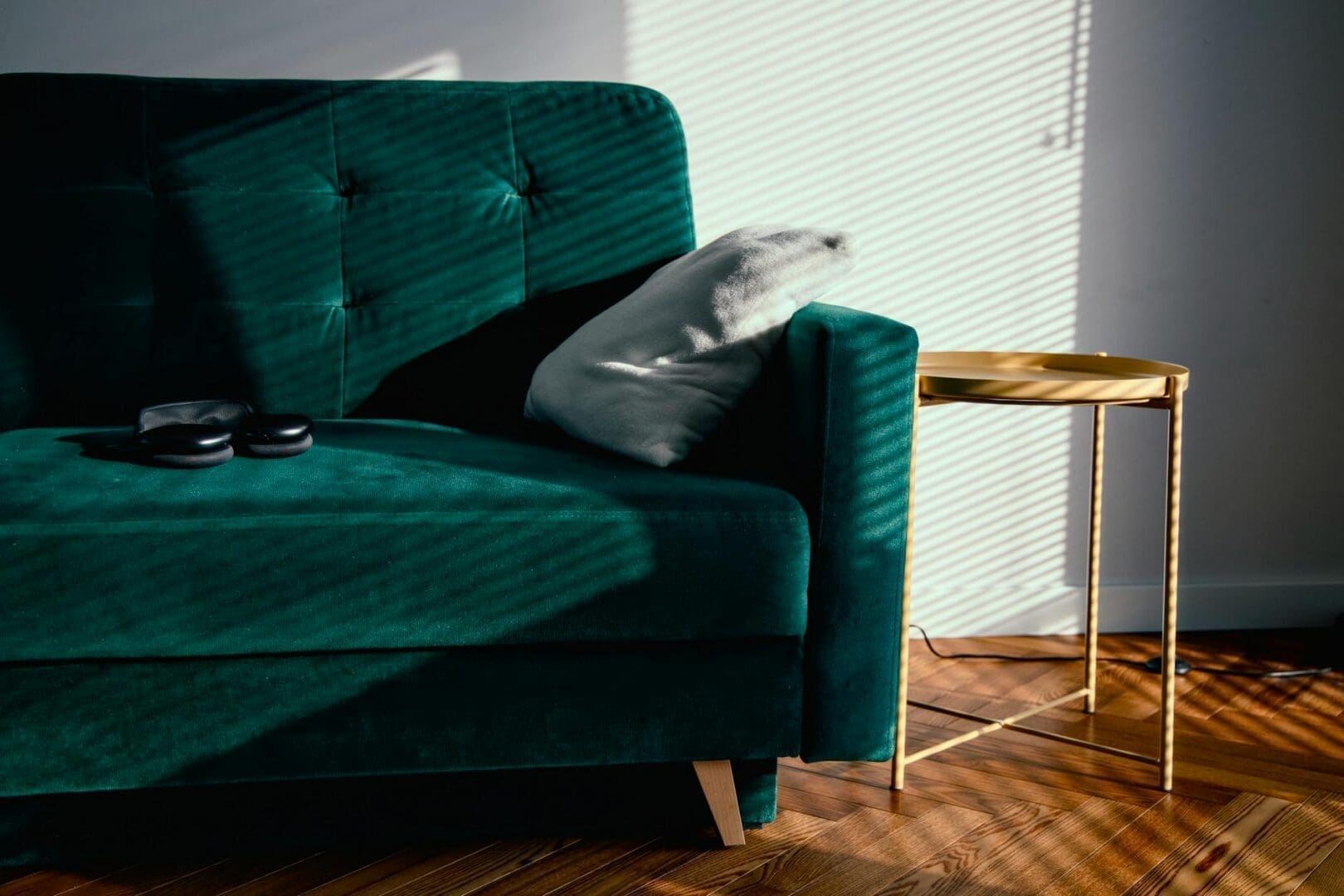
Velvet sofas have that undeniable wow factor—they’re luxurious, touchable, and instantly elevate a room. But if you’ve hesitated because you’ve heard velvet is high-maintenance or worried about crushed cushions and wear patterns after a few months, you’re asking the right questions. The truth is, not all velvet sofas are created equal. Choose wisely, and you’ll have a stunning centerpiece that holds up beautifully for years.
Understanding Velvet Quality and Durability
The first thing to know: velvet isn’t just one fabric. What you’re really choosing between is the fiber content and weave density. Synthetic velvets made from polyester or a poly-blend are your most durable option for everyday use. They resist crushing better than natural fibers, clean up more easily, and typically cost less. Cotton velvet has a beautiful matte finish and feels incredible, but it shows wear patterns more quickly and isn’t ideal if you have kids or pets.
Look for a double-rub count (also called abrasion rating) of at least 25,000 for moderate use, or 30,000+ for heavy traffic areas. This number tells you how much friction the fabric can handle before showing wear. Manufacturers should list this specification, and if they don’t, that’s a red flag. Budget velvet sofas ($800-$1,500) often skimp here, while mid-range options ($1,500-$3,000) typically use quality synthetic velvets that perform well for most households.
Frame and Cushion Construction Matters More Than You Think
A gorgeous velvet exterior won’t matter much if the sofa’s bones are weak. The frame should be kiln-dried hardwood—maple, oak, or birch are excellent choices. Avoid sofas with frames made from particleboard or softwoods like pine, which can warp and weaken over time. Corner blocks should be glued and screwed (not just stapled) for stability.
For cushions, high-density foam (1.8 density or higher) wrapped in a layer of down or polyester fiber gives you the best of both worlds: shape retention with a softer feel. Cheaper sofas use lower-density foam that breaks down quickly, leaving you with saggy cushions within a year. Spring systems matter too—eight-way hand-tied springs are the gold standard, but sinuous springs work well in mid-range sofas as long as they’re properly spaced and secured.
Practical Considerations for Real Life
Velvet’s pile (those soft fibers) can show directional marks where you sit or brush against it. This isn’t damage—it’s just the nature of velvet—but it bothers some people more than others. Performance velvets resist this crushing better and often come with stain-resistant treatments that repel spills without looking plasticky.
Color choice affects maintenance significantly. Medium tones like navy, emerald, or charcoal hide light wear and dust better than very light or very dark colors. If you’re set on a pale blush or cream velvet, make sure it has a protective finish and be prepared for more frequent spot-cleaning.
Consider arm style too. Tight, streamlined arms collect less dust and debris than loose, rolled arms with crevices. And if you’re buying for a high-traffic family room, removable cushion covers are worth seeking out—they make professional cleaning much easier down the road.
Getting the Best Value for Your Budget
Splurge-level velvet sofas ($3,000-$6,000+) typically feature that hardwood frame construction, premium cushioning, and often come from brands that offer long warranties. But you don’t necessarily need to spend that much for a sofa that lasts. The sweet spot is often in the $1,800-$2,500 range, where you’ll find solid construction with quality performance velvet.
If you’re budget-conscious, prioritize frame and cushion quality over size. A smaller, well-constructed velvet loveseat will serve you better than an oversized sectional with a weak frame. Ask about warranties too—reputable manufacturers typically offer at least a one-year warranty on fabric and five years on the frame.
Choosing a velvet sofa that lasts comes down to looking past the pretty surface. Check those durability ratings, ask about frame materials, test the cushion firmness, and be honest about how you’ll actually use the piece. When you find that combination of beauty and solid construction, you’ll have a sofa that feels as good five years from now as it does on delivery day.
You need more storage in your living room, but a bulky bookcase feels too heavy and floating shelves aren’t cutting it. A credenza might be exactly what you’re looking for—it’s that low-profile cabinet that gives you tons of hidden storage while creating a beautiful surface for lamps, plants, and the things you actually want to […]
If you’ve been hitting snooze repeatedly or dragging yourself out of bed feeling groggy, you’re not alone. Waking up to a jarring alarm in a dark room works against your body’s natural rhythms, especially during winter months. A sunrise alarm clock mimics natural dawn, gradually filling your room with light to ease you awake. But […]
Waking up at 3 a.m. with a sweaty neck and flipping your pillow to the cool side for the fourth time isn’t just annoying—it’s robbing you of quality sleep. If you’re a hot sleeper, your pillow might be trapping heat against your head and neck all night long. The good news? The right cooling pillow […]