You’ve found the perfect sofa—the right size, the comfort level is spot-on, and the price works with your budget. Then comes the hardest part: choosing a color. It’s not just about what looks good today. A sofa is a major investment that you’ll live with for five, ten, maybe fifteen years. Pick the wrong color, and you’ll be stuck with a piece that clashes with every decorating whim or feels tired after just a couple of seasons.
The good news? There’s a smart way to approach this decision that balances your personal style with long-term versatility.
Start With Your Room’s Permanent Features
Before you fall in love with that jewel-toned velvet, look at what’s not changing in your space. Your flooring, built-in shelving, fireplace, and architectural details are staying put. These elements set the color temperature of your room—warm or cool—and your sofa needs to work within that framework.
If you have warm-toned wood floors or honey-colored trim, sofas in warm neutrals like camel, taupe, or sand will feel naturally cohesive. Cool-toned spaces with gray flooring or white walls can handle cooler grays, blues, or even charcoal. Fighting against your room’s inherent temperature rarely works well over time.
Also consider your lighting. A north-facing room stays cooler and darker, which means lighter sofa colors help brighten the space. South-facing rooms with abundant warm light can handle deeper, richer colors without feeling cave-like.
The Neutral Question: Playing It Safe vs. Playing It Smart
Neutrals get a bad rap for being boring, but there’s a reason they dominate showrooms—they work. Shades like greige, warm gray, oatmeal, and soft taupe have legitimate staying power because they adapt to changing accent colors and decor styles.
That said, not all neutrals are created equal. Beige sofas from the early 2000s look dated now, not because beige is inherently bad, but because that particular peachy-beige was so trendy it became a timestamp. Today’s popular greiges and warm grays could face the same fate in a decade.
The smartest neutral approach? Choose something with a slightly timeless quality—think linen white, true charcoal, or a mid-tone tan that’s been around in various forms for generations. These shades have proven they can move through trend cycles without screaming a particular era.
Budget-friendly neutral sofas start around $600-$800, while mid-range options with better fabrics run $1,200-$2,500. High-end neutral pieces in premium materials can easily reach $3,000-$5,000.
When to Choose Color (And Which Colors Last)
If you’re craving something beyond neutral, the key is choosing colors with depth rather than trendiness. There’s a difference between a sofa in a complex navy blue and one in millennial pink. One has been around for centuries in various design styles; the other is a trend marker.
Colors with staying power tend to be found in nature: forest greens, warm terracottas, deep navy, rich cognac, and slate blue. These shades work across multiple decorating styles—from traditional to modern—which gives you flexibility as your taste evolves.
Avoid anything that feels too “of the moment.” If a color suddenly appeared everywhere in the last two years, it’s probably not your forever sofa color. Rust orange, blush pink, and emerald green have all had their Instagram moments, but these trend-heavy colors can make your entire room feel dated once the trend passes.
One practical test: Can you find this color in vintage or antique furniture? If decorators were using it 50+ years ago and it still looks good, it’ll probably still look good 10 years from now.
Consider Your Commitment Level and Lifestyle
Be honest about how you actually live. If you have kids, pets, or a habit of eating dinner on the couch, a cream linen sofa—no matter how beautiful—might become a source of stress rather than joy. Dark colors and patterns hide wear better than light, pristine fabrics.
Also think about your decorating personality. Do you repaint walls every few years and constantly switch out pillows and art? A neutral sofa gives you that flexibility. If you prefer to decorate once and leave it alone, choosing a color you genuinely love makes more sense because you’re not planning to change everything around it anyway.
The sweet spot for many people is a sofa in a grounded neutral or muted color, then layering in trend-responsive elements through pillows, throws, and other accessories. You get visual interest without the commitment of a bold sofa color you might tire of.
Choosing a sofa color isn’t about predicting the future or finding the single “perfect” shade. It’s about understanding your space, being realistic about your lifestyle, and picking something that feels like you—not like what’s trending on Pinterest right now. When you focus on colors with proven staying power rather than trendy appeal, you’re much more likely to still love your sofa years down the road.
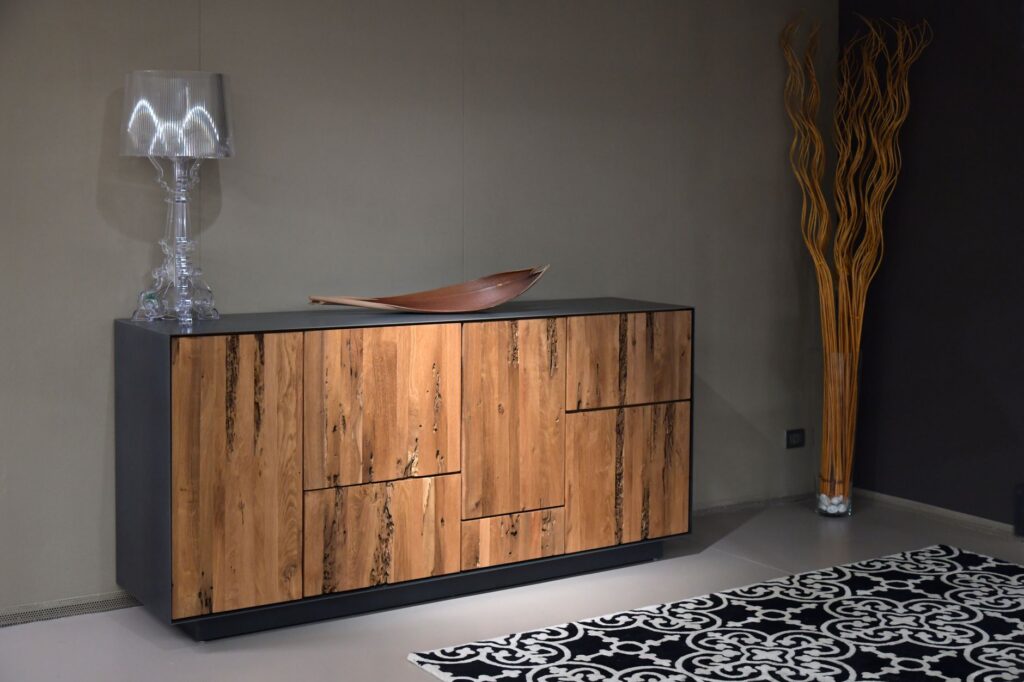
You need more storage in your living room, but a bulky bookcase feels too heavy and floating shelves aren’t cutting it. A credenza might be exactly what you’re looking for—it’s that low-profile cabinet that gives you tons of hidden storage while creating a beautiful surface for lamps, plants, and the things you actually want to […]
If you’ve been hitting snooze repeatedly or dragging yourself out of bed feeling groggy, you’re not alone. Waking up to a jarring alarm in a dark room works against your body’s natural rhythms, especially during winter months. A sunrise alarm clock mimics natural dawn, gradually filling your room with light to ease you awake. But […]
Waking up at 3 a.m. with a sweaty neck and flipping your pillow to the cool side for the fourth time isn’t just annoying—it’s robbing you of quality sleep. If you’re a hot sleeper, your pillow might be trapping heat against your head and neck all night long. The good news? The right cooling pillow […]