You’ve found the perfect sofa—the right size, comfortable cushions, quality construction. Then comes the question that stops everyone mid-purchase: what color? It’s not just about what looks good today. You’re making a decision you’ll live with for the next seven to ten years, through style changes, moves, and evolving tastes. Let’s figure out which color will actually work for your life.
Consider Your Lifestyle Reality First
Before you fall in love with that gorgeous cream linen sofa, think honestly about how you live. If you have kids under ten, pets that shed, or a habit of eating dinner on the couch, light colors require serious commitment. You’ll need washable slipcovers or professional cleaning every few months.
Dark colors hide stains better but show every speck of dust, pet hair, and lint. Medium tones in the gray, taupe, or sage family offer the best of both worlds—forgiving enough for real life while still looking intentional and styled.
Pattern can be your secret weapon here. A subtle texture or small-scale pattern camouflages wear and dirt better than solid colors. Look for fabrics with visual interest woven in rather than printed on.
Neutral Doesn’t Have to Mean Boring
Neutrals get recommended for good reason—they’re the most versatile long-term choice. But neutral spans a wide spectrum beyond basic beige.
Warm neutrals like camel, tan, and warm gray work beautifully in spaces with wood tones and create a cozy foundation. Cool neutrals—charcoal, greige, and slate blue-gray—pair well with modern spaces and metal finishes. True midtone grays remain popular because they genuinely do go with everything, though they can feel cold without the right accessories.
If neutrals feel too safe, consider navy, forest green, or terracotta. These colors read as neutrals in practice because they’re deep enough to anchor a room without overwhelming it. A navy sofa works with nearly as many color schemes as gray but brings more personality.
Budget-friendly sofas in neutral tones start around $600-$800. Mid-range options with better fabrics and construction run $1,200-$2,500. Splurge-worthy pieces in performance fabrics or leather begin around $3,000.
Test Colors in Your Actual Space
That sage green looks completely different in the showroom’s bright lights than it will in your north-facing living room. Always—and I mean always—get fabric swatches and look at them in your space at different times of day.
Pay attention to your room’s undertones. If your walls have warm beige or yellow undertones, cool gray sofas can look dingy or clash. If you have cool white walls and blue undertones, warm tan sofas might read orange.
Look at your existing furniture too. Your sofa doesn’t need to match your chairs or rug exactly, but it should share the same temperature. Mixing a warm cognac leather chair with a cool gray sofa rarely looks intentional.
Think About Future Flexibility
Your sofa will likely outlast your current rug, curtains, and wall color. Choose a shade that works with multiple accent colors so you’re not locked into one scheme.
Lighter neutrals give you the most flexibility for bold accent pillows and throws. You can completely change your room’s vibe seasonally just by swapping textiles. Darker or more saturated sofa colors look stunning but require you to build the room around them.
Consider resale value too. If you might sell this sofa or your home in the next few years, neutral colors in good condition hold their value better. That chartreuse velvet stunner might be harder to sell, even if it’s high quality.
The right sofa color balances what you love right now with what will still work in five years. If you’re drawn to trendy colors, satisfy that urge with pillows and throws instead. Your sofa should be the reliable foundation, not the trend piece. Most people find the most satisfaction with colors that feel like a slightly elevated version of safe—think charcoal instead of black, cream instead of white, or olive instead of kelly green. Trust your gut, test your samples, and remember that a color you feel good about every single day matters more than what’s trending on Instagram.
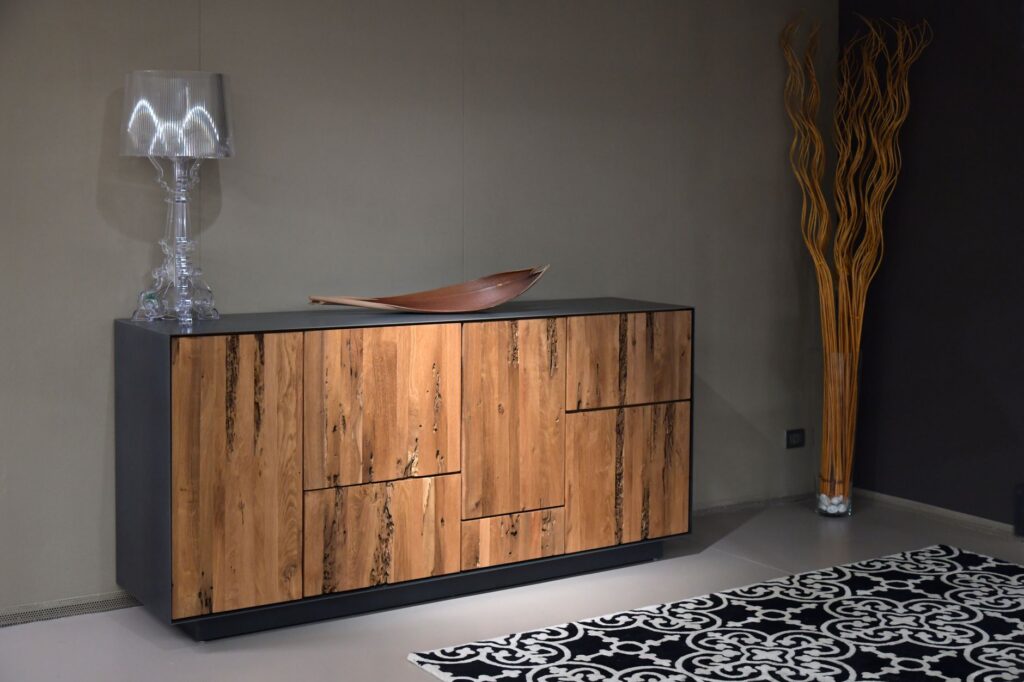
You need more storage in your living room, but a bulky bookcase feels too heavy and floating shelves aren’t cutting it. A credenza might be exactly what you’re looking for—it’s that low-profile cabinet that gives you tons of hidden storage while creating a beautiful surface for lamps, plants, and the things you actually want to […]
If you’ve been hitting snooze repeatedly or dragging yourself out of bed feeling groggy, you’re not alone. Waking up to a jarring alarm in a dark room works against your body’s natural rhythms, especially during winter months. A sunrise alarm clock mimics natural dawn, gradually filling your room with light to ease you awake. But […]
Waking up at 3 a.m. with a sweaty neck and flipping your pillow to the cool side for the fourth time isn’t just annoying—it’s robbing you of quality sleep. If you’re a hot sleeper, your pillow might be trapping heat against your head and neck all night long. The good news? The right cooling pillow […]