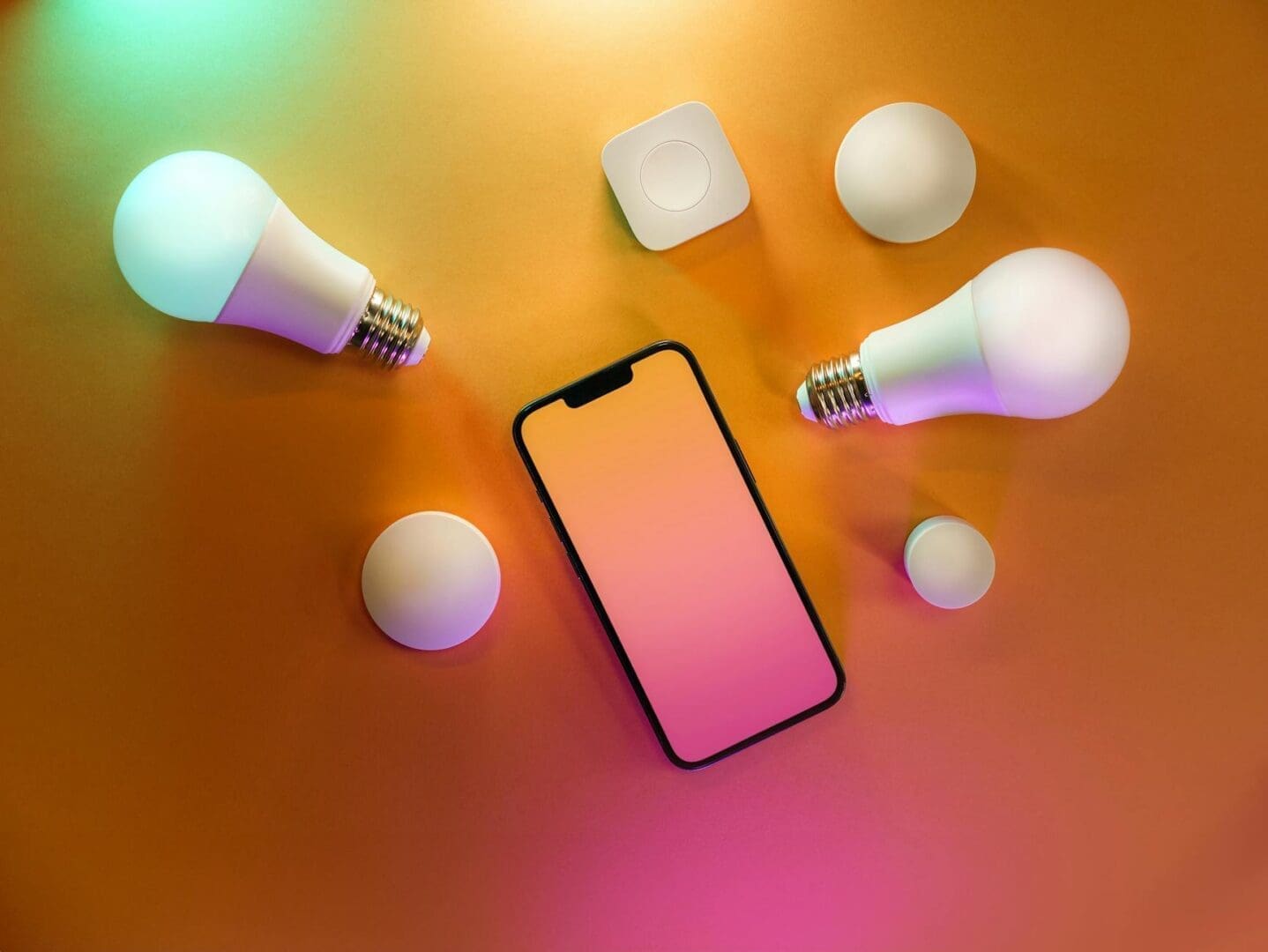
You’ve probably stood in front of a wall of smart bulbs at the store, phone in hand, wondering which one actually works with your setup—and whether you need a hub, a bridge, or just the app. Smart lighting has moved way past the gimmick phase, but the options can feel overwhelming when you’re just trying to add some convenience and ambiance to your home.
The good news? Once you understand a few key factors, choosing smart lighting becomes straightforward. Here’s what actually matters when you’re shopping.
Smart Bulbs vs. Smart Switches vs. Complete Systems
Your first decision is how deep you want to go. Smart bulbs are the easiest entry point—screw them into your existing fixtures, download an app, and you’re done. They’re perfect for renters or anyone testing the waters. Expect to pay $10-15 per budget bulb (like Wyze), $20-30 for mid-range options (Philips Hue White), or $45-60 for color-changing premium bulbs.
Smart switches replace your existing wall switches and control any bulbs in that fixture. They’re ideal if you have recessed lighting or multiple bulbs on one circuit. You’ll need basic electrical knowledge or an electrician, but once installed, anyone can use the regular switch. Prices run $20-40 for basic models and $50-80 for dimmer switches with advanced features.
Complete systems like Philips Hue or LIFX offer the most flexibility—bulbs, light strips, outdoor lights, and accessories that all work together. They cost more upfront but deliver the smoothest experience if you’re planning to outfit multiple rooms.
Compatibility and Control Options
Before buying anything, check what you already own. If you’re invested in Alexa, Google Home, or Apple HomeKit, make sure your lighting choice works with your ecosystem. Most major brands support all three, but budget options might only work with one or two.
Hub requirements matter too. Some systems need a separate bridge that plugs into your router (like Philips Hue), while others connect directly to Wi-Fi (like LIFX or most smart switches). Hub-based systems tend to be more reliable and responsive, but they add another piece of hardware to manage. Direct Wi-Fi bulbs are simpler but can clog up your network if you install dozens of them.
Think about how you’ll actually control these lights. Voice commands are convenient when your hands are full. Phone apps work when you’re away from home. But physical switches or buttons (like the Hue Dimmer Switch) are essential—guests shouldn’t need your phone to turn on the bathroom light.
Features That Actually Matter
Dimming capability is non-negotiable for living rooms and bedrooms. You’ll use it more than you think. Color temperature adjustment (warm to cool white) is incredibly useful—bright, cool light for morning routines and warm light for evening relaxation. Full RGB color changing is fun for accent lighting or parties, but most people use white tones 95% of the time, so don’t overpay for colors you won’t use.
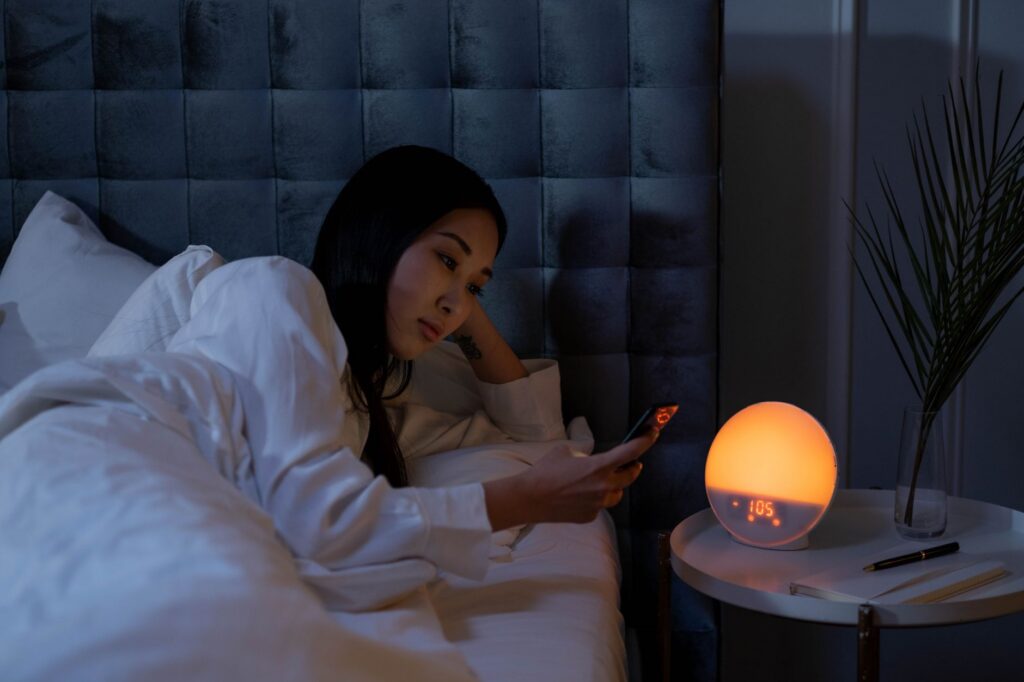
Scheduling and automation are where smart lighting really shines. Lights that turn on at sunset, fade up gradually as your alarm, or turn off automatically when you leave home—these features genuinely improve daily life. Look for systems with good automation options and geofencing support.
Pay attention to brightness too. Many smart bulbs max out at 800 lumens (60-watt equivalent), which is fine for lamps but underwhelming for overhead fixtures. If you’re replacing 100-watt bulbs, look for 1100+ lumen options.
Room-by-Room Considerations
For living rooms and bedrooms, dimmable white bulbs or color-changing options create the right ambiance. Table lamps and floor lamps work beautifully with smart bulbs since you control them independently.
Kitchens and bathrooms need reliable, bright task lighting. Smart switches often make more sense here than individual bulbs, and stick with simple white or tunable white—you don’t need purple light while chopping vegetables.
Outdoor lights benefit from scheduling and motion sensing. Look for weatherproof bulbs or fixtures rated for your climate, and consider systems with good dimming since full brightness all night can be harsh.
Smart lighting really does make your home more comfortable once you get past the initial setup. Start with one room to learn what you like, then expand from there. Whether you choose individual smart bulbs for flexibility or go all-in with a complete system, you’ll wonder why you didn’t make the switch sooner—especially when you’re already in bed and can turn off all the lights without getting up.
You need more storage in your living room, but a bulky bookcase feels too heavy and floating shelves aren’t cutting it. A credenza might be exactly what you’re looking for—it’s that low-profile cabinet that gives you tons of hidden storage while creating a beautiful surface for lamps, plants, and the things you actually want to […]
If you’ve been hitting snooze repeatedly or dragging yourself out of bed feeling groggy, you’re not alone. Waking up to a jarring alarm in a dark room works against your body’s natural rhythms, especially during winter months. A sunrise alarm clock mimics natural dawn, gradually filling your room with light to ease you awake. But […]
Waking up at 3 a.m. with a sweaty neck and flipping your pillow to the cool side for the fourth time isn’t just annoying—it’s robbing you of quality sleep. If you’re a hot sleeper, your pillow might be trapping heat against your head and neck all night long. The good news? The right cooling pillow […]