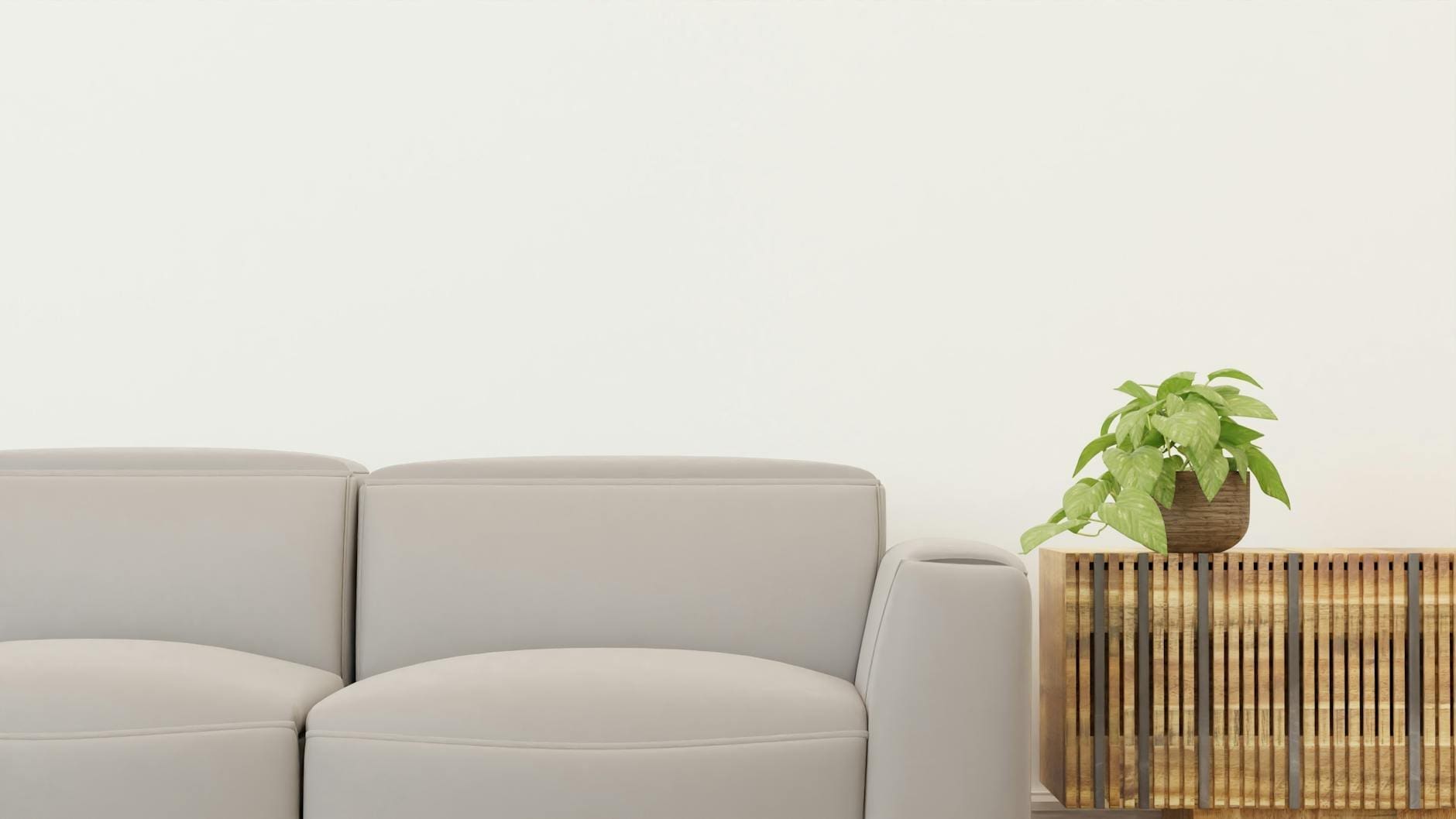
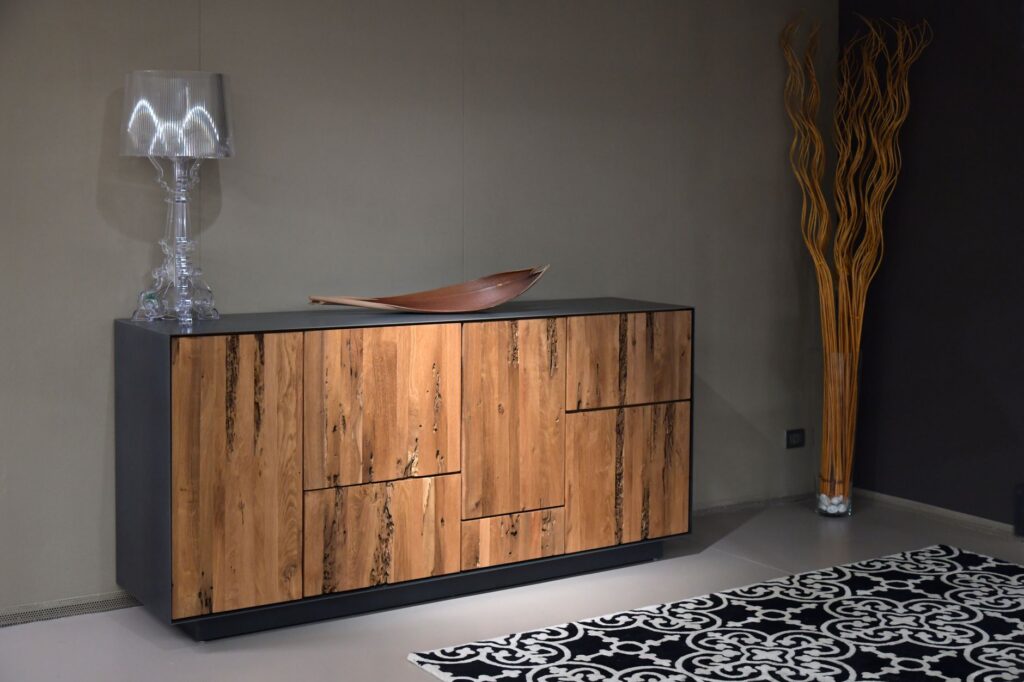
A side table might seem like a small decision, but choose the wrong one and you’ll notice it every single day. Too tall, and your coffee mug feels awkward. Too small, and it disappears next to your sofa. The right side table, though, becomes one of those pieces you wonder how you ever lived without—holding your reading lamp, catching your keys, and pulling your whole seating area together.
Getting the Height and Size Right
Height matters more than most people realize. Your side table should sit within two inches of your sofa’s arm height—any higher and you’re reaching up awkwardly, any lower and you’re bending down constantly. Most sofas have arms between 24 and 26 inches high, making tables in the 22 to 27-inch range your sweet spot.
For surface area, think about what you’ll actually use it for. A 16 to 20-inch diameter or square top works for most situations—enough room for a lamp, a drink, and maybe a book or remote. Go smaller if you’re tight on space or placing it between two chairs. Go larger (22 to 24 inches) if it’s your primary surface next to a sectional or if you need serious storage underneath.
Don’t forget the footprint. Measure the space between your sofa and the wall or adjacent furniture. Leave at least 18 inches for a comfortable walking path, and make sure the table doesn’t block traffic flow through your room.
Matching Style to Your Space
Your side table doesn’t need to match your coffee table exactly—in fact, mixing materials and finishes often looks more collected and interesting. What matters is that it complements your room’s overall aesthetic.
Traditional rooms pair well with wood tables featuring turned legs, drawer pulls, and warm finishes like cherry or walnut. Modern spaces call for clean lines, metal frames, and materials like glass, marble, or lacquered wood. Mid-century designs with tapered legs work surprisingly well in both settings, which is why they’re so popular.
Consider visual weight too. A glass or open-frame table keeps a small room feeling airy, while a solid wood piece with shelving or drawers grounds a larger space. If your sofa is bulky and substantial, a delicate table can look like an afterthought—go for something with more presence.
Materials and Durability
Think about how you actually live before falling for a beautiful but impractical material. Wood remains the most versatile choice—hardwoods like oak, maple, and walnut handle daily wear beautifully and age well. Engineered wood or veneers work fine for budget options, especially if they’re well-constructed.
Metal and glass combinations offer a sleeker look and are surprisingly durable. Tempered glass resists scratches better than you’d think, though you’ll see fingerprints and dust. Powder-coated metal frames hold up well to bumps and won’t show wear like painted finishes might.
Marble and stone tops look luxurious but require coasters—they’re porous and can stain. Some side tables feature these materials as accents rather than full surfaces, giving you the look with less maintenance worry. Avoid particleboard bases if you can; they don’t hold hardware well over time, especially if you’re moving furniture around.
Storage and Functionality
An open table with just a top and legs keeps things simple and costs less—usually $75 to $200 for decent quality. They work well in minimal spaces or when you have plenty of storage elsewhere.
Add a drawer and you’re looking at $150 to $400, but that hidden storage is gold for corralling remotes, charging cables, and reading glasses. Lower shelves split the difference, typically adding $50 to $100 to the price while giving you a spot for books or baskets.
Some tables include USB ports or outlets built into the base—genuinely useful if your seating area is far from wall outlets. These typically run $200 to $500 depending on the overall quality and design.
The right side table does real work in your living room without demanding attention. Take your measurements, think about what you need within arm’s reach, and choose something that feels substantial enough to matter but not so precious you’ll worry about using it. When you find that balance, you’ve found your table.
You need more storage in your living room, but a bulky bookcase feels too heavy and floating shelves aren’t cutting it. A credenza might be exactly what you’re looking for—it’s that low-profile cabinet that gives you tons of hidden storage while creating a beautiful surface for lamps, plants, and the things you actually want to […]
If you’ve been hitting snooze repeatedly or dragging yourself out of bed feeling groggy, you’re not alone. Waking up to a jarring alarm in a dark room works against your body’s natural rhythms, especially during winter months. A sunrise alarm clock mimics natural dawn, gradually filling your room with light to ease you awake. But […]
Waking up at 3 a.m. with a sweaty neck and flipping your pillow to the cool side for the fourth time isn’t just annoying—it’s robbing you of quality sleep. If you’re a hot sleeper, your pillow might be trapping heat against your head and neck all night long. The good news? The right cooling pillow […]