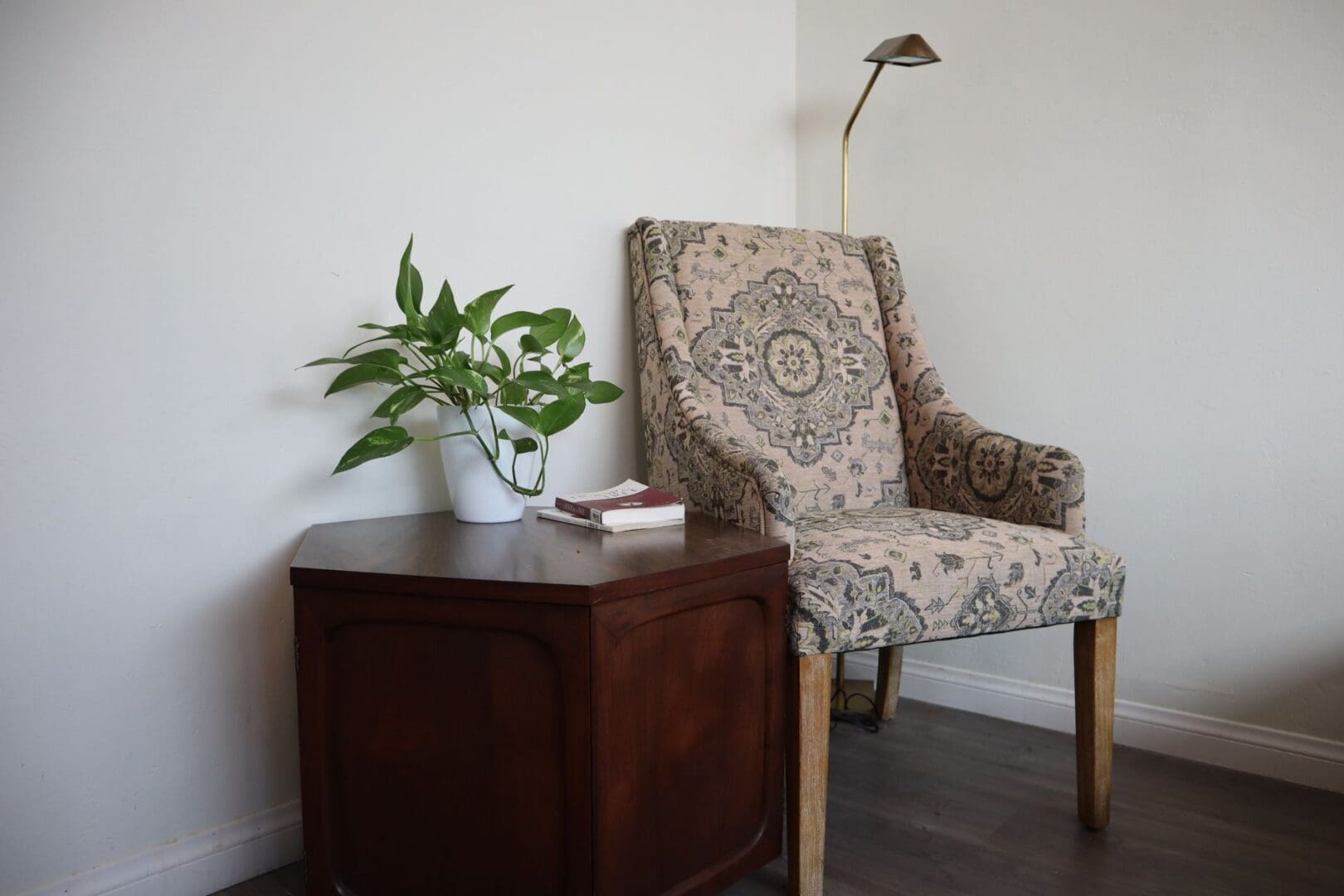
That empty corner in your bedroom has potential. You walk past it every day thinking it could be something more—a spot to read before bed, sip your morning coffee, or just escape for a few quiet minutes. A reading chair can transform that awkward space into your favorite corner of the house, but only if you choose the right one.
Getting the Size Right for Your Space
Before you fall in love with a chair online, grab a tape measure. Most bedroom corners can accommodate a chair that’s 28-32 inches wide, but your space might be different. Measure not just the corner itself, but also factor in at least 18 inches of clearance on all sides so you don’t feel boxed in.
Chair depth matters too. Standard reading chairs range from 32-38 inches deep, but if you’re working with a smaller bedroom, look for apartment-sized or slipper chairs that typically measure 28-32 inches deep. These compact options still provide comfort without overwhelming the room. And don’t forget about height—you’ll want to ensure the chair back doesn’t block windows or interfere with wall art.
If you’re planning to add an ottoman or footstool, account for that too. A small ottoman typically adds another 20-24 inches of depth to your overall footprint.
Comfort Features That Actually Matter
A reading chair isn’t just for looks—you’ll actually spend time in it, so comfort is non-negotiable. The seat depth should allow you to sit all the way back with your feet touching the floor. If the seat is too deep, you’ll constantly slide forward; too shallow, and you’ll feel perched rather than settled.
Arms are worth serious consideration. Chairs with arms give you somewhere to rest a book, tablet, or coffee mug, and they make it easier to get in and out of the chair. Look for arms that are the right height—around 25-26 inches from the floor works for most people. Wingback chairs offer extra support and create a cozy, enclosed feeling that many readers love.
The seat cushion firmness affects how long you can comfortably sit. Medium-firm cushions with high-density foam or down-wrapped cores maintain their shape and provide support for extended reading sessions. Overly soft cushions feel great for five minutes but leave you shifting around after half an hour.
Swivel or rocking mechanisms can be nice additions if you like a little movement, though stationary chairs typically offer more long-term durability. Recliners work beautifully as reading chairs, but verify you have enough wall clearance for the footrest to extend fully.
Style and Material Choices
Your reading chair should complement your bedroom’s existing style while standing out enough to define its own little zone. Accent chairs in velvet or bouclé add a luxe touch to traditional or glam bedrooms, while leather club chairs suit modern or masculine spaces. Linen or cotton slipcover chairs work beautifully in coastal, farmhouse, or casual bedrooms.
Upholstery choice affects both aesthetics and practicality. Performance fabrics resist stains and clean easily—important if you’re bringing coffee or tea to your reading corner. Leather and faux leather wipe clean but can feel cold in winter and sticky in summer. Velvet looks stunning but shows wear patterns and requires regular vacuuming.
Color-wise, you can either match your existing bedroom palette or use the chair as an accent piece. A bold jewel tone or pattern can energize a neutral bedroom, while a cream or gray chair blends seamlessly if you prefer subtlety.
What You’ll Actually Spend
Reading chairs span a wide price range, and understanding the tiers helps you shop smarter. Budget options from big-box retailers typically run $200-400. These chairs work fine for occasional use, though the frames may be particleboard and cushions tend to flatten within a year or two.
Mid-range chairs ($400-800) offer better construction with hardwood frames, higher-quality foam, and more durable fabrics. This is the sweet spot for most people who plan to use their reading chair regularly. You’ll find solid options from furniture retailers and online brands that specialize in home furnishings.
Luxury reading chairs ($800-2000+) feature premium materials like top-grain leather, hand-tied springs, and hardwood frames built to last decades. If your reading corner will get daily use and you want an heirloom-quality piece, this investment makes sense.
Don’t forget to budget for extras. A small side table ($50-200) gives you a spot for books and drinks, and an ottoman ($100-400) elevates the comfort significantly. A reading lamp is essential unless your corner has excellent natural light.
Creating a bedroom reading nook doesn’t require a massive space or budget—just a corner, the right chair, and maybe a good lamp. Measure your space carefully, prioritize the comfort features that matter for how you actually sit and read, and choose upholstery that fits both your style and lifestyle. Once everything’s in place, that forgotten corner becomes the spot you look forward to settling into every single day.
Most bedroom corners accommodate chairs between 28-32 inches wide, though you’ll need to measure your specific space. Leave at least 18 inches of clearance around the chair for comfortable movement and to avoid a cramped feeling.
Should a reading chair have arms or be armless?
Reading chairs with arms provide better support for long reading sessions and give you a place to rest your book or device. However, armless chairs work better in tight corners and offer more flexibility in how you sit.
What’s a good budget for a bedroom reading chair?
Budget reading chairs start around $200-400, mid-range options run $400-800, and high-end chairs range from $800-2000+. Your ideal budget depends on how often you’ll use it and what features matter most to you.
Do I need an ottoman with my reading chair?
An ottoman isn’t essential but adds significant comfort for extended reading sessions by letting you elevate your feet. If space allows, a small ottoman or footstool is worth considering, especially if you plan to spend hours in your reading nook.
What type of fabric is best for a reading chair?
Performance fabrics like treated linen or microfiber resist stains and wear well for daily use. Leather and faux leather are durable and easy to clean, while velvet adds luxury but requires more maintenance.
Shopping for a dresser for your child’s room feels different than buying one for yourself. You’re not just thinking about today—you’re wondering if it’ll survive the toddler years, hold up through elementary school, and maybe even make it to the teenage bedroom. The good news? With the right approach, you can find a dresser that […]
You’ve found the perfect bed frame, but now your old dresser looks completely out of place. Or maybe you’re starting fresh and wondering whether you need to buy a matching bedroom set. The truth is, coordinating your dresser and bed frame isn’t about finding exact matches—it’s about creating visual harmony through smart choices about style, […]
Adding a dresser to your walk-in closet can transform it from a simple hanging space into a fully functional dressing room. But unlike choosing a dresser for your bedroom, closet dressers have different requirements—they need to fit within existing dimensions, complement built-in systems, and maximize storage without creating obstacles. Whether you’re designing a new closet […]