There’s something undeniably classic about a bed frame with both a headboard and footboard. It gives your bedroom that pulled-together, furniture-showroom look and can make even a basic mattress feel like a proper centerpiece. But with so many styles, materials, and price points out there, choosing the right one involves more than just picking something that looks nice online. You need to think about your room size, how you actually use your bed, and whether that gorgeous footboard will drive you crazy when you’re trying to tuck in your sheets at 11 p.m.
Size and Proportion: Making Sure It Fits Your Space
The first thing to nail down is whether a full headboard-and-footboard setup will actually work in your room. Measure your space carefully—not just the bed footprint, but how much clearance you’ll have around it. A king bed with an ornate footboard in a 10×12 room will feel cramped and make it difficult to move around comfortably.
Pay attention to headboard height, especially if you have low ceilings or windows behind the bed. A towering 60-inch upholstered headboard looks dramatic in photos but can overwhelm a room with 8-foot ceilings. Generally, your headboard should be proportional to your wall height—aim for it to take up about one-third to one-half of the wall space above your mattress.
Footboards add another dimension to consider. They typically extend 14-24 inches from the floor, which means they’ll be visible and take up visual space. If your room is on the smaller side, a low-profile footboard or even skipping it entirely might make the space feel more open. Before committing, use painter’s tape on the floor to map out the full dimensions—it’s the best way to visualize how much room you’re really working with.
Material Choices: What Holds Up and What Doesn’t
The material you choose affects everything from durability to maintenance to price. Solid wood frames—think oak, maple, cherry, or walnut—are the gold standard. They’re sturdy, timeless, and can handle being moved or bumped without falling apart. Expect to pay $800-2,500+ for quality solid wood, but you’re getting a piece that can last decades.
Metal frames offer similar durability at a lower price point, typically $400-1,200. Wrought iron and steel frames have a distinct look that works beautifully in industrial, traditional, or farmhouse bedrooms. They’re virtually indestructible and require almost no maintenance beyond occasional dusting.
Upholstered frames have exploded in popularity, and for good reason—they’re comfortable to lean against and add softness to a bedroom. Linen, velvet, and performance fabrics are common choices, running $600-2,000 depending on quality. Just know that upholstered headboards and footboards will show wear over time, especially if you have pets or kids. They also require more cleaning than wood or metal.
Engineered wood (MDF or particleboard with veneer) keeps costs down, with frames starting around $200-500. These work fine for guest rooms or if you like switching up your furniture every few years, but they won’t hold up to multiple moves or daily wear like solid materials will.
Style Considerations: Finding Your Aesthetic
Your bed frame sets the tone for your entire bedroom, so the style matters. Panel beds feature flat or raised panels in both the headboard and footboard—they’re traditional, versatile, and work in almost any bedroom style. Sleigh beds curve outward at both ends, creating an elegant, classical look that pairs beautifully with traditional or transitional decor.
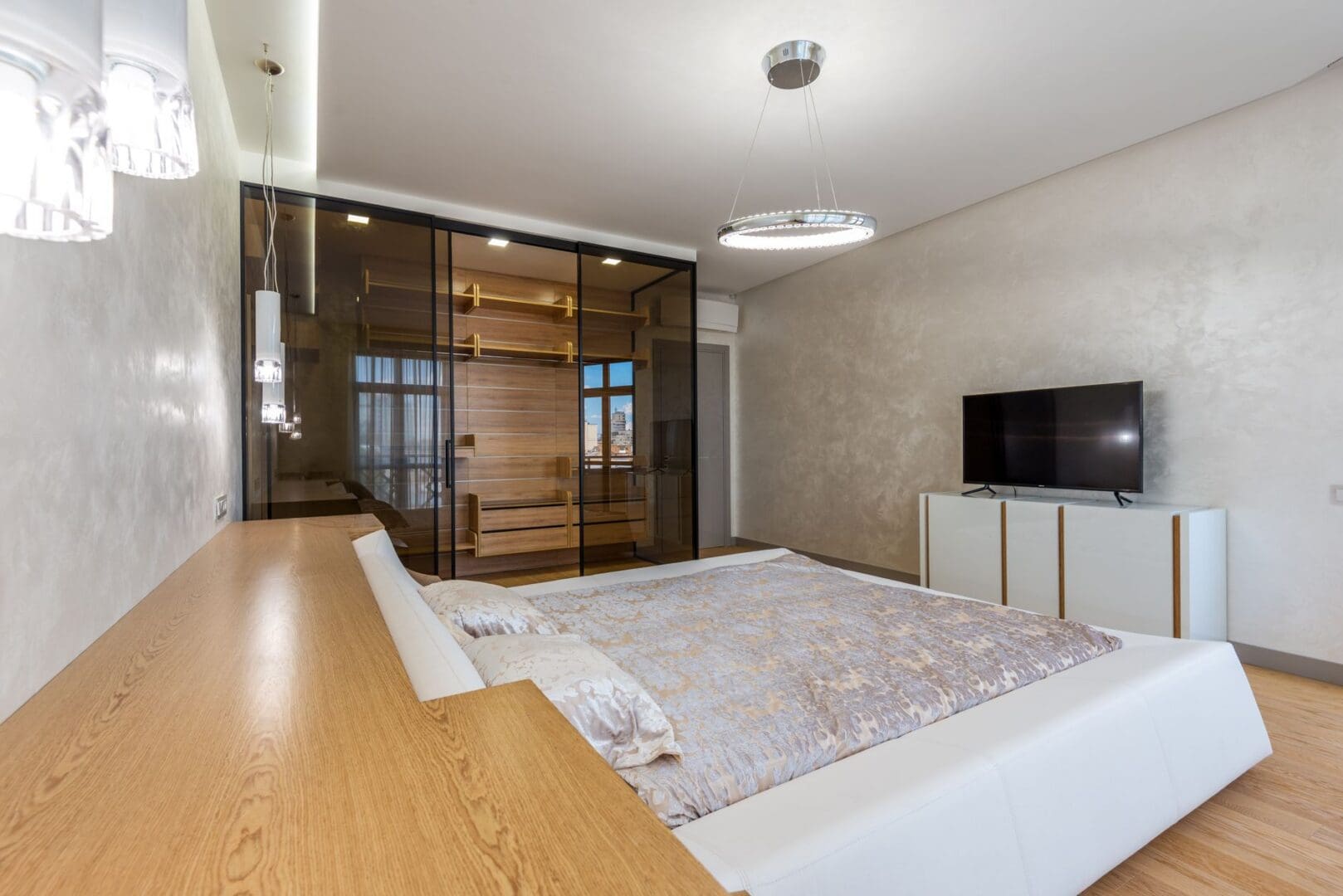
Four-poster beds include vertical posts at each corner, sometimes with the option to add a canopy. They make a dramatic statement and work best in larger bedrooms with higher ceilings. Platform beds with headboards and footboards offer a lower profile and contemporary aesthetic, perfect for modern or minimalist spaces.
Before you commit to a full frame, you might want to check out our guide to choosing a headboard style to narrow down the aesthetic you’re after.
Think about decorative details too. Tufting, nailhead trim, carved wood details, and metal accents all contribute to the overall look. More ornate designs tend to feel traditional or glam, while clean lines read as modern or Scandinavian. Make sure the style complements your existing furniture rather than competing with it.
Practical Features Worth Considering
Beyond looks, think about how you’ll actually use the bed. If you read or watch TV in bed, a padded, upholstered headboard is far more comfortable to lean against than hard wood or metal. Some headboards include built-in shelving or USB ports—genuinely useful if you’re short on nightstand space.
Storage is another consideration. Some frames with footboards incorporate drawers underneath, which is brilliant for small bedrooms or anyone short on closet space. Just make sure you have enough room clearance to actually open those drawers.
Assembly difficulty varies wildly. Some frames arrive in dozens of pieces requiring two people and three hours to assemble, while others come mostly pre-assembled. Check reviews specifically for assembly feedback—a beautiful frame that takes six frustrating hours to put together loses some of its appeal.
Also consider mattress compatibility. Most frames accommodate standard mattress sizes, but double-check the slat spacing if you’re using a memory foam or hybrid mattress—slats more than 3 inches apart may require a bunkie board for proper support.
Choosing a bed frame with both a headboard and footboard gives your bedroom a finished, intentional look that a bare mattress on a basic frame just can’t match. Focus on getting the size right for your space, pick materials that fit your budget and lifestyle, and choose a style that you’ll still love five years from now. The right frame transforms your bedroom from just a place to sleep into a space that actually feels designed.
Before you commit to a full frame, you might want to check out our guide to choosing a headboard style to narrow down the aesthetic you’re after.
Frequently Asked Questions
Do I need both a headboard and footboard?
No, you don’t need both. A headboard serves practical purposes like protecting your wall and providing a surface to lean against, while a footboard is purely aesthetic. Many people choose headboard-only frames for a more open, modern look and easier bed-making.
What’s the standard height for a headboard and footboard?
Headboards typically range from 14 to 58 inches above the mattress, with most falling between 48-52 inches for queen and king beds. Footboards are usually 14 to 24 inches high, measured from the floor. Your ceiling height and mattress thickness will influence what looks proportional.
Are bed frames with footboards harder to make?
Yes, footboards do make bed-making slightly more challenging since you can’t easily tuck sheets at the foot of the bed. They also limit how you can drape blankets and throws. If you tend to kick off covers at night or like a relaxed, layered bedding look, a footboard might feel restrictive.
How much should I spend on a bed frame with headboard and footboard?
Budget frames start around $200-400 and work fine for guest rooms or temporary setups. Mid-range options ($500-1,200) offer better construction and materials that’ll last 7-10 years. Premium frames ($1,500+) feature solid wood construction, quality upholstery, and designs that can last decades.
What material bed frame is most durable?
Solid wood frames, especially hardwoods like oak, maple, or walnut, are the most durable and can last 20+ years. Metal frames are also extremely sturdy and long-lasting. Upholstered frames look luxurious but require more maintenance, while engineered wood (MDF or particleboard) is budget-friendly but less durable.
Shopping for a dresser for your child’s room feels different than buying one for yourself. You’re not just thinking about today—you’re wondering if it’ll survive the toddler years, hold up through elementary school, and maybe even make it to the teenage bedroom. The good news? With the right approach, you can find a dresser that […]
You’ve found the perfect bed frame, but now your old dresser looks completely out of place. Or maybe you’re starting fresh and wondering whether you need to buy a matching bedroom set. The truth is, coordinating your dresser and bed frame isn’t about finding exact matches—it’s about creating visual harmony through smart choices about style, […]
Adding a dresser to your walk-in closet can transform it from a simple hanging space into a fully functional dressing room. But unlike choosing a dresser for your bedroom, closet dressers have different requirements—they need to fit within existing dimensions, complement built-in systems, and maximize storage without creating obstacles. Whether you’re designing a new closet […]