Bedside table lamps eat up valuable nightstand real estate, and hardwired sconces require an electrician and serious commitment. That’s where plug-in wall sconces come in—they give you the sophisticated look and space-saving benefits of mounted lighting without tearing into your walls. But with so many styles and features available, how do you choose one that actually works for your bedroom?
Placement and Cord Management
Before you fall in love with a particular sconce, think about where it’ll go and how the cord will get there. The standard height for bedroom sconces is 60 to 66 inches from the floor to the center of the fixture, which typically puts the light at a comfortable reading height when you’re sitting up in bed. If you’re mounting them above nightstands, measure from the top of the nightstand and add about 8 to 10 inches.
The cord situation matters more than you might think. Measure the distance from your planned sconce location to the nearest outlet. Most plug-in sconces come with 6-foot cords, but some offer longer options. You’ll also want to consider how you’ll manage that cord—will it run down behind your headboard, along the baseboard, or do you need cord covers to keep things tidy? If the cord has to cross open wall space, look for decorative cord covers in finishes that complement your sconce.
Light Output and Functionality
Not all sconces are created equal when it comes to actual illumination. Think about what you need this light to do. Are you looking for soft ambient lighting to create mood, or do you need something bright enough to read by?
For reading, you’ll want sconces that accommodate at least 60-watt equivalent LED bulbs (around 800 lumens). Swing-arm or adjustable models are particularly useful because you can direct light exactly where you need it—onto your book rather than into your eyes or your partner’s side of the bed. Shaded sconces with open tops and bottoms provide both upward ambient light and downward task lighting, giving you flexibility.
Pay attention to whether the sconce includes a switch. Some have inline cord switches, which are convenient but can dangle awkwardly. Others have switches on the fixture itself, which looks cleaner but means reaching up to turn them on and off. If you want maximum convenience, look for models compatible with smart bulbs or consider adding a smart plug—you can control them from bed without moving.
Style and Shade Configuration
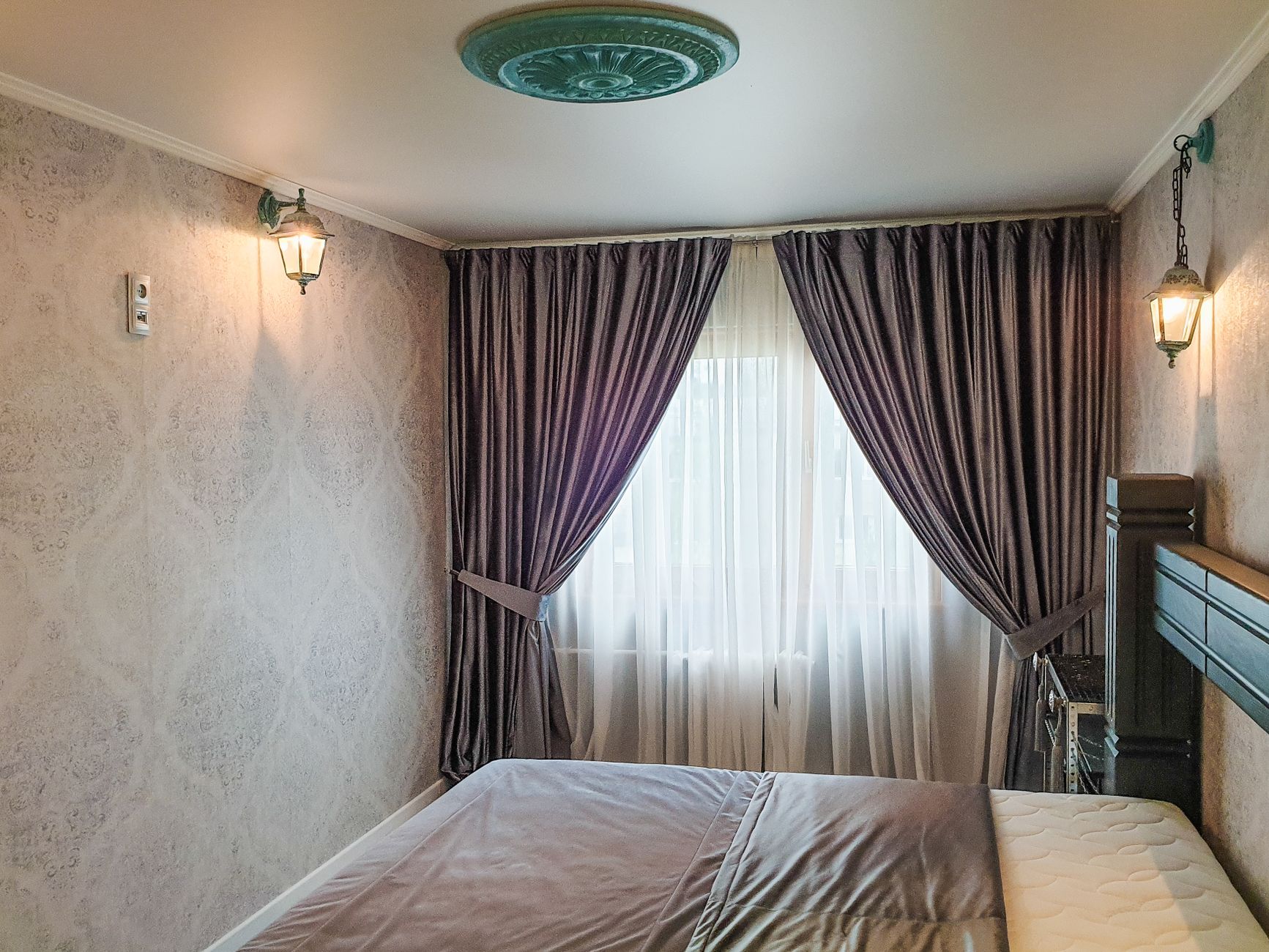
Sconce style dramatically affects both the look of your bedroom and the quality of light you’ll get. Open-cage or exposed-bulb sconces create a more modern, industrial vibe but provide unfiltered light that can feel harsh—great for a moody accent, less ideal for bedtime reading. Fabric or frosted glass shades diffuse light softly, making them better for creating a relaxing atmosphere.
Swing-arm sconces offer the most versatility, especially in smaller bedrooms where you might want to tuck the fixture against the wall when not in use. They typically extend 12 to 18 inches from the wall, so make sure you have the clearance. Fixed-arm sconces maintain a cleaner profile but give you less control over light direction.
Consider how the finish integrates with your existing bedroom furniture and hardware. Matte black and brushed brass are popular choices that work across various decor styles, while polished nickel or chrome suits more traditional spaces. Don’t feel obligated to match your sconces exactly to your bed frame—mixing metals is perfectly fine as long as the overall style feels cohesive.
Budget Considerations
Plug-in sconces range from around $40 for basic models to $300+ for designer options. Budget-friendly sconces in the $40-80 range work well for rentals or temporary solutions, though they may have lighter-weight construction and less flexibility in bulb compatibility. Mid-range options from $80-150 typically offer better build quality, more finish choices, and features like adjustable arms or dimmer compatibility.
Splurge-worthy sconces above $150 usually feature premium materials like solid brass, hand-blown glass shades, or unique designer details. They’re worth considering if you’re confident about your bedroom’s style direction and plan to stay put for a while. That said, a well-chosen budget sconce can look just as good as a pricey one—focus on clean lines and quality finishes rather than complicated details that can look cheap in lower price ranges.
A plug-in wall sconce gives you the flexibility to add sophisticated lighting without the commitment or cost of hardwiring. Focus on practical considerations first—placement, cord management, and the type of light you actually need—then choose a style that makes your bedroom feel complete. The right sconce does more than just illuminate; it transforms your bedroom into a space that feels intentionally designed rather than just furnished.
Where should you hang plug-in wall sconces in a bedroom?
The most common placement is flanking the bed at 60-66 inches from the floor to the center of the sconce, which puts them at a comfortable reading height. You can also install them above nightstands, in reading nooks, or to highlight artwork. Make sure the cord can reach an outlet without creating a tripping hazard.
Do plug-in sconces give enough light for reading?
Yes, if you choose the right bulb wattage and sconce style. Look for sconces that accommodate at least 60-watt equivalent LED bulbs or have adjustable arms that direct light downward. Swing-arm models work especially well for bedside reading because you can position the light exactly where you need it.
Can you hardwire a plug-in wall sconce?
Most plug-in sconces can be converted to hardwired fixtures by an electrician, though it requires removing the cord and plug assembly. However, this eliminates the main advantage of plug-in sconces—easy installation without electrical work. If you plan to hardwire, you might as well purchase a hardwired sconce from the start.
How do you hide the cord on a plug-in wall sconce?
Use cord covers or raceways that match your wall color, route the cord behind furniture like the headboard or nightstand, or run it along the baseboard and secure it with clips. Some decorative cord covers come in metallic finishes that complement the sconce hardware, making them less noticeable while adding visual interest.
What is the difference between a plug-in sconce and a hardwired sconce?
A plug-in sconce has a visible cord that plugs into a standard outlet, requiring no electrical work to install. A hardwired sconce connects directly to your home’s electrical system and requires an electrician but offers a cleaner look with no visible cords. Plug-in versions offer more flexibility if you want to move them or avoid renovation costs.
Shopping for a dresser for your child’s room feels different than buying one for yourself. You’re not just thinking about today—you’re wondering if it’ll survive the toddler years, hold up through elementary school, and maybe even make it to the teenage bedroom. The good news? With the right approach, you can find a dresser that […]
You’ve found the perfect bed frame, but now your old dresser looks completely out of place. Or maybe you’re starting fresh and wondering whether you need to buy a matching bedroom set. The truth is, coordinating your dresser and bed frame isn’t about finding exact matches—it’s about creating visual harmony through smart choices about style, […]
Adding a dresser to your walk-in closet can transform it from a simple hanging space into a fully functional dressing room. But unlike choosing a dresser for your bedroom, closet dressers have different requirements—they need to fit within existing dimensions, complement built-in systems, and maximize storage without creating obstacles. Whether you’re designing a new closet […]