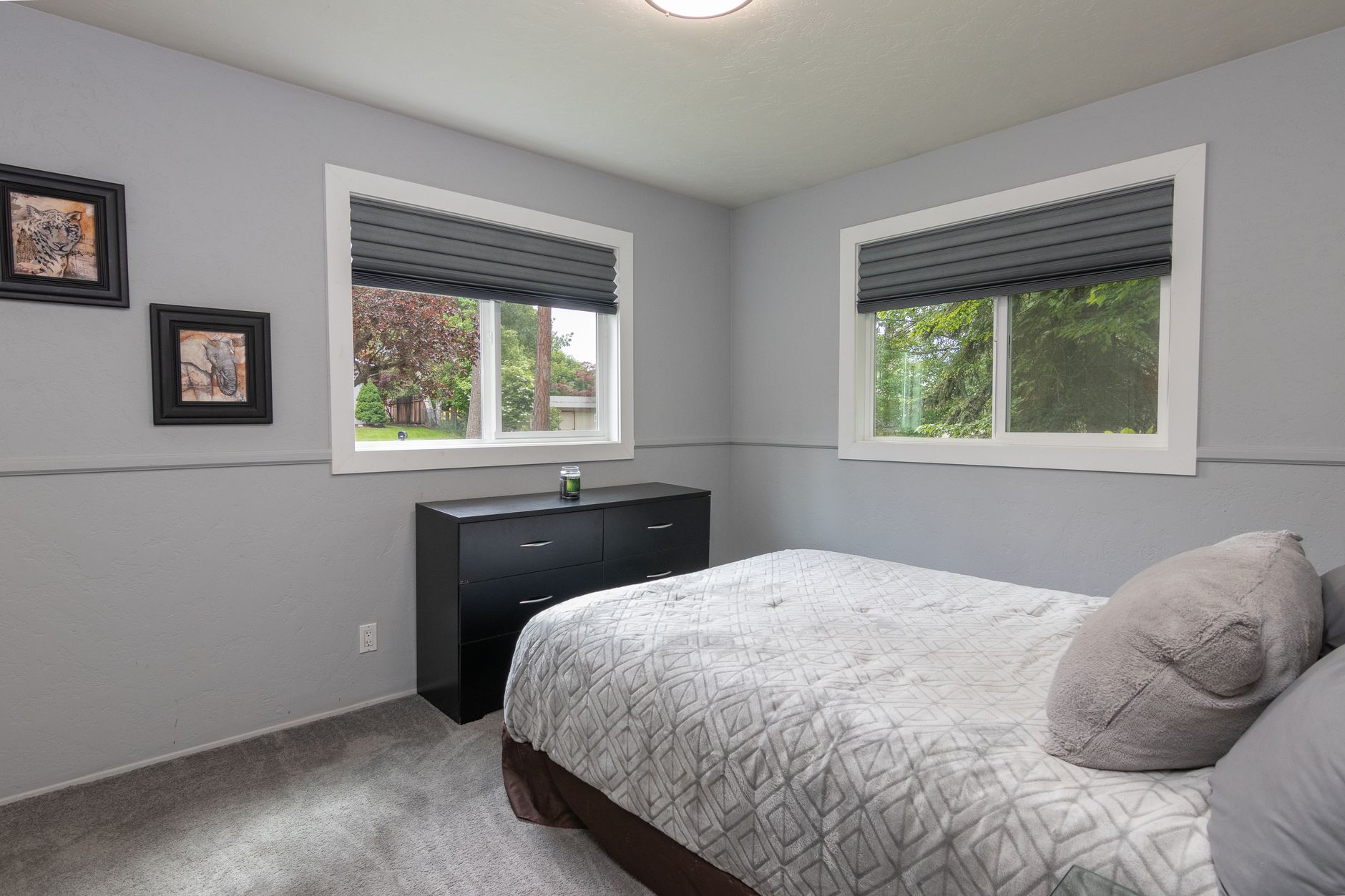
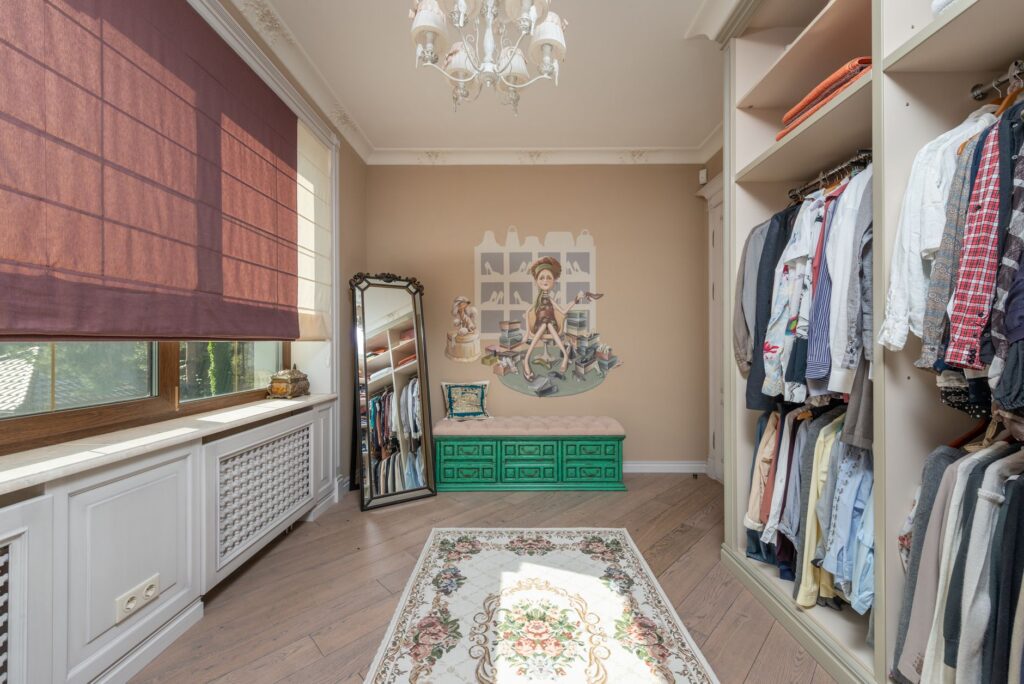
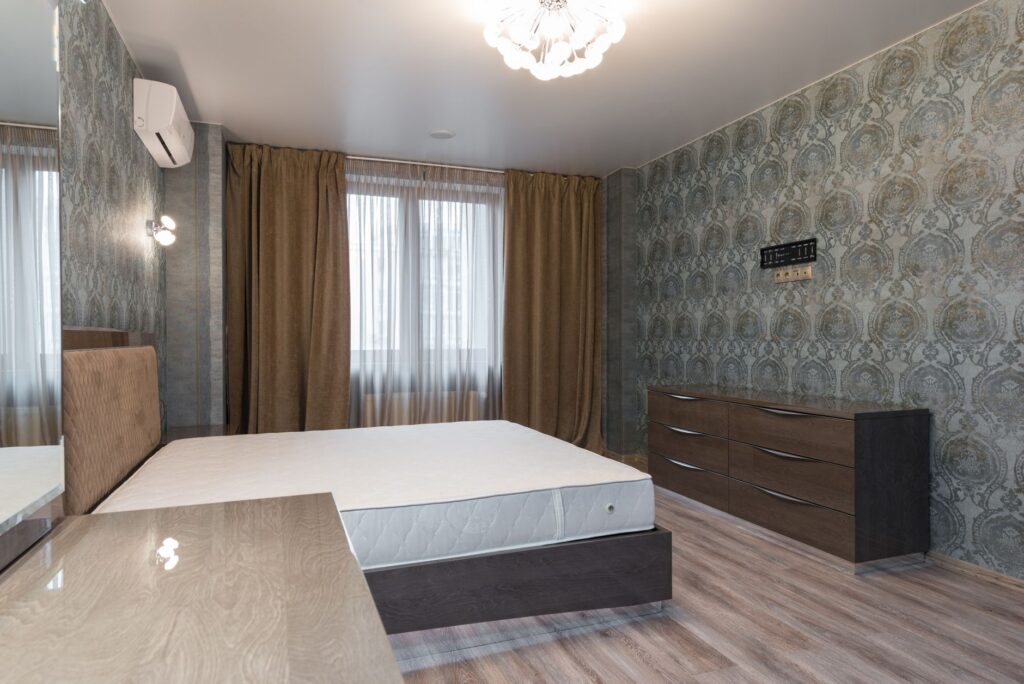
You’ve found the perfect bed frame, but now your old dresser looks completely out of place. Or maybe you’re starting fresh and wondering whether you need to buy a matching bedroom set. The truth is, coordinating your dresser and bed frame isn’t about finding exact matches—it’s about creating visual harmony through smart choices about style, material, and proportion.
Match the Style, Not Necessarily the Set
The days of buying complete matching bedroom sets are behind us. Today’s interiors look more curated and interesting when you coordinate pieces rather than match them perfectly. That said, your dresser and bed frame should speak the same design language.
If you have a mid-century modern bed frame with tapered legs and clean lines, look for a dresser with similar characteristics—perhaps one with hairpin legs or streamlined drawer fronts. A traditional sleigh bed pairs well with dressers that have curved details, decorative molding, or classic hardware. Platform beds with low profiles work beautifully with horizontal dressers that echo that modern, ground-hugging aesthetic.
The key details to coordinate include:
Leg style (turned, tapered, block, or no visible legs)
Hardware finish and style (knobs vs pulls, modern vs traditional)
Overall silhouette (chunky and rustic vs sleek and minimal)
Decorative elements (carved details, metal accents, geometric patterns)
Budget-friendly dressers starting around $300-500 often have simpler styling that can actually work in your favor—they’re easier to coordinate. Mid-range options ($600-1,200) typically offer better construction and more distinctive style details. Splurge-worthy pieces ($1,500+) often become statement furniture that can anchor your room’s entire design.
Consider Wood Tones and Finishes
Here’s where many people get stuck: they think wood finishes must match exactly. They don’t. In fact, matching everything perfectly can make your bedroom look like a showroom floor rather than a thoughtfully designed space.
The more effective approach is coordinating undertones. Wood finishes have either warm undertones (red, orange, yellow) or cool undertones (gray, taupe). A warm walnut bed frame pairs beautifully with a honey oak dresser because they share warm undertones, even though they’re different colors. A weathered gray bed works well with a dresser in driftwood or whitewashed finish.
If your bed frame is painted or upholstered, you have more freedom. A white upholstered bed pairs with virtually any dresser finish, while a painted black metal frame can handle everything from natural wood to glossy lacquered surfaces.
One helpful rule: limit yourself to two or three wood tones in a single bedroom. More than that, and the space starts feeling chaotic rather than eclectic.
Get the Height and Scale Right
Even if the style and finish are perfect, the wrong proportions will throw off your entire bedroom. Your dresser should feel balanced with your bed, not competing for attention or disappearing into insignificance.
Most dressers fall between 30-40 inches tall, which works well with standard bed frames where the top of the mattress sits around 24-30 inches from the floor. Your dresser should ideally be slightly lower than the top of your mattress, creating a stepped visual flow that leads the eye naturally across the room.
Width matters too. A king-size bed with a substantial headboard needs a dresser with some visual weight—typically at least 48 inches wide. A full or queen bed in a smaller room pairs better with a narrower dresser (36-42 inches) so the pieces don’t overwhelm the space. If your bed frame has a dramatic headboard or footboard, choose a dresser with simpler lines so it doesn’t compete. Conversely, if your bed is a simple platform style, you can go bolder with dresser details.
Think About the Full Picture
Your dresser and bed frame don’t exist in isolation. The best pairings consider your nightstands, lighting, and overall room aesthetic. If you’re adding nightstands, they typically work best when they coordinate more closely with the dresser than the bed—they’re both case goods serving similar functions.
Consider your room’s architectural details too. A bedroom with traditional crown molding and baseboards generally looks more cohesive with furniture that has some decorative detail. Modern spaces with clean lines and minimal trim suit sleeker furniture profiles.
The finish on your existing furniture also guides your choices. If you already have a dark espresso dresser you love, choosing a bed frame in a complementary finish (perhaps medium walnut or even black metal) creates intentional coordination without forced matching.
At the end of the day, choosing a dresser that works with your bed frame comes down to creating visual relationships through style, finish, and scale. Trust your eye—if two pieces feel good together when you see them in the same space, they probably work. The goal isn’t perfection; it’s creating a bedroom that feels pulled together and authentically yours.
Understanding your bed frame style helps tremendously—our guide comparing panel beds and platform beds breaks down the key design differences.
Frequently Asked Questions
Does my dresser have to match my bed frame exactly?
No, your dresser doesn’t need to match your bed frame exactly. In fact, perfectly matched bedroom sets can look dated. The key is coordinating finishes, styles, and proportions so the pieces feel intentionally paired rather than randomly collected.
Should a dresser be the same height as the bed frame?
A dresser should typically be lower than the top of your mattress, usually between 30-40 inches tall. This creates good visual balance and makes the dresser more functional. If your dresser is too tall, it can overwhelm the bed and make the room feel top-heavy.
Can you mix wood finishes in a bedroom?
Yes, mixing wood finishes is perfectly acceptable and often creates more visual interest than matching everything. The trick is to vary the tones intentionally—pair a warm oak bed with a cooler walnut dresser, for example. Just avoid mixing more than three different wood tones in one room.
What if my bed frame is upholstered?
Upholstered bed frames pair beautifully with wooden dressers since there’s no wood finish to match. Focus on coordinating the dresser with the room’s overall style and the hardware or leg style of the bed. A tufted velvet bed works well with both modern and traditional dressers depending on your aesthetic.
Should dresser hardware match bed frame hardware?
Matching hardware creates cohesion but isn’t mandatory. If your bed frame has visible metal accents like nailhead trim or metal legs, choosing a dresser with similar metal finishes (brass, black, chrome) ties the pieces together nicely. This is especially important in modern or industrial bedrooms.
Shopping for a dresser for your child’s room feels different than buying one for yourself. You’re not just thinking about today—you’re wondering if it’ll survive the toddler years, hold up through elementary school, and maybe even make it to the teenage bedroom. The good news? With the right approach, you can find a dresser that […]
Adding a dresser to your walk-in closet can transform it from a simple hanging space into a fully functional dressing room. But unlike choosing a dresser for your bedroom, closet dressers have different requirements—they need to fit within existing dimensions, complement built-in systems, and maximize storage without creating obstacles. Whether you’re designing a new closet […]
Floating dressers have become the darling of modern bedroom design, and for good reason. They create visual breathing room, make cleaning underneath a breeze, and bring that clean-lined aesthetic everyone’s after. But choosing one involves more than picking something that looks sleek in a photo—you’re dealing with wall-mounting logistics, weight limits, and making sure your […]