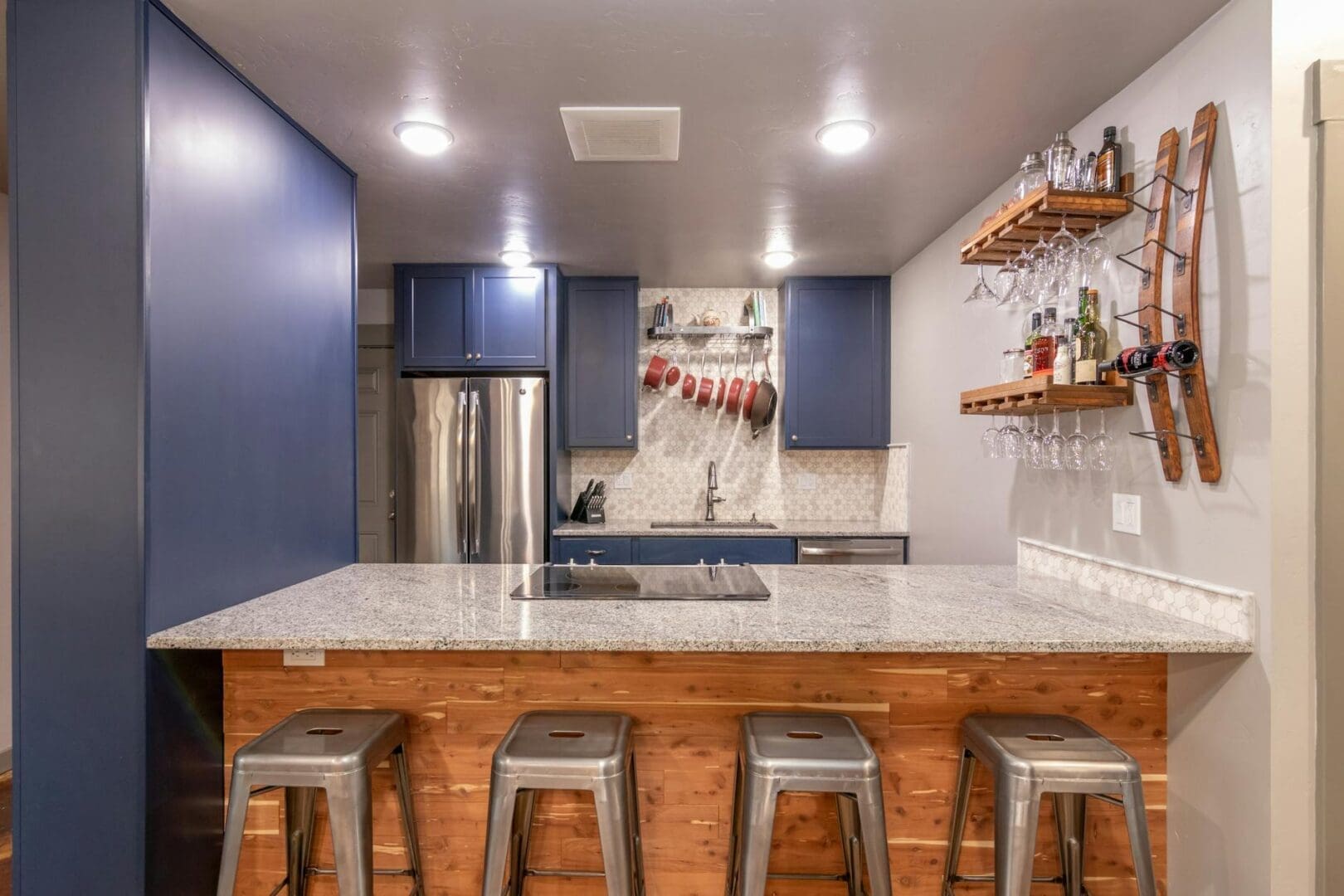
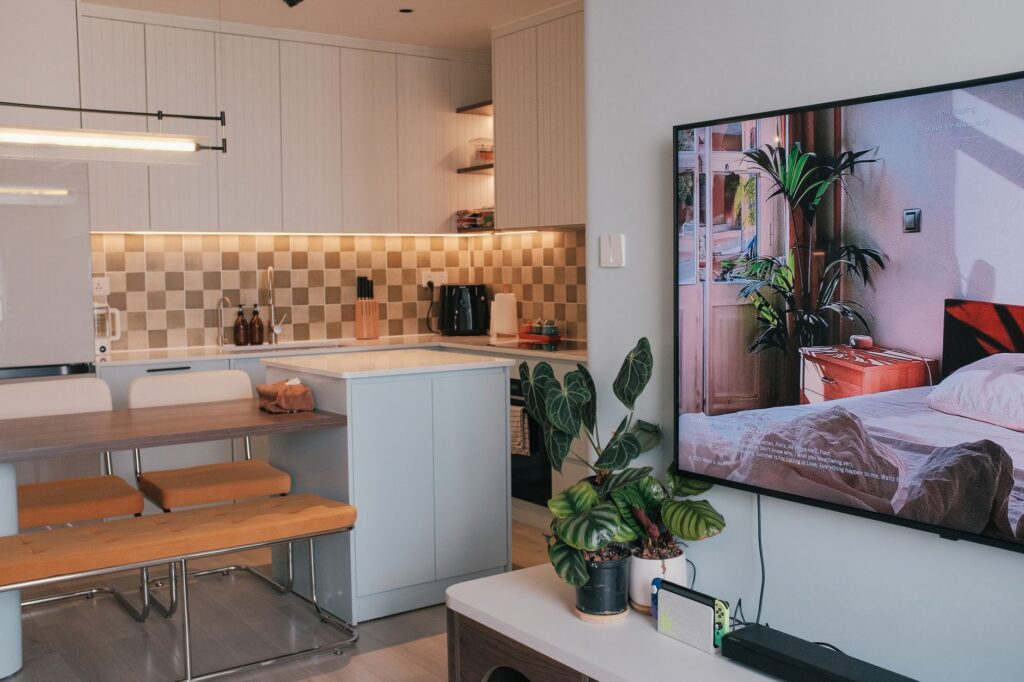
If you’re eyeing a kitchen island that doubles as a dining spot, you’re thinking smart. The right island can transform your kitchen into the heart of your home—a place where kids do homework while you prep dinner, where friends gather with wine glasses, where quick breakfasts happen before everyone scatters. But choose wrong, and you’ll end up with an awkward piece that crowds your kitchen or leaves diners bumping elbows. Here’s how to find an island that actually works for eating, not just looking good in photos.
Size and Clearance: Getting the Footprint Right
Before you fall for any style, pull out the measuring tape. You need at least 36 inches of clearance on all sides of your island for comfortable traffic flow—42 to 48 inches is even better if multiple cooks share the space. For the island itself, plan on 24 inches of width per seated person. A family of four needs at least a 96-inch long island if you want everyone eating together, though 108 inches gives you comfortable elbow room.
Height matters more than most people realize. Standard counter height (36 inches) works with 24-inch counter stools, while bar height (42 inches) requires 30-inch bar stools. Counter height feels more casual and works better for kids, while bar height creates better separation between the cooking and dining zones. If your island has multiple levels—a raised bar on one side—you get the best of both worlds.
Seating Style and Comfort
The overhang determines whether dining at your island feels pleasant or cramped. You need a minimum 12-inch overhang for knees, but 15 to 18 inches is the sweet spot for comfortable dining. Anything less and people’s knees hit the cabinetry; anything more and you’ll need corbels or support posts to prevent sagging.
Think about who’s actually using this space. Backless stools (budget: $80-150 each, mid-range: $150-300, splurge: $300+) tuck away neatly but aren’t ideal for lingering over meals. Low-back or counter-height chairs offer more support for longer sits, though they won’t slide under the counter as tidily. If you have young kids, look for stools with footrests—dangling feet get uncomfortable fast.
Corner seating rarely works as well as it looks in showrooms. People end up feeling boxed in, and it’s awkward for conversation. Stick with one or two straight sides for seating.
Materials That Make Sense for Dining
Your island top needs to handle both food prep and actual eating, which rules out some pretty but impractical options. Quartz hits the sweet spot—it’s nonporous, stain-resistant, and doesn’t need sealing like granite or marble. Expect $50-100 per square foot installed for quality quartz.
Butcher block brings warmth and works beautifully for casual dining, but it requires regular oiling and isn’t ideal right next to the stove where hot pans land. Many people solve this with a butcher block dining section and quartz near the cooktop.
For the base, painted or stained wood cabinets are kitchen standards, running $150-400 per linear foot depending on quality. Freestanding islands with open shelving or a furniture-style base (around $800-2,500 for quality pieces) add character and make the dining aspect feel more intentional, less like eating at a work surface.
Storage and Functional Extras
Since you’re committing this much floor space, maximize the utility. Deep drawers on the kitchen-facing side keep pots accessible while you cook. The dining side can have shallow drawers for placemats and napkins, open shelving for cookbooks, or even wine storage. Skip upper cabinets or shelving on the dining side—nobody wants to stare at clutter while eating.
Built-in outlets are surprisingly useful for plugging in laptops during homework sessions or keeping phones charged during meals. Outlets that pop up from the countertop or mount on the side keep cords from trailing across your dining surface.
Your kitchen island should work as hard as you do. When it’s sized right for your space, comfortable for actual dining, and built with materials that handle daily life, it becomes that spot everyone gravitates toward. Measure twice, think through how your household actually uses the kitchen, and choose an island that makes room for both cooking and connecting.
There’s something about farmhouse chandeliers that just works in a dining room—they bring warmth without being fussy, character without feeling overdone. But with so many styles calling themselves “farmhouse,” from sleek metal cages to chunky wood beam fixtures, figuring out which one belongs above your table can feel surprisingly tricky. The right chandelier should anchor […]
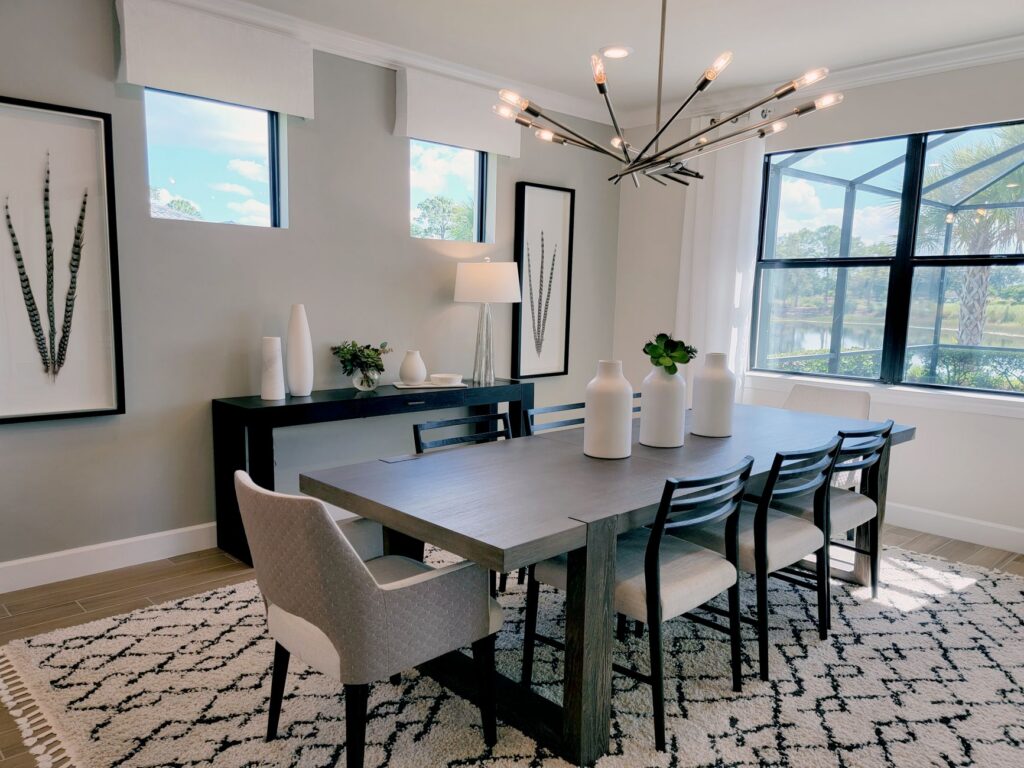
A sputnik chandelier makes a serious statement in a dining room—all those radiating arms and exposed bulbs create instant drama and mid-century appeal. But with so many variations in size, arm count, and finish, choosing the right one for your space can feel overwhelming. Get it right, though, and you’ve got a showstopper that pulls […]
When every square foot counts, bringing furniture into a small apartment feels like a high-stakes game of Tetris. You need storage desperately, but you’re terrified of making your space feel even more cramped. A sideboard can be the perfect solution—if you choose the right one. Let’s walk through exactly what to look for so you […]