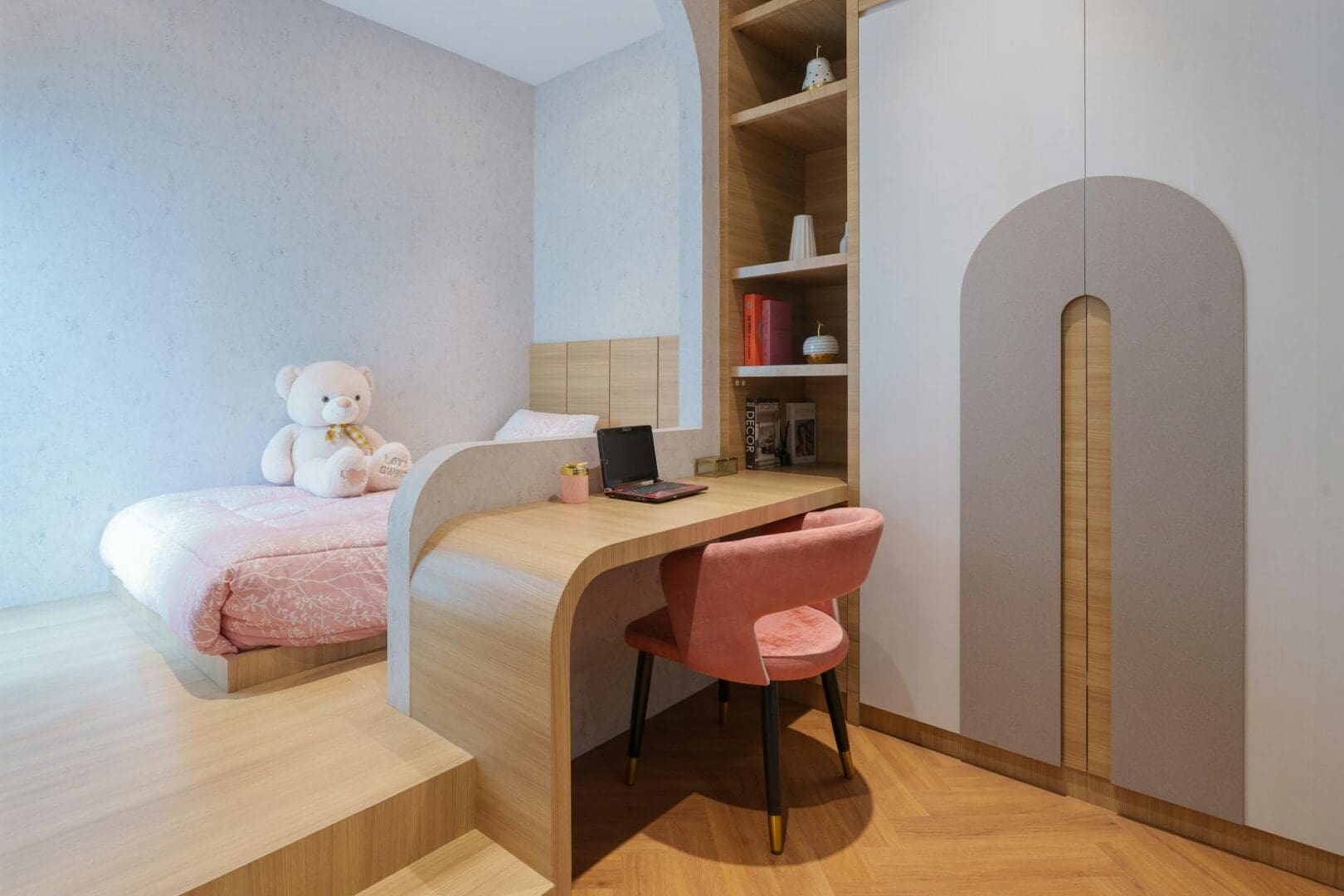
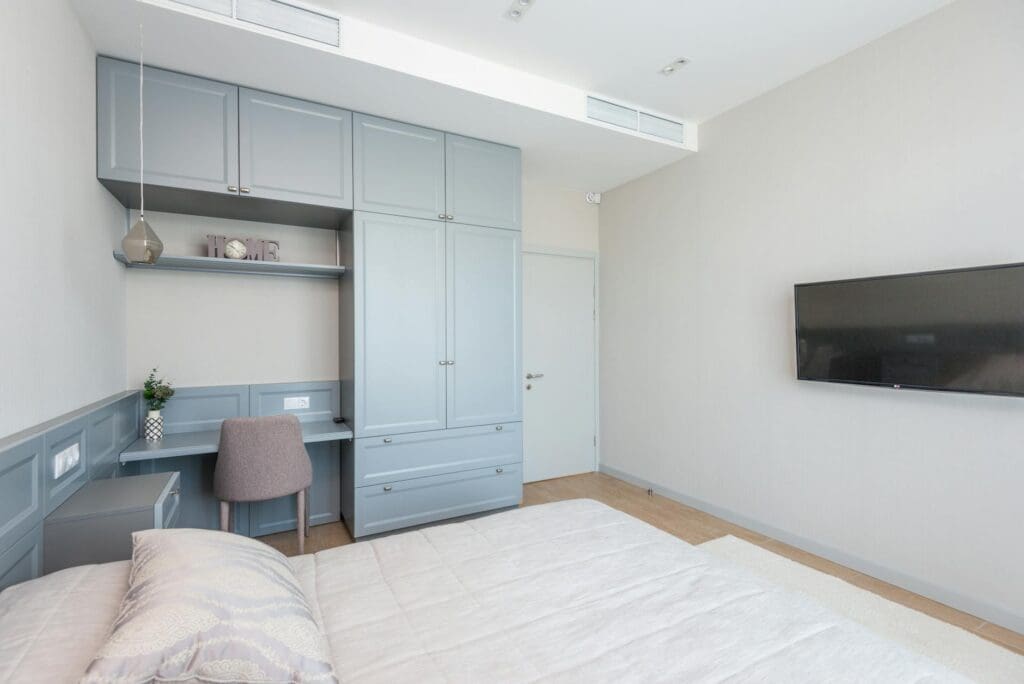
Whether your child is tackling multiplication tables or building elaborate Lego cities, the right desk can make all the difference. A good kids desk needs to do more than just hold a laptop—it should grow with your child, contain the inevitable clutter, and create a space where they actually want to sit down and focus. Here’s what to look for when shopping for a desk that’ll serve your family well for years to come.
Size and Height Matter More Than You Think
The biggest mistake parents make is buying a desk that’s either too small for the space or the wrong height for their child. Your child’s feet should rest flat on the floor (or on a footrest), with their elbows at a 90-degree angle when their hands are on the desk surface. For most elementary-aged kids, that means a desk height of about 22-25 inches, while older kids and teens need something closer to standard adult height at 28-30 inches.
As for surface area, think about how your child actually works. A compact 36-inch wide desk might work for simple homework, but if they’re spreading out art supplies, textbooks, and a laptop simultaneously, you’ll want at least 42-48 inches of width. Depth matters too—30 inches gives enough room for a monitor or laptop plus workspace in front without feeling cramped.
Adjustable vs. Fixed Height Desks
This is where your budget and timeline come into play. Adjustable-height desks typically run $150-400 and can adapt as your child grows from age 5 to 15, making them excellent value if you’re planning long-term. Look for models with easy adjustment mechanisms—some use hand cranks, others have pneumatic levers, and the smoothest (and priciest) offer electric height adjustment.
Fixed-height desks are more affordable, usually $80-250, and work well if you’re buying for an older child who’s close to their adult height, or if you’re okay replacing the desk in a few years. Many parents buy a standard-height desk and use an adjustable chair to get the ergonomics right, which can be a practical middle-ground approach.
Storage Solutions Built In
Kids accumulate stuff—pencils, markers, scissors, folders, chargers, fidget toys, random rocks they found outside. A desk with thoughtful storage keeps the workspace functional instead of chaotic. Here’s what actually gets used:
Drawers: At least one deep drawer for notebooks and folders, plus a shallow drawer with compartments for supplies
Shelving: Open cubbies or hutches keep books and frequently-used items within reach without cluttering the work surface
Cable management: Grommets or built-in channels for tablet chargers and lamp cords prevent the tangled mess that drives everyone crazy
Hooks or side panels: For hanging backpacks, headphones, or a small bulletin board
Budget desks under $100 often skimp on storage, giving you just a flat surface. Mid-range options ($150-300) typically include drawers and some shelving. Splurge-worthy desks ($300-500) offer clever solutions like pull-out keyboard trays that double as extra workspace and modular storage that reconfigures as needs change.
Material and Durability
Kids aren’t always gentle with furniture, so construction quality matters. Solid wood desks are the most durable and can handle everything from marker accidents to aggressive erasing—expect to pay $250-600 for quality pieces. Engineered wood (MDF or particle board with veneer) keeps costs down to $80-250 and works fine for lighter use, though edges can chip over time.
Metal-frame desks with laminate tops hit a sweet spot for durability and price ($120-280). They’re stable, easy to clean, and hold up well to daily wear. Whatever material you choose, check that the finish is easy to wipe clean—desks with textured or unfinished surfaces become grime magnets.
Style-wise, choose something relatively neutral that won’t feel babyish in two years. Clean-lined desks in white, natural wood, or gray work in most rooms and adapt as your child’s tastes evolve from dinosaurs to K-pop.
The perfect kids desk balances your child’s current needs with room to grow, offers enough storage to keep chaos manageable, and fits your space and budget. Focus on getting the ergonomics right first, then consider adjustability and storage based on how long you expect the desk to last. When you find one that checks these boxes, you’ve found a piece that’ll support countless homework sessions, art projects, and maybe even a few fort-building adventures along the way.
Your home office deserves better than a jumble of mismatched shelves and that filing cabinet you’ve been meaning to replace. A storage wall unit can transform your workspace from chaotic to composed, giving you dedicated spots for books, supplies, tech equipment, and all those things that currently live in piles. The trick is finding one […]
If you’re drowning in papers, sticky notes, and file folders that haven’t been touched in months, you’re not alone. The promise of a paper-free office isn’t just about going digital—it’s about choosing furniture and storage solutions that support a cleaner, more organized way of working. The right setup makes it easier to maintain that clutter-free […]
Your back is telling you it’s time. After months of working from home in a dining chair or that hand-me-down seat from college, you’re ready to invest in a proper office chair. The good news? You don’t need to spend $800 on a Herman Miller to get real ergonomic support. The under-$300 market is packed […]