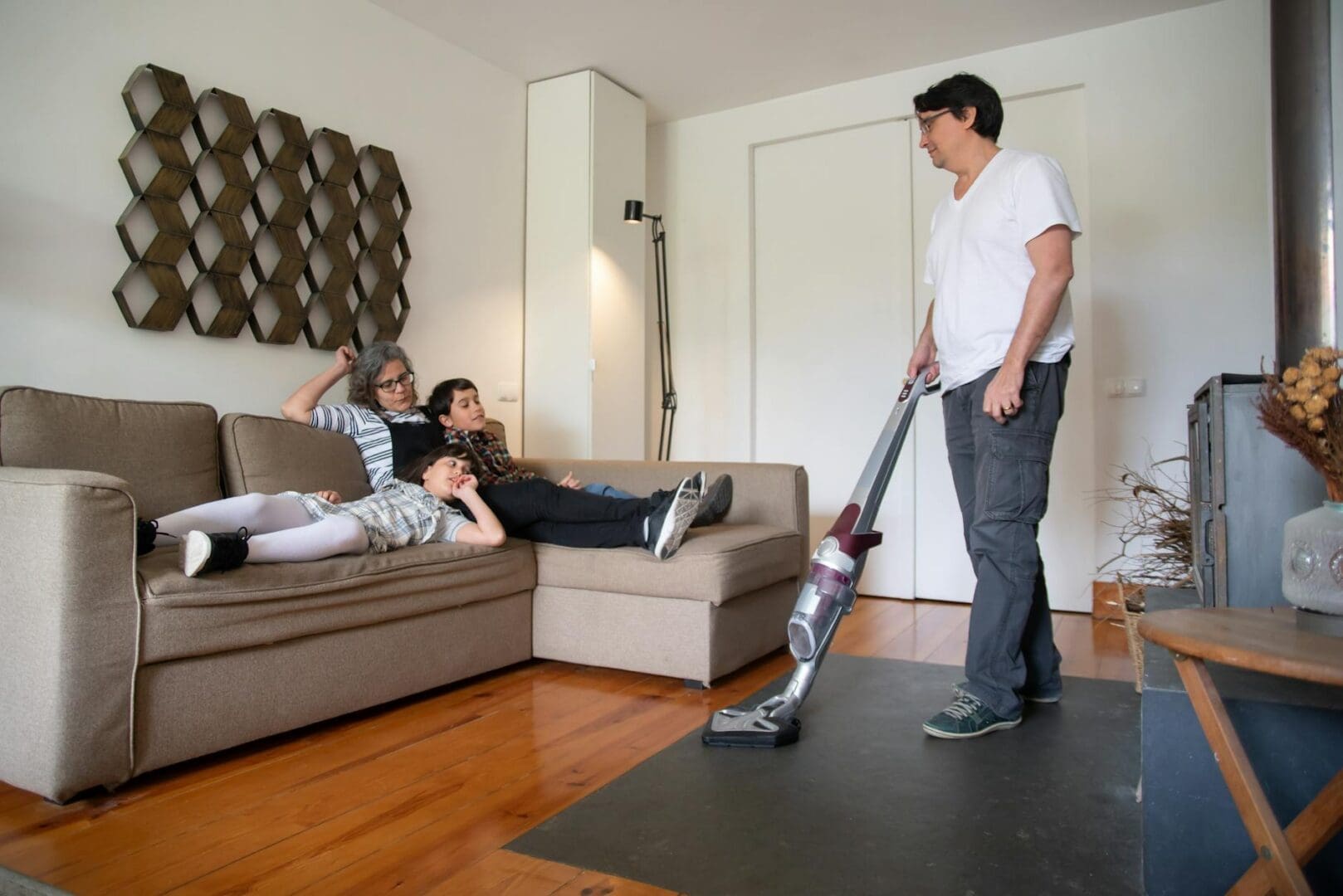
Crumbs on the couch after movie night. Pet hair on the stairs. That mysterious pile of dust bunnies under the dining table. These small messes don’t warrant dragging out your full-size vacuum, but they’re too much for a dustpan. A handheld vacuum bridges that gap beautifully, handling quick cleanups without the hassle. The trick is finding one that’s powerful enough to actually work but light enough that you’ll reach for it without hesitation.
Suction Power and Motor Strength
The whole point of a handheld vacuum is to clean efficiently, so suction power matters more than almost anything else. Look for models rated at least 20-30 air watts for basic dusting and crumbs. If you’re dealing with pet hair, embedded dirt in upholstery, or car interiors, you’ll want 40+ air watts.
Some manufacturers use volts or amps instead of air watts, which can be confusing. A good rule of thumb: budget models around $30-50 typically handle light debris on hard surfaces but struggle with carpets. Mid-range options from $70-120 offer noticeably stronger suction and work well on furniture and low-pile rugs. Premium handheld vacuums at $150-250 rival full-size vacuums for raw power and can tackle just about anything you throw at them.
Pay attention to whether the vacuum maintains consistent suction as the dustbin fills. Cheaper models often lose power quickly, meaning you’ll need to empty them more frequently to maintain performance.
Battery Life and Charging Convenience
Nothing’s more frustrating than grabbing your handheld vacuum only to find it dead. Cordless models dominate the market now, and battery performance varies wildly. Most budget handhelds run for 10-15 minutes, which sounds short but is usually enough for quick cleanups. Mid-range models typically offer 20-30 minutes of runtime.
Here’s what really matters: charging time and battery type. Lithium-ion batteries charge faster (usually 2-4 hours) and hold their charge better when stored, compared to older nickel-cadmium batteries that can take 16+ hours to recharge. Some premium models include wall-mount charging docks that keep the vacuum ready to grab, which dramatically increases how often you’ll actually use it.
If you’re considering a corded handheld vacuum, you’ll get unlimited runtime and consistent power, but you’re tethered to an outlet. These work well for car cleaning or workshop use but feel less convenient for quick household pickups.
Weight, Ergonomics, and Dustbin Capacity
A handheld vacuum you’ll actually use needs to feel comfortable in your hand. Most weigh between 2-5 pounds, and that difference is noticeable when you’re holding it overhead to clean ceiling fan blades or reaching under furniture. If possible, test the grip in-store or check reviewer comments about hand fatigue.
The dustbin size creates a balancing act. Larger bins (around 0.6-0.8 liters) mean less frequent emptying but add weight and bulk. Smaller bins (0.3-0.4 liters) keep the vacuum lightweight but need constant emptying. For most households, something in the 0.5-liter range hits the sweet spot.
Look for dustbins that empty with one hand and don’t require you to touch the debris. Bagless models are almost universal now, which saves money on replacement bags, but you’ll want a filter you can rinse and reuse rather than constantly buying replacements.
Attachments and Specialized Features
The right attachments transform a basic handheld vacuum into a versatile cleaning tool. A crevice tool is nearly essential for getting into tight spaces between cushions and along baseboards. An upholstery brush helps lift pet hair from furniture without scratching fabric. A rubber nozzle works wonders for picking up hair from surfaces where it tends to stick.
Wet/dry capability adds versatility if you’re prone to liquid spills, though these models tend to be bulkier. HEPA filters matter if you have allergies, as they trap fine particles that basic filters recirculate. Some newer models include LED lights that illuminate dark corners under furniture, which sounds gimmicky but proves surprisingly useful.
For pet owners, look specifically for models marketed for pet hair with motorized brush rolls. Standard suction alone struggles with the way fur embeds in fabric and carpet.
The best handheld vacuum is the one you’ll grab without thinking twice. Prioritize the features that match your most common messes, whether that’s pet hair on furniture, crumbs in the kitchen, or car interior cleanups. A reliable model in the $80-120 range typically offers the best balance of power, battery life, and convenience for most households. If you’re dealing with particularly stubborn debris or want something that doubles as a detail tool, investing in a premium option pays off in daily use.
If you’re shopping for an air purifier, you’ve probably noticed two main technologies dominating the market: ionic purifiers and HEPA filters. Both promise cleaner air, but they work in completely different ways—and when it comes to safety, one has a clear advantage. Let’s break down what you actually need to know to make the right […]
You know you want cleaner air at home, but standing in front of air purifier options can feel overwhelming. Should you invest in a whole house system that integrates with your HVAC, or stick with portable units you can move from room to room? The answer depends on your home’s layout, your budget, and how […]
Did You Know? The Declaration of Independence Was Likely Written in a Windsor Chair As America celebrates 250 years of independence, it’s worth looking at one of the quieter witnesses to that history: the humble Windsor chair. Thomas Jefferson is said to have drafted the Declaration of Independence while seated in an unusual revolving Windsor […]