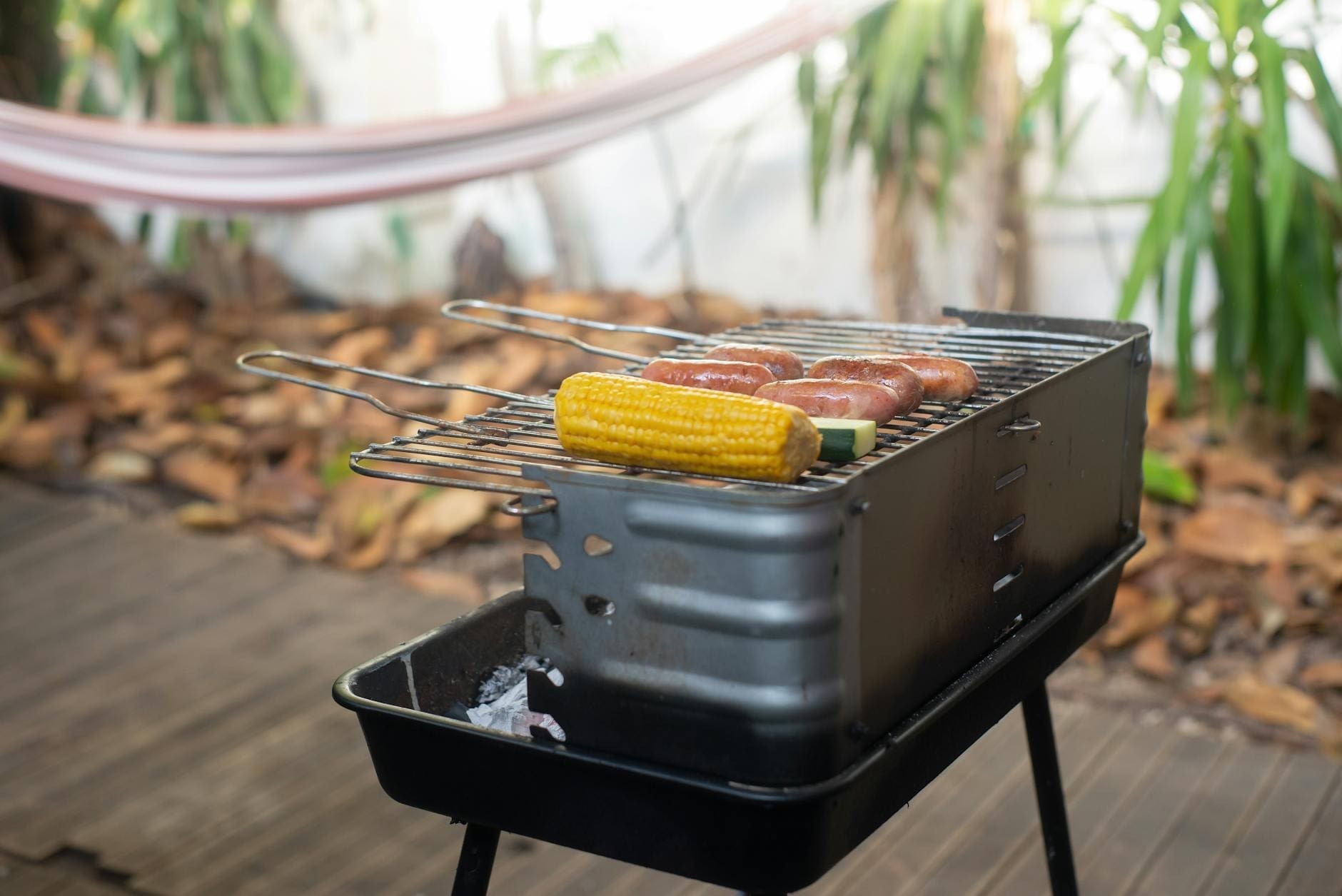
Standing in front of a wall of grills at the store (or scrolling through endless options online), you’re facing one of the great backyard debates: gas or charcoal? Both have devoted fans who swear they’ve made the right choice. The truth is, there’s no universal “better” option—just the one that fits your lifestyle, budget, and how you actually want to cook outdoors.
Flavor vs. Convenience: What Matters Most to You?
Let’s start with what really matters: how you’ll use your grill. Charcoal grills deliver that authentic smoky flavor that gas simply can’t replicate. If you’re the type who wants restaurant-quality char on your steaks or enjoys the ritual of building a fire, charcoal might be calling your name. Kettle grills start around $100-$150 for a quality Weber, while ceramic kamado-style grills run $300-$2,000+ for brands like Big Green Egg.
Gas grills win on convenience, hands down. Press a button, wait 10 minutes, and you’re cooking. No lighter fluid, no ash cleanup, and precise temperature control with a simple dial turn. This matters on busy weeknights when you just want to grill chicken without a production. Entry-level gas grills start around $200-$300, mid-range models with better burners and construction run $500-$1,200, and premium stainless steel options can reach $3,000 or more.
Setup, Storage, and Your Outdoor Space
Your available space plays a bigger role than you might think. Gas grills typically need room for the propane tank (or a natural gas line hookup), and they’re bulkier overall. A standard three-burner gas grill needs about 4-5 feet of width. They’re also heavier—expect 100-150 pounds for a mid-range model—which makes moving them around your patio more difficult.
Charcoal grills are generally more compact and lighter, making them ideal if you’re working with a small balcony, have limited storage, or want to take your grill camping or tailgating. A 22-inch kettle grill fits almost anywhere and can be moved with one hand. However, you’ll need a place to store charcoal and dispose of ash, which can be messy if you’re not prepared.
Consider your local regulations too. Some apartments and condos restrict charcoal grills entirely due to fire codes, while gas models may get a pass.
Ongoing Costs and Maintenance Reality
The sticker price is just the beginning. Gas grills need propane refills (a 20-pound tank costs $15-$25 and lasts for roughly 18-25 hours of cooking) or a natural gas connection. You’ll also eventually replace burners, igniters, and grates—budget $50-$200 every few years for parts, depending on how much you use it.
Charcoal costs add up differently. A bag of quality lump charcoal or briquettes runs $15-$30 and might last 5-8 grilling sessions. If you grill twice a week during summer, you’re looking at $100-$200 annually just for fuel. Charcoal grills have fewer parts to break, but they require more hands-on maintenance—cleaning ash after each use and occasionally replacing grates that rust or warp from high heat.
Weather resistance matters for both. Gas grills with stainless steel burners and cast iron grates hold up better in humid climates. Charcoal grills are simpler mechanically but still need covers and proper storage to prevent rust.
Cooking Style and Versatility
Think about what you actually cook outside. Gas grills excel at direct, high-heat grilling—burgers, hot dogs, vegetables, and quick weeknight meals. Multi-burner setups let you create heat zones for more control, and some models include side burners for sauces or side dishes.
Charcoal grills shine with slow-cooking and smoking. The ability to arrange coals for two-zone cooking makes them perfect for ribs, brisket, or whole chickens. You can add wood chunks for extra smoke flavor—something you can approximate with gas using smoker boxes, but it’s never quite the same.
If you’re someone who grills year-round in all weather, gas wins for sheer practicality. Lighting charcoal in the rain or snow is nobody’s idea of fun. But if grilling is a weekend event and you enjoy the process as much as the food, charcoal’s hands-on nature becomes part of the appeal.
Your best grill is the one you’ll actually use. Gas makes sense if you value quick meals and easy cleanup, especially for frequent grilling. Charcoal is worth the extra effort if flavor and traditional grilling are non-negotiable. Consider how you cook now, how much outdoor space you have, and what fits your budget beyond just the initial purchase. Either choice will serve you well—as long as it matches your real-world grilling habits.
If you’ve been hitting snooze repeatedly or dragging yourself out of bed feeling groggy, you’re not alone. Waking up to a jarring alarm in a dark room works against your body’s natural rhythms, especially during winter months. A sunrise alarm clock mimics natural dawn, gradually filling your room with light to ease you awake. But […]
Waking up at 3 a.m. with a sweaty neck and flipping your pillow to the cool side for the fourth time isn’t just annoying—it’s robbing you of quality sleep. If you’re a hot sleeper, your pillow might be trapping heat against your head and neck all night long. The good news? The right cooling pillow […]
If you’re working from home or spending hours at your desk, you’ve probably noticed that not all chairs are created equal. That bargain office chair seemed fine at first, but now your back aches by mid-afternoon. You’ve been eyeing ergonomic chairs, but with price tags that can run three to ten times higher than regular […]