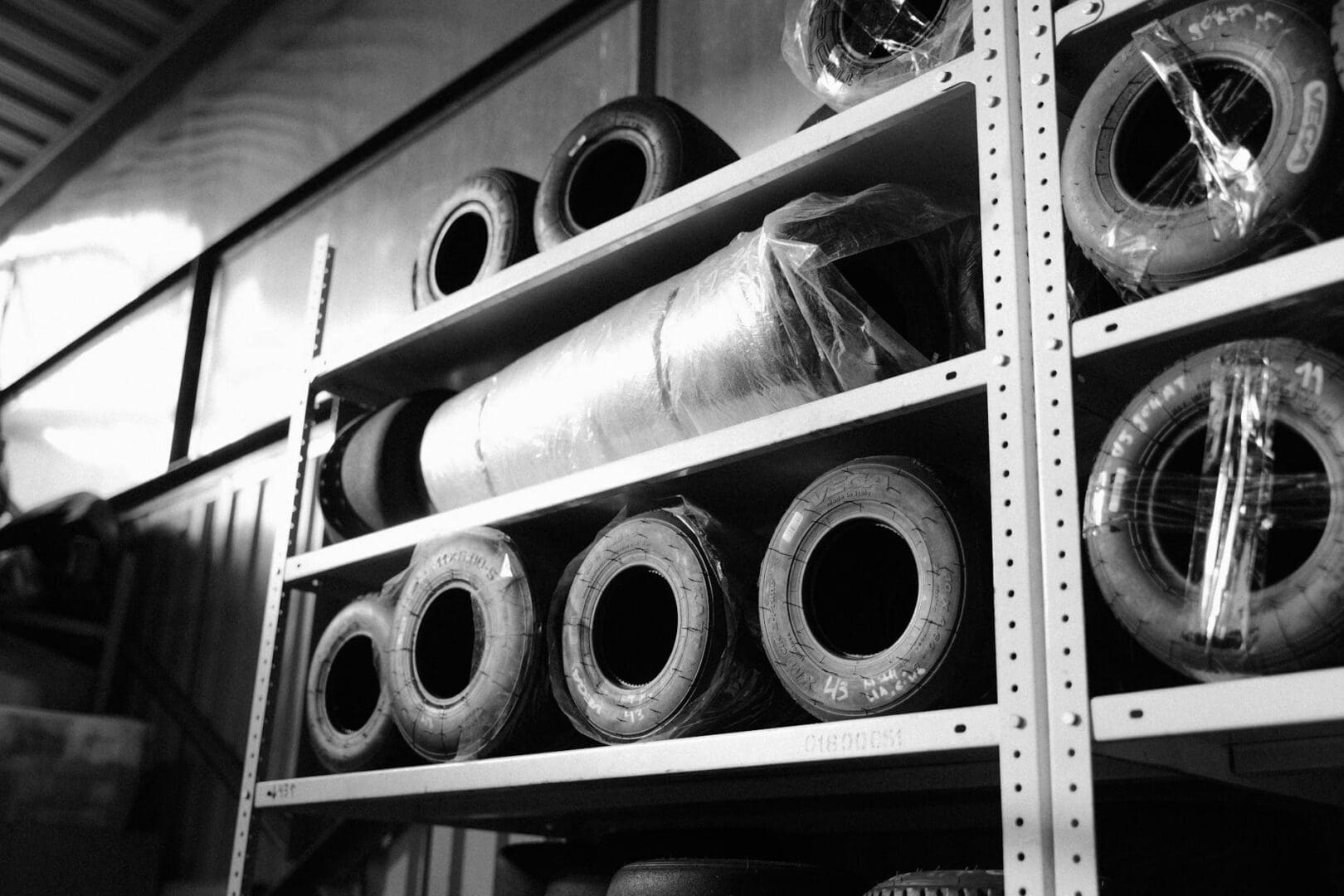
A cluttered garage is frustrating. You know you have that camping gear somewhere, but finding it means moving boxes, stepping over tools, and maybe giving up entirely. The right shelving system transforms your garage from chaotic storage dump to organized workspace—but only if you choose shelving that fits your actual needs, not just what looks good in the store.
Understanding Weight Capacity and What You’re Really Storing
This is where most people get it wrong. They buy shelving based on price or appearance, then wonder why it’s sagging under the weight of paint cans and power tools within a year.
Light-duty shelving handles up to 200 pounds per shelf and works fine for plastic storage bins, sporting equipment, and seasonal decorations. You’ll find these units in the $50-150 range, and they’re perfectly adequate if you’re not storing anything heavy.
Medium-duty shelving supports 500-800 pounds per shelf and handles most homeowner needs: toolboxes, automotive supplies, gardening equipment, and larger storage containers. Expect to pay $150-400 for quality units in this category.
Heavy-duty shelving manages 1,000+ pounds per shelf. This is what you need for bulk storage, large equipment, or if you’re using your garage as a workshop. These systems start around $300 and go up from there, but they’re built to last decades.
Before you shop, actually think about what you’re storing. A shelf full of holiday decorations weighs far less than one stacked with half-used paint cans and bags of concrete.
Materials: Steel, Resin, or Wood
Steel shelving is the workhorse option. It resists rust (especially powder-coated or galvanized steel), handles heavy loads, and lasts practically forever. Wire shelving prevents dust buildup and allows air circulation, which matters if you’re storing anything that shouldn’t get musty. Solid steel shelves cost more but handle uneven items better—nothing falls through the gaps.
Resin or heavy-duty plastic shelving appeals to people who worry about rust or want something lighter to assemble. It handles moisture well and costs less upfront (often $75-200 for a decent unit). The tradeoff: lower weight capacity and it can become brittle in extreme temperature swings. Fine for lighter storage, questionable for heavier items.
Wood shelving looks nice and you can build it yourself, but garages are tough on wood. Humidity, temperature changes, and the occasional leak mean you’ll need sealed or treated lumber. It’s the best choice if aesthetics matter or you want custom dimensions, but factor in the extra maintenance.
Freestanding Units vs. Wall-Mounted Systems
Freestanding shelving is the easier choice. No drilling into walls, you can rearrange it whenever you want, and installation takes maybe an hour with basic tools. These units work perfectly well if you have floor space to spare and aren’t storing extremely heavy items that might tip.
Wall-mounted and ceiling-mounted systems maximize space by getting storage off the floor entirely. Overhead garage racks are brilliant for seasonal items and things you rarely access—just make sure you can actually reach them without acrobatics. Wall-mounted shelving handles heavier loads more safely than freestanding units because it’s anchored to studs. The installation requires more effort and some confidence with a drill, but you gain floor space for parking and working.
Track systems offer the most flexibility. You can adjust shelf heights as your needs change and add or remove shelves easily. They cost more initially ($200-600+) but adapt as your storage needs evolve.
Size, Configuration, and Actual Garage Dimensions
Measure your garage before you fall in love with a shelving unit. Standard freestanding units are 48 or 72 inches wide, 24 inches deep, and 72 inches tall. That’s bigger than it sounds when you’re trying to preserve parking space or leave room to walk around your car.
Depth matters more than people realize. Deeper shelves (24 inches) hold larger containers and irregular items, but they eat up floor space. Shallower shelves (12-16 inches) work well for smaller items and keep everything visible and accessible.
Think about vertical space, too. Can you fit a 72-inch unit under your garage door opener? Would shorter, wider shelving make better use of your layout? Corner shelving units maximize awkward spaces that would otherwise go unused.
The right garage shelving depends on what you’re storing, how much weight you’re dealing with, and whether you’re willing to drill into walls. Start with an honest assessment of your heaviest items, measure your available space, and choose a material that matches your budget and climate. Your future self—the one who can actually find the holiday lights in December—will thank you.
If you’ve been hitting snooze repeatedly or dragging yourself out of bed feeling groggy, you’re not alone. Waking up to a jarring alarm in a dark room works against your body’s natural rhythms, especially during winter months. A sunrise alarm clock mimics natural dawn, gradually filling your room with light to ease you awake. But […]
Waking up at 3 a.m. with a sweaty neck and flipping your pillow to the cool side for the fourth time isn’t just annoying—it’s robbing you of quality sleep. If you’re a hot sleeper, your pillow might be trapping heat against your head and neck all night long. The good news? The right cooling pillow […]
If you’re working from home or spending hours at your desk, you’ve probably noticed that not all chairs are created equal. That bargain office chair seemed fine at first, but now your back aches by mid-afternoon. You’ve been eyeing ergonomic chairs, but with price tags that can run three to ten times higher than regular […]