Floating dressers have become the darling of modern bedroom design, and for good reason. They create visual breathing room, make cleaning underneath a breeze, and bring that clean-lined aesthetic everyone’s after. But choosing one involves more than picking something that looks sleek in a photo—you’re dealing with wall-mounting logistics, weight limits, and making sure your beautiful new dresser doesn’t become a safety hazard.
If you’re ready to embrace wall-mounted storage but aren’t sure where to start, here’s what actually matters when shopping for a floating dresser.
Size and Drawer Configuration
The first reality check: floating dressers typically run smaller than their floor-standing cousins. Most range from 40 to 60 inches wide, with depths between 14 and 18 inches. This slimmer profile is partly aesthetic, but it’s also practical—the deeper and heavier the unit, the more demanding the wall mounting becomes.
Think about what you actually need to store. A two-drawer floating dresser works beautifully for essentials like undergarments and accessories, especially in a minimalist bedroom or as a supplement to a closet system. Four to six drawers give you more versatility for folded clothes, linens, or off-season items. Consider drawer depth too—shallow drawers are perfect for smaller items and prevent the chaotic “junk drawer” situation, while deeper drawers accommodate bulkier sweaters and jeans.
Measure your wall space carefully, but also consider proportion. A 40-inch dresser can look lost on a 12-foot wall, while a 60-inch unit might overwhelm a cozy bedroom. Many people find that positioning a floating dresser opposite or perpendicular to the bed creates the most balanced look.
Weight Capacity and Installation Requirements
Here’s where floating dressers get serious: installation isn’t optional, and it’s not always straightforward. These pieces need to be anchored directly into wall studs—standard drywall anchors simply won’t cut it for furniture that might hold 75 pounds of clothing plus the weight of the dresser itself.
Quality floating dressers come with heavy-duty mounting rails or French cleat systems that distribute weight across multiple studs. Look for units rated to hold at least 50-75 pounds when properly installed. Some higher-end models support up to 100 pounds or more. Check what mounting hardware is included—better manufacturers provide professional-grade brackets rather than expecting you to source your own.
Be honest about your DIY skills. If you’re comfortable using a stud finder, level, and drill, and you understand load-bearing principles, you might tackle installation yourself. Otherwise, budget $100-200 for professional installation. It’s worth it for peace of mind, especially if you’re mounting the dresser in a rental where you need to do things right the first time.
One practical note: older homes with plaster walls or homes with metal studs require different approaches than standard wood-framed construction. Know what you’re working with before you buy.
Materials and Construction Quality
A floating dresser takes more structural stress than a floor-standing one, so construction quality matters even more. Solid wood or high-quality plywood construction holds up better over time than particleboard or MDF, though you’ll pay more upfront.
In the budget range ($300-500), you’ll mostly find engineered wood with laminate or wood veneer finishes. These can look great and function well if the joinery is solid and the mounting system is robust. Mid-range options ($500-900) typically offer better drawer glides, thicker panels, and more durable finishes. Splurge-worthy pieces ($900-1,500+) often feature solid wood construction, dovetail joinery, soft-close drawers, and integrated features like power outlets or jewelry organizers.
Pay attention to drawer construction specifically. Drawers should glide smoothly on metal slides rather than cheap plastic tracks. Soft-close mechanisms aren’t just a luxury—they reduce stress on the wall mounting by preventing drawers from slamming. Check that drawer boxes are fully finished inside, not just raw particleboard, which can snag delicate fabrics.
Style and Finish Options
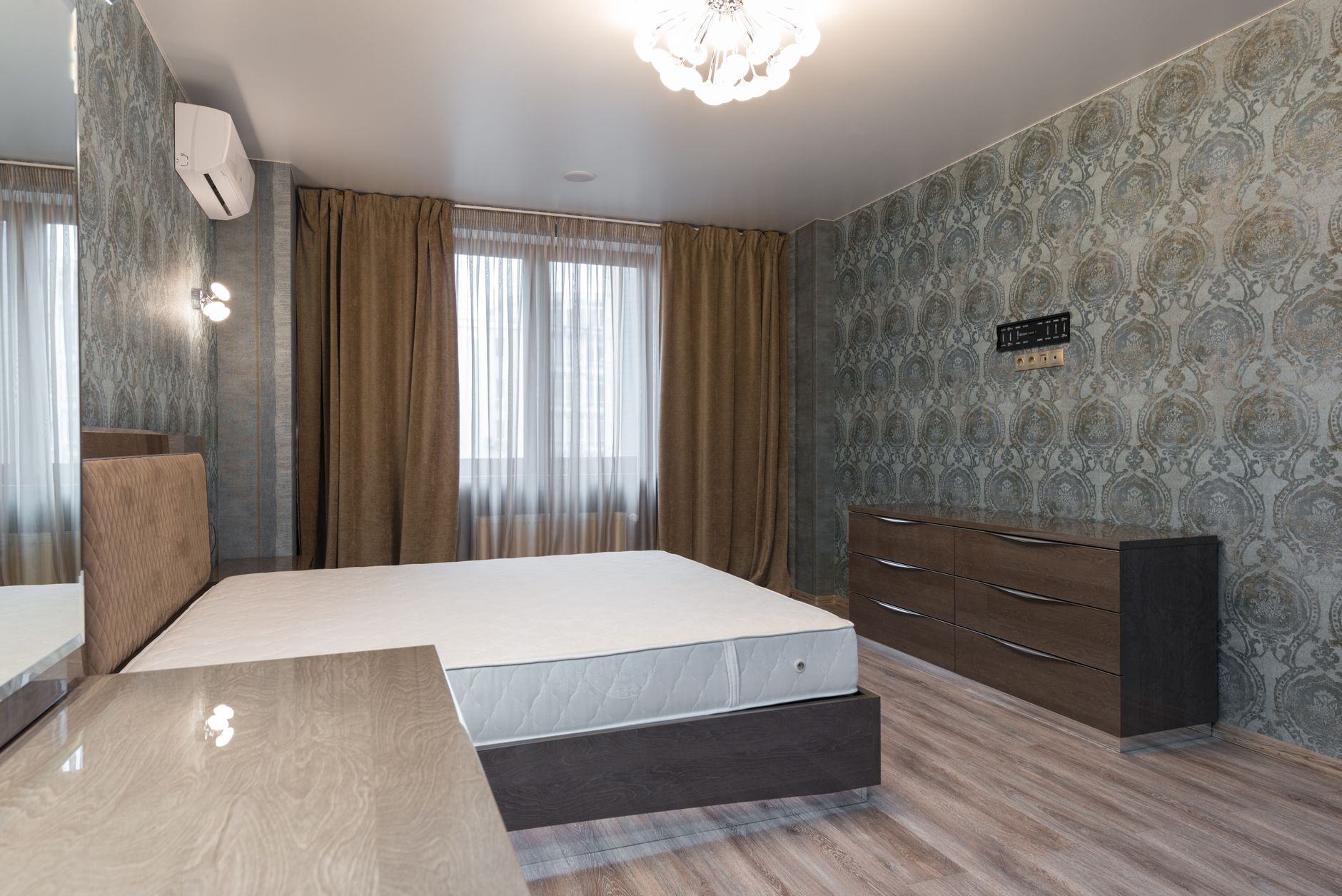
Floating dressers naturally lean modern, but there’s plenty of variation within that aesthetic. Clean-lined designs with slab drawer fronts and minimal hardware offer the most contemporary look. Units with subtle handle cutouts rather than protruding knobs maintain sleek profiles and won’t catch on clothing or bedding.
Wood tones—from light oak to rich walnut—add warmth to modern bedrooms and pair beautifully with other natural materials. White or light gray lacquer finishes create an airy, Scandinavian feel and make small bedrooms feel larger. Matte black or charcoal finishes bring drama and work especially well in larger spaces with good natural light.
Consider how the dresser relates to your other bedroom furniture. It doesn’t need to match exactly, but coordinating wood tones or finishes creates cohesion. Mixed materials—like wood fronts with metal legs or bases—can bridge different style elements in your room.
Some floating dressers include integrated features like open shelving on one end, LED underlighting, or even fold-down desks. These work well if they solve a specific need, but avoid features that complicate installation or add visual clutter unless you’ll actually use them.
Making Your Decision
The right floating dresser balances your storage needs, your wall’s capacity, and your bedroom’s style. Start by confirming your wall can handle the installation—measure stud spacing and consider hiring a professional if you’re uncertain. Choose a size that fits your available wall space while providing adequate storage. Prioritize solid construction and quality mounting hardware over fancy features, especially if this is your first floating furniture piece.
A well-chosen floating dresser transforms your bedroom into a more spacious, modern retreat. With the right preparation and realistic expectations about installation, you’ll wonder why you didn’t make the switch sooner.
Most quality floating dressers can support 50-100 pounds when properly installed into wall studs. The exact weight capacity depends on the mounting system, wall type, and whether the unit is secured to multiple studs. Always check the manufacturer’s specifications before loading.
Do floating dressers need to be mounted to studs?
Yes, floating dressers must be anchored to wall studs for safety and stability. Wall anchors alone aren’t sufficient for the weight of the dresser plus its contents. Professional installation is recommended if you’re unsure about locating studs or drilling into your walls.
Are floating dressers more expensive than regular dressers?
Floating dressers typically cost slightly more than comparable freestanding models due to specialized mounting hardware and construction requirements. Budget options start around $300-400, while high-end designs can reach $1,500 or more. You may also need to factor in professional installation costs.
How high should a floating dresser be mounted?
The ideal height for a floating dresser is 30-36 inches from the floor to the bottom of the unit, similar to standard dresser height. This allows comfortable access to drawers while maintaining the visual lightness that makes wall-mounted furniture appealing. Adjust based on your height and room proportions.
Can you mount a floating dresser on drywall?
You cannot safely mount a floating dresser on drywall alone. The mounting brackets must be secured directly into wall studs to support the weight. If studs aren’t positioned where you want the dresser, you may need to install a mounting board across multiple studs or reinforce the wall.
Shopping for a dresser for your child’s room feels different than buying one for yourself. You’re not just thinking about today—you’re wondering if it’ll survive the toddler years, hold up through elementary school, and maybe even make it to the teenage bedroom. The good news? With the right approach, you can find a dresser that […]
You’ve found the perfect bed frame, but now your old dresser looks completely out of place. Or maybe you’re starting fresh and wondering whether you need to buy a matching bedroom set. The truth is, coordinating your dresser and bed frame isn’t about finding exact matches—it’s about creating visual harmony through smart choices about style, […]
Adding a dresser to your walk-in closet can transform it from a simple hanging space into a fully functional dressing room. But unlike choosing a dresser for your bedroom, closet dressers have different requirements—they need to fit within existing dimensions, complement built-in systems, and maximize storage without creating obstacles. Whether you’re designing a new closet […]