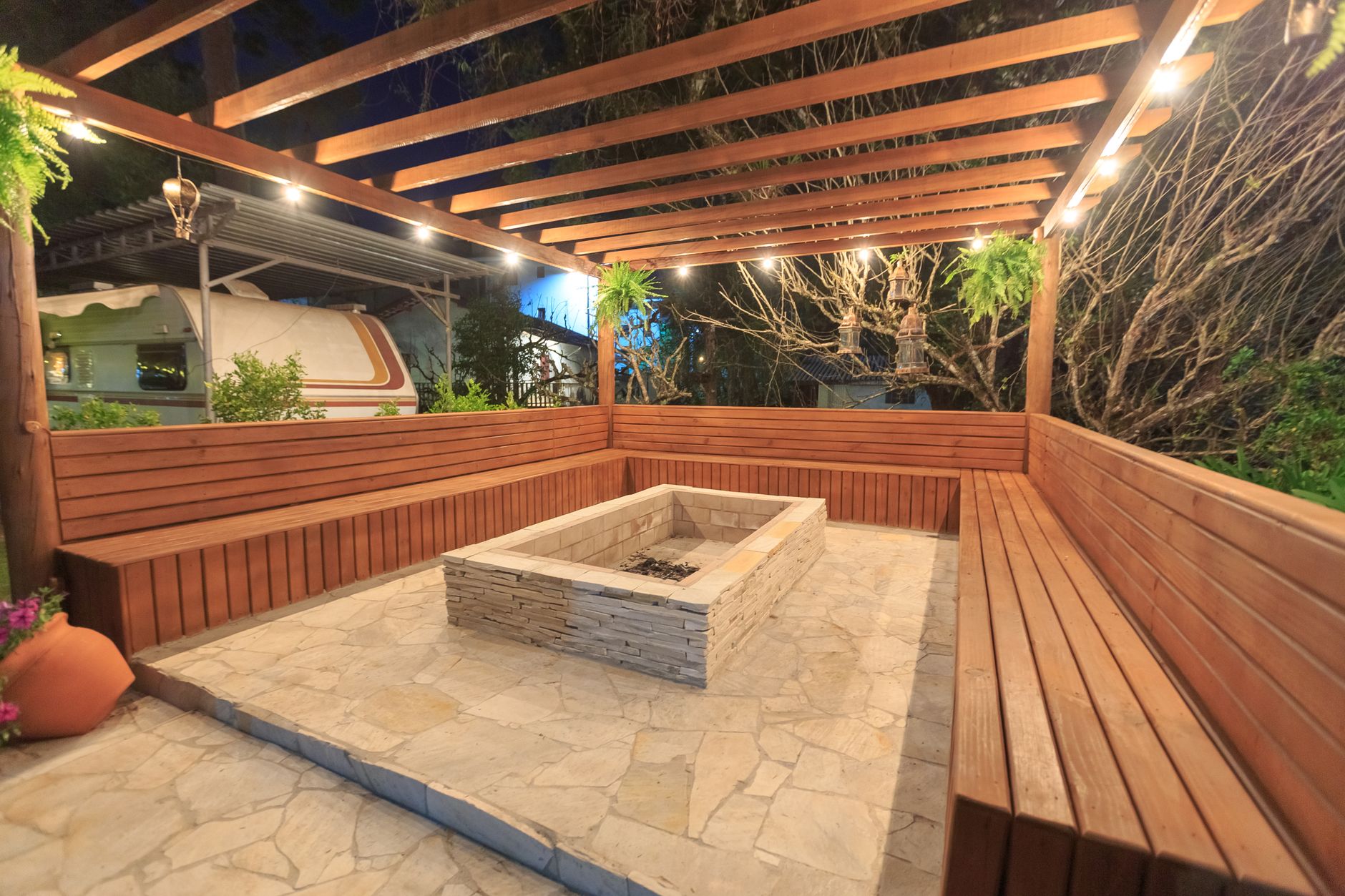
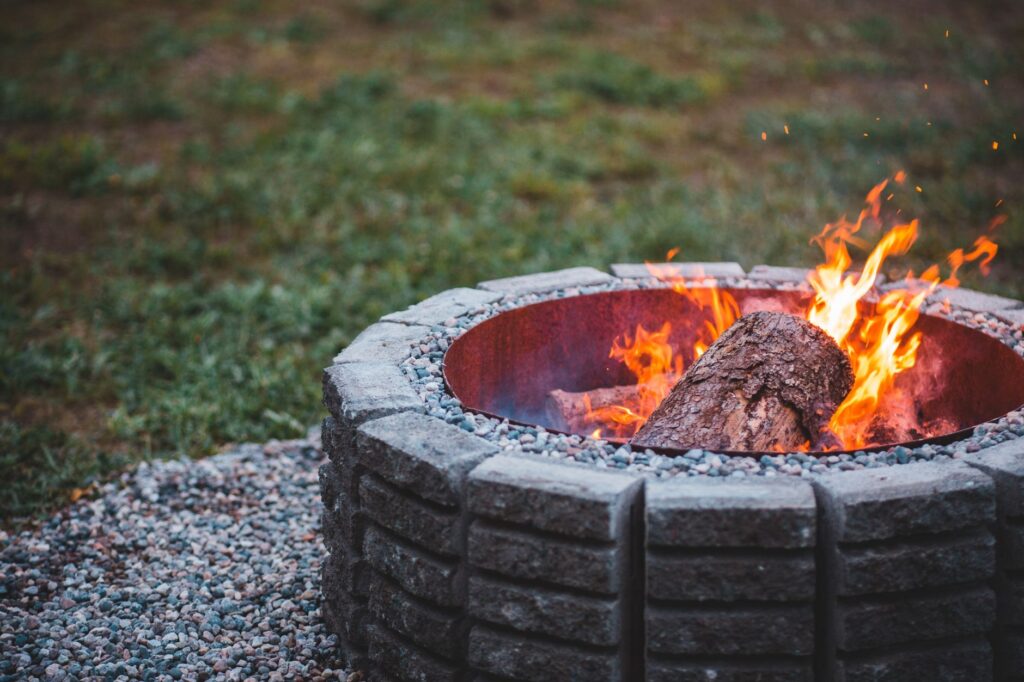
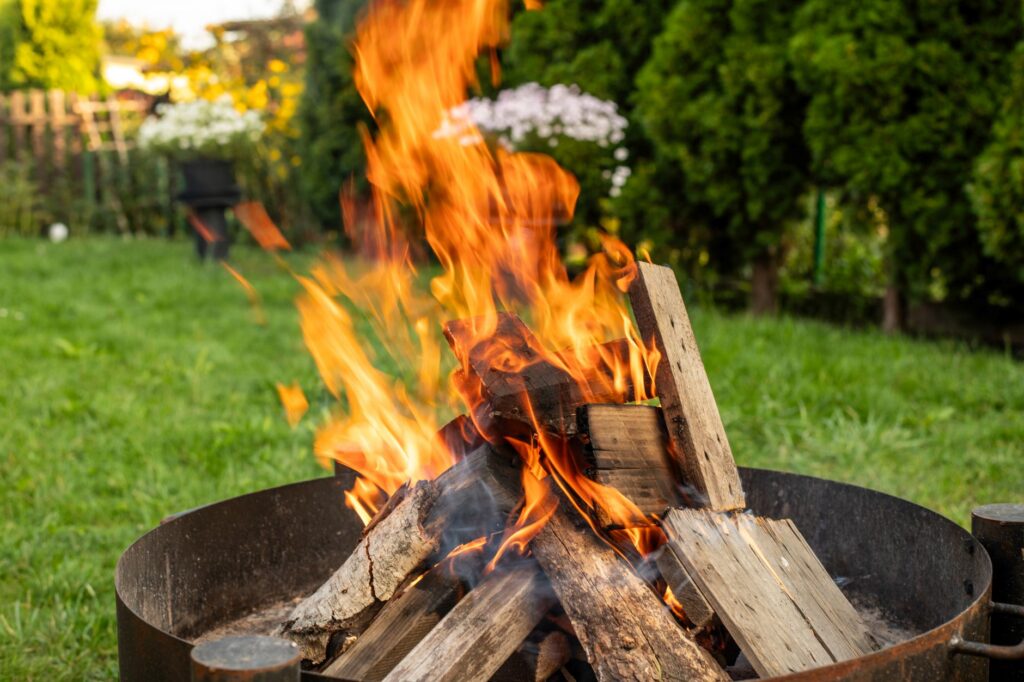
You’d love to add a fire pit to your patio, but you know the drill—your HOA has opinions about everything from mailbox colors to where you park. The good news? Plenty of fire pit options can satisfy both your s’mores cravings and your homeowners association’s rules. You just need to know what to look for before you buy.
Start With Your HOA Rules (Seriously, Read Them First)
Before you fall in love with any fire pit, dig out your HOA covenants and architectural guidelines. Some associations ban fire pits entirely, while others allow them with specific restrictions on fuel type, size, or placement. Many HOAs distinguish between permanent installations and portable units, with different approval processes for each.
Pay attention to these common restrictions: fuel type (wood-burning is often prohibited due to smoke), distance from property lines and structures (usually 10-25 feet), maximum flame height, and whether the fire pit needs a protective cover when not in use. Some communities also have quiet hours or seasonal bans during high fire-risk periods.
If your rules seem vague or outdated, contact your architectural review committee before shopping. Getting pre-approval in writing can save you from an expensive mistake. Include product specifications, photos, and your intended placement when you submit your request—it shows you’re taking the process seriously.
Gas vs Wood: Which Fuel Type Works Best
For HOA communities, gas and propane fire pits are usually your safest bet. They produce minimal smoke, offer instant on-off control, and meet most association requirements without a fight. Natural gas models require professional installation and a gas line, making them more permanent (expect to spend $800-2,500 installed). Propane versions are portable and run on refillable tanks, with quality models ranging from $300-1,200.
Wood-burning fire pits create that authentic campfire experience, but they’re often deal-breakers in HOAs due to smoke, flying embers, and ash cleanup. If your rules do allow wood-burning, look for models with tall spark screens and consider smokeless designs that use improved airflow to reduce smoke output significantly. These typically cost $200-600 for portable bowls or $400-1,500 for larger smokeless systems.
Gel fuel and bioethanol fire pits are newer options that produce real flames without smoke or gas lines. They work well on smaller patios and cost $150-600, but the fuel itself can be pricey for regular use. These might fly under the radar in strict communities since they’re often classified as decorative elements rather than fire features.
Size, Style, and Safety Features That Matter
HOA-approved fire pits tend to be more polished and integrated into your outdoor space. Fire pit tables are particularly popular because they look like regular patio furniture when not in use—many feature covers that transform the fire bowl into a dining or coffee table surface. These range from $500-2,000 and often include built-in ignition systems and storage for propane tanks.
Tabletop fire pits are the most discreet option, sitting right on your patio table and creating ambiance without drawing attention. At $80-300, they’re budget-friendly and rarely require HOA approval since they’re clearly portable. Just check that open flames on furniture are allowed.
Whatever style you choose, prioritize safety features that demonstrate responsibility: tempered glass wind guards, automatic shut-off valves, stable weighted bases, and CSA or UL certification. These details not only keep you safer but also show your HOA that you’re serious about compliance. Keep your fire pit at least 10 feet from your home, pergolas, and fences, and always have a fire extinguisher handy.
Making It Work Within Your Budget and Rules
The sweet spot for HOA-friendly fire pits is usually in the $400-800 range, where you’ll find quality gas models with good safety features and attractive designs that look intentional rather than improvised. Budget propane options under $300 can work fine, but they often have a more utilitarian appearance that might not pass architectural review in appearance-focused communities.
If you’re willing to invest $1,000-2,000, you’ll find fire pit tables and premium gas models with features like electronic ignition, weather-resistant finishes, and designs that genuinely enhance your outdoor space. These higher-end options tend to sail through HOA approval because they look like thoughtful additions rather than afterthoughts.
The reality is that finding a fire pit for an HOA community requires a bit more homework than usual, but it’s absolutely doable. Focus on clean-burning fuel types, choose a design that complements your home’s style, and get your approval in writing before you buy. Once you’ve checked those boxes, you’ll be enjoying cozy evenings around the fire without worrying about a stern letter in your mailbox.
Fire pit rules vary widely by HOA, with some allowing them with restrictions and others banning them entirely. You’ll need to check your specific HOA covenants, architectural guidelines, and local fire codes before purchasing. Many HOAs permit gas or propane models while restricting wood-burning options.
What type of fire pit is best for HOA restrictions?
Gas and propane fire pits are typically the most HOA-friendly options since they produce less smoke and are easier to control. Tabletop models and fire pit tables with built-in safety features often meet HOA requirements better than traditional wood-burning bowls. Look for models with automatic shut-off valves and spark arrestors.
Do I need HOA approval before buying a fire pit?
Yes, most HOAs require written approval before installing any permanent outdoor fixtures, including fire pits. Even portable models may need approval if they’re visible from the street or common areas. Submit your request with product specifications, placement plans, and safety measures to your architectural review committee.
Can my HOA make me remove my fire pit?
Yes, if your fire pit violates HOA rules or wasn’t properly approved, the association can require its removal. They may also impose fines for non-compliance. Always get written approval before purchasing to avoid this situation.
What safety features should a HOA fire pit have?
Look for fire pits with stable bases, protective screens or glass barriers, and easy-access shut-off controls. Models with heat shields, non-tip designs, and UL or CSA safety certifications are more likely to meet HOA safety standards. Keep a fire extinguisher nearby and maintain proper clearance from structures.
You’ve got a gas fire pit, and it’s…functional. But with a bed of fire glass, it could be the focal point of your entire backyard. Fire glass transforms those basic blue flames into something that looks professionally designed—like you hired a landscape architect instead of just following the installation manual. The question is: which fire […]
There’s nothing quite like gathering around a fire pit on a cool evening—until a gust of wind sends smoke billowing in everyone’s face or scatters embers across your deck. If your backyard gets regular breezes (or worse, full-on gusts), choosing the right fire pit takes a bit more thought. The good news? With the right […]
When you’re renting, creating an inviting outdoor space can feel like a puzzle with half the pieces missing. You can’t exactly drill into the siding or rewire the porch—but you absolutely can have beautiful lighting that makes your patio or balcony feel like home. Battery operated outdoor lights give you all the ambiance without any […]