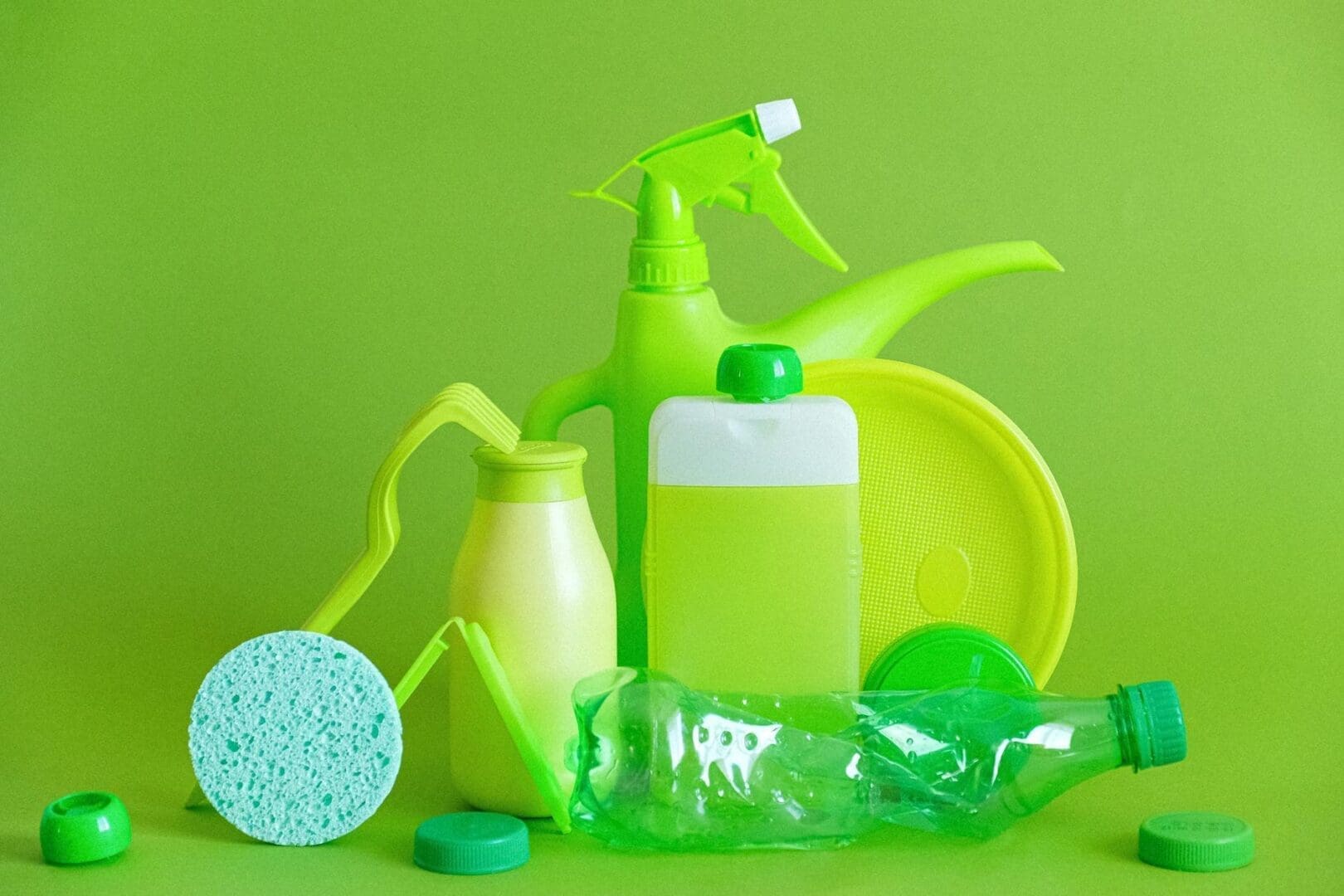
You want a clean home, but not at the expense of your family’s health or the planet. The cleaning product aisle can feel overwhelming, with every bottle claiming to be “natural,” “green,” or “eco-friendly.” Some of these claims are genuine, while others are just clever marketing. Here’s how to cut through the noise and choose products that actually deliver on their environmental promises.
Understanding Certifications and What They Really Mean
Third-party certifications are your best friend when shopping for green cleaning products. Look for EPA Safer Choice, Green Seal, or EWG Verified labels—these organizations have done the homework for you, testing products against rigorous environmental and health standards.
The EPA Safer Choice label means a product meets strict criteria for human and environmental safety without sacrificing performance. Green Seal certification evaluates everything from ingredient toxicity to packaging sustainability. EWG Verified products score well on the Environmental Working Group’s health database, avoiding ingredients linked to asthma, allergies, or hormone disruption.
Be wary of vague terms like “natural” or “eco-friendly” without certification backing them up. These aren’t regulated, so any company can slap them on a label. If you see these claims, flip the bottle over and check the ingredients list yourself.
Reading Ingredient Lists Like a Pro
The best eco-friendly cleaning products list all their ingredients clearly—that’s actually your first green flag. Transparency matters. Companies hiding their formulas often have something to hide.
Ingredients to avoid include phthalates (often hidden in “fragrance”), chlorine bleach, ammonia, and triclosan. These can irritate respiratory systems, disrupt hormones, or create toxic fumes when mixed with other cleaners. Also skip products with nonylphenol ethoxylates (NPEs), which don’t break down easily in water systems.
What you want to see: plant-derived surfactants like coconut-based cleansers, citric acid, vinegar, baking soda, essential oils for scent, and enzymes for breaking down stains. Products with biodegradable formulas break down quickly after going down your drain, reducing water pollution.
Budget-friendly options often list simpler ingredients—sometimes that’s actually better. A $4 bottle with five recognizable ingredients can outperform a $15 bottle with a complicated chemical cocktail.
Packaging and Concentration Considerations
Here’s something most people miss: the greenest cleaning product is the one you don’t have to buy repeatedly. Concentrated formulas reduce packaging waste and shipping emissions. A small bottle of concentrated all-purpose cleaner you dilute at home can replace five ready-to-use spray bottles.
Look for products in recycled or recyclable packaging. Glass bottles and aluminum containers are infinitely recyclable. Some brands now offer refill stations or mail-back programs where you can reuse the same bottle indefinitely. These typically cost 20-30% less per ounce than buying new bottles each time.
Powder and tablet formats are having a moment, and for good reason. They ship lighter (less fuel burned in transport), take up less space, and eliminate the need to ship water across the country. You add water at home. A box of dishwasher tablets or laundry powder often costs $8-20 and reduces plastic waste significantly compared to liquid equivalents.
Performance vs. Price: What to Expect
Let’s be honest—you need products that actually clean. The good news is that eco-friendly options have come a long way in the past decade. You don’t have to choose between your values and a sparkling kitchen anymore.
For everyday cleaning, budget options ($3-8) like simple castile soap, vinegar-based sprays, or baking soda pastes handle most jobs beautifully. Mid-range products ($8-15) from established green brands offer convenience and proven performance across tougher tasks. Splurge options ($15-25) often feature concentrated formulas or innovative packaging systems that save money long-term.
Start with multi-purpose cleaners rather than buying specialized products for every surface. One good all-purpose spray can handle countertops, sinks, appliances, and bathroom surfaces. Add a toilet cleaner and floor wash, and you’ve covered 90% of your cleaning needs for under $30.
Making the switch to environmentally friendly cleaning products doesn’t mean overhauling everything at once. Replace conventional products as they run out, starting with the ones you use most often. Read those labels, trust legitimate certifications, and remember that the most sustainable choice is often the simplest one. Your home will be just as clean, and you’ll breathe easier knowing exactly what you’re bringing into your space.
If you’re shopping for an air purifier, you’ve probably noticed two main technologies dominating the market: ionic purifiers and HEPA filters. Both promise cleaner air, but they work in completely different ways—and when it comes to safety, one has a clear advantage. Let’s break down what you actually need to know to make the right […]
You know you want cleaner air at home, but standing in front of air purifier options can feel overwhelming. Should you invest in a whole house system that integrates with your HVAC, or stick with portable units you can move from room to room? The answer depends on your home’s layout, your budget, and how […]
Did You Know? The Declaration of Independence Was Likely Written in a Windsor Chair As America celebrates 250 years of independence, it’s worth looking at one of the quieter witnesses to that history: the humble Windsor chair. Thomas Jefferson is said to have drafted the Declaration of Independence while seated in an unusual revolving Windsor […]