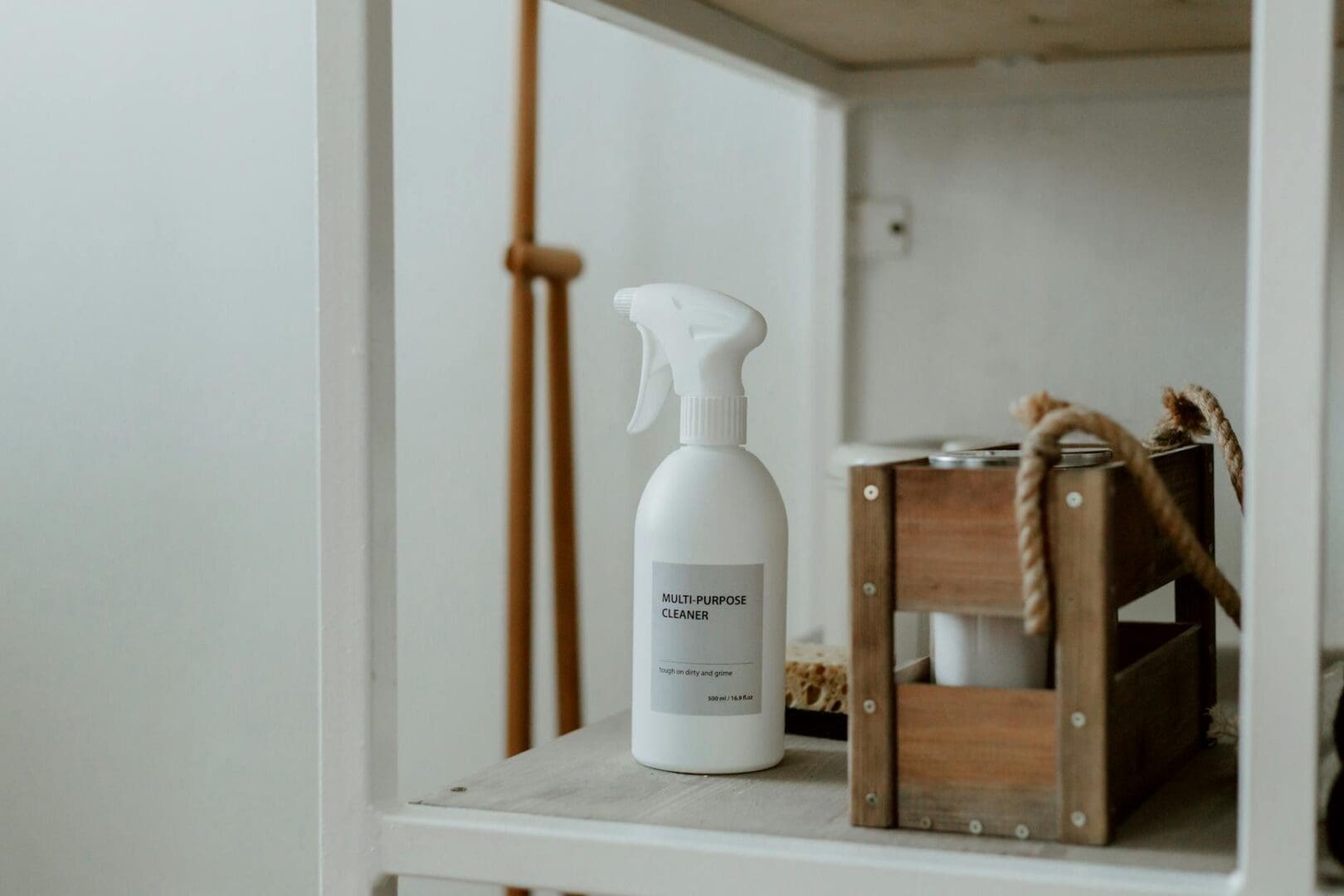
You want to keep your home spotless without exposing your family to harsh chemicals or harming the environment. But standing in the cleaning aisle, staring at bottles covered in green leaves and vague promises, it’s hard to know what actually makes a cleaning product eco-friendly. Some brands charge premium prices for “green” products that aren’t much different from conventional cleaners, while others deliver genuine environmental benefits. Here’s how to cut through the marketing and choose products that are truly better for your home and the planet.
Understanding What “Eco-Friendly” Actually Means
Not all green cleaning products are created equal. The term “eco-friendly” isn’t regulated, so any brand can slap it on their label. What you’re really looking for are products with third-party certifications like EPA Safer Choice, Green Seal, or EWG Verified. These certifications mean the product has been independently tested and meets strict standards for ingredient safety and environmental impact.
Look for products that are biodegradable, made with plant-based ingredients, and free from phosphates, phthalates, and synthetic fragrances. Truly eco-friendly cleaners should also come in recyclable or refillable packaging. Products labeled “natural” or “green” without any certification might just be greenwashing—marketing tactics designed to look eco-friendly without delivering real benefits.
Budget-friendly certified options typically run $4-8 per bottle, while premium brands with refill systems range from $12-25. The mid-range sweet spot of $8-12 usually offers reliable performance with legitimate green credentials.
Key Ingredients to Seek Out and Avoid
The best eco-friendly cleaners rely on proven natural ingredients that actually work. Look for products containing vinegar, citric acid, plant-derived surfactants, essential oils, and baking soda. These ingredients cut through grease, disinfect surfaces, and leave your home fresh without toxic residues.
On the flip side, avoid products containing ammonia, chlorine bleach, triclosan, synthetic fragrances (often listed as “fragrance” or “parfum”), and quaternary ammonium compounds. These chemicals can trigger allergies, irritate skin and lungs, and persist in the environment long after they go down your drain. Some are even endocrine disruptors linked to health problems with long-term exposure.
Many effective eco-friendly cleaners use hydrogen peroxide or plant-based alcohols as their disinfecting agents. These work just as well as harsher chemicals for everyday cleaning, though they may require a slightly longer contact time on surfaces.
Concentrated Formulas and Refill Systems
One of the smartest eco-friendly choices you can make is switching to concentrated cleaning products or refill systems. Concentrated cleaners reduce plastic waste and shipping emissions since you’re not paying to transport water across the country. You simply add water at home using a reusable spray bottle.
Many brands now offer tablet or powder concentrates that dissolve in water, eliminating single-use plastic bottles entirely. While the upfront cost might be $15-30 for a starter kit, refill tablets typically cost $1-2 each, making them economical over time. You’ll also free up storage space since concentrated products take up less room than traditional bottles.
Refill stations are popping up at natural grocery stores and zero-waste shops, where you can bring your own containers and fill them with bulk cleaning solutions. This option gives you the lowest environmental impact and often the best value per ounce.
Performance Considerations for Different Surfaces
Eco-friendly doesn’t mean ineffective, but you do need to match the right product to each job. For everyday countertop cleaning, all-purpose sprays with plant-based surfactants handle most tasks beautifully. For tougher bathroom soap scum, look for products with citric acid or lactic acid—they cut through buildup without harsh fumes.
Glass cleaners made with vinegar and plant-based alcohol leave streak-free results just like conventional formulas. For floors, pH-neutral plant-based cleaners won’t damage wood or tile finishes. If you’re cleaning upholstered furniture or carpets, enzyme-based cleaners break down organic stains naturally without leaving chemical residues that might affect indoor air quality.
Keep in mind that some eco-friendly products require a few extra seconds of contact time or a bit more elbow grease compared to their chemical-heavy counterparts. That minor tradeoff is usually worth it for a healthier home environment.
Choosing eco-friendly cleaning products doesn’t have to be complicated once you know what to look for. Focus on certified products with transparent ingredient lists, consider concentrated formulas to reduce waste, and match the cleaner to your specific surfaces. Your home will be just as clean, your family will breathe easier, and you’ll reduce your environmental footprint with every spray and wipe.
If you’re shopping for an air purifier, you’ve probably noticed two main technologies dominating the market: ionic purifiers and HEPA filters. Both promise cleaner air, but they work in completely different ways—and when it comes to safety, one has a clear advantage. Let’s break down what you actually need to know to make the right […]
You know you want cleaner air at home, but standing in front of air purifier options can feel overwhelming. Should you invest in a whole house system that integrates with your HVAC, or stick with portable units you can move from room to room? The answer depends on your home’s layout, your budget, and how […]
Did You Know? The Declaration of Independence Was Likely Written in a Windsor Chair As America celebrates 250 years of independence, it’s worth looking at one of the quieter witnesses to that history: the humble Windsor chair. Thomas Jefferson is said to have drafted the Declaration of Independence while seated in an unusual revolving Windsor […]