Standing in the bedding aisle (or scrolling through endless product pages), you’ve probably wondered: what’s actually the difference between a duvet and a comforter, and does it really matter? The short answer is yes—choosing the right one affects how warm you’ll sleep, how much laundry you’ll do, and how easily you can switch up your bedroom style. Let’s break down what makes each option unique so you can pick the one that fits your life.
Understanding the Basic Difference
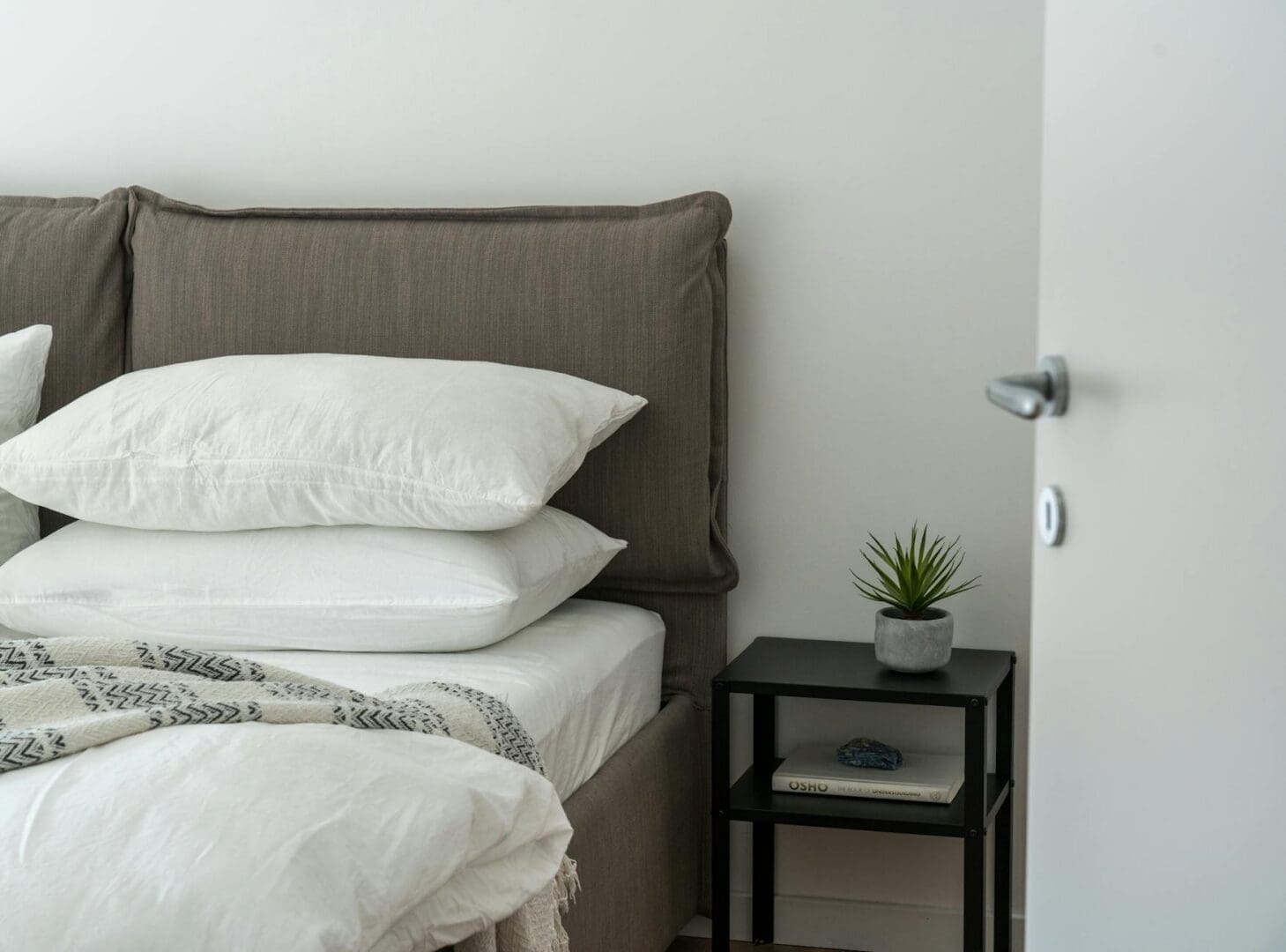
Here’s the simple distinction: a comforter is a one-piece quilted blanket that sits on top of your bed, while a duvet is a soft flat bag filled with down or synthetic fibers that goes inside a removable, washable cover. Think of a duvet like a pillow for your bed—the insert provides the warmth, and the cover protects it and adds style.
Comforters typically have decorative stitching or patterns sewn directly into the fabric, so what you see is what you get. They’re designed to be used as-is, though many people add a top sheet underneath. Duvets, on the other hand, are usually plain white or neutral because they’re meant to be hidden inside a duvet cover that you can change whenever you want.
Maintenance and Practicality
This is where your daily life matters most. If you’re someone who dreads wrestling bulky bedding into an oversized washing machine, pay attention here.
Comforters need to be washed whole, which often means a trip to the laundromat for anything larger than a twin size. Depending on the filling and construction, some comforters require dry cleaning. Budget comforters ($50-$150) are usually machine-washable but may clump or lose shape over time. Higher-end options ($200-$500) often maintain their quality better but come with more specific care requirements.
Duvets offer more flexibility. You only wash the cover—not the insert—which fits easily in a standard washing machine. Most duvet covers ($40-$200) can be tossed in with your regular laundry weekly. The insert itself only needs cleaning once or twice a year, and you can often do this at home if you choose a synthetic-fill option. If you have pets, kids, or allergies, this is a significant advantage.
Style Flexibility and Bedroom Aesthetics
How often do you redecorate or refresh your space? Your answer should influence your choice.
With a comforter, you’re committed to one look unless you buy multiple comforters or layer with decorative coverlets. This works beautifully if you love your bedroom style and don’t plan to change it, or if you prefer a layered, textured bed with throw blankets and shams adding variety.
Duvets give you a capsule wardrobe for your bed. Invest in one quality insert ($80-$400 depending on fill type and warmth level), then swap covers seasonally or whenever you want a new look. You can have crisp white linen for summer, a bold pattern for fall, and cozy flannel for winter—all without buying new bedding each time. For budget-conscious decorators or renters who can’t paint walls, this flexibility is invaluable.
Warmth, Weight, and Sleep Comfort
The filling matters more than whether it’s technically a duvet or comforter, but there are patterns worth noting.
Comforters come in various weights, but you’re stuck with what you buy. A medium-weight all-season comforter works for most people, but if you run hot or cold, you might find yourself uncomfortable half the year.
With duvets, you can choose your insert based on warmth level—lightweight for hot sleepers or warm climates, medium for year-round use, or extra-warm for cold winters. Some people even keep two inserts and swap them seasonally while using the same cover. Down-filled options ($150-$500) offer exceptional warmth without weight, while down-alternative inserts ($50-$200) provide good insulation at a lower price point and work for those with allergies.
Weight preference is personal. Some people love the cocooning feeling of a heavier comforter, while others prefer the cloud-like lightness of a quality duvet with down fill.
Making Your Decision
Choose a comforter if you want simplicity, prefer a grab-and-go bed that’s easy to make, don’t mind occasional professional cleaning, and love a specific look you won’t want to change. They’re also ideal if you like a pre-coordinated bedroom set.
Go with a duvet if you value easy washing, want style flexibility without buying multiple bedding sets, prefer separating your warmth needs from your design choices, or tend to refresh your decor regularly. The upfront system (insert plus cover) costs more initially but often saves money long-term.
Either way, you’re not making a permanent life decision here—just choosing what works for your bedroom right now. Pay attention to how you actually live, how often you realistically wash your bedding, and whether you’re someone who craves change or loves consistency. Your perfect night’s sleep is waiting.
You need more storage in your living room, but a bulky bookcase feels too heavy and floating shelves aren’t cutting it. A credenza might be exactly what you’re looking for—it’s that low-profile cabinet that gives you tons of hidden storage while creating a beautiful surface for lamps, plants, and the things you actually want to […]
If you’ve been hitting snooze repeatedly or dragging yourself out of bed feeling groggy, you’re not alone. Waking up to a jarring alarm in a dark room works against your body’s natural rhythms, especially during winter months. A sunrise alarm clock mimics natural dawn, gradually filling your room with light to ease you awake. But […]
Waking up at 3 a.m. with a sweaty neck and flipping your pillow to the cool side for the fourth time isn’t just annoying—it’s robbing you of quality sleep. If you’re a hot sleeper, your pillow might be trapping heat against your head and neck all night long. The good news? The right cooling pillow […]