A sunroom can be one of the most inviting places to share a meal—flooded with natural light and offering views of your garden or yard. But all that sunshine and exposure to the elements creates unique challenges when choosing a dining table. The wrong material can fade, warp, or become uncomfortably hot, while the wrong size can make your bright space feel cramped. Here’s how to pick a dining table that will look great and hold up beautifully in your sunroom for years to come.
Choose Materials That Can Handle Sun and Temperature Changes
The most important consideration for a sunroom dining table is how it will react to constant sunlight and fluctuating temperatures. Unlike a traditional dining room, your sunroom likely heats up during the day and cools down at night, especially if it’s a three-season room.
Metal tables with powder-coated finishes are exceptionally durable in sunrooms. They won’t warp or crack, and quality finishes resist fading. Aluminum is lightweight and naturally rust-resistant, while wrought iron offers a more substantial feel. Expect to pay $400-$800 for a quality metal table in the mid-range, with designer options reaching $1,500 or more.
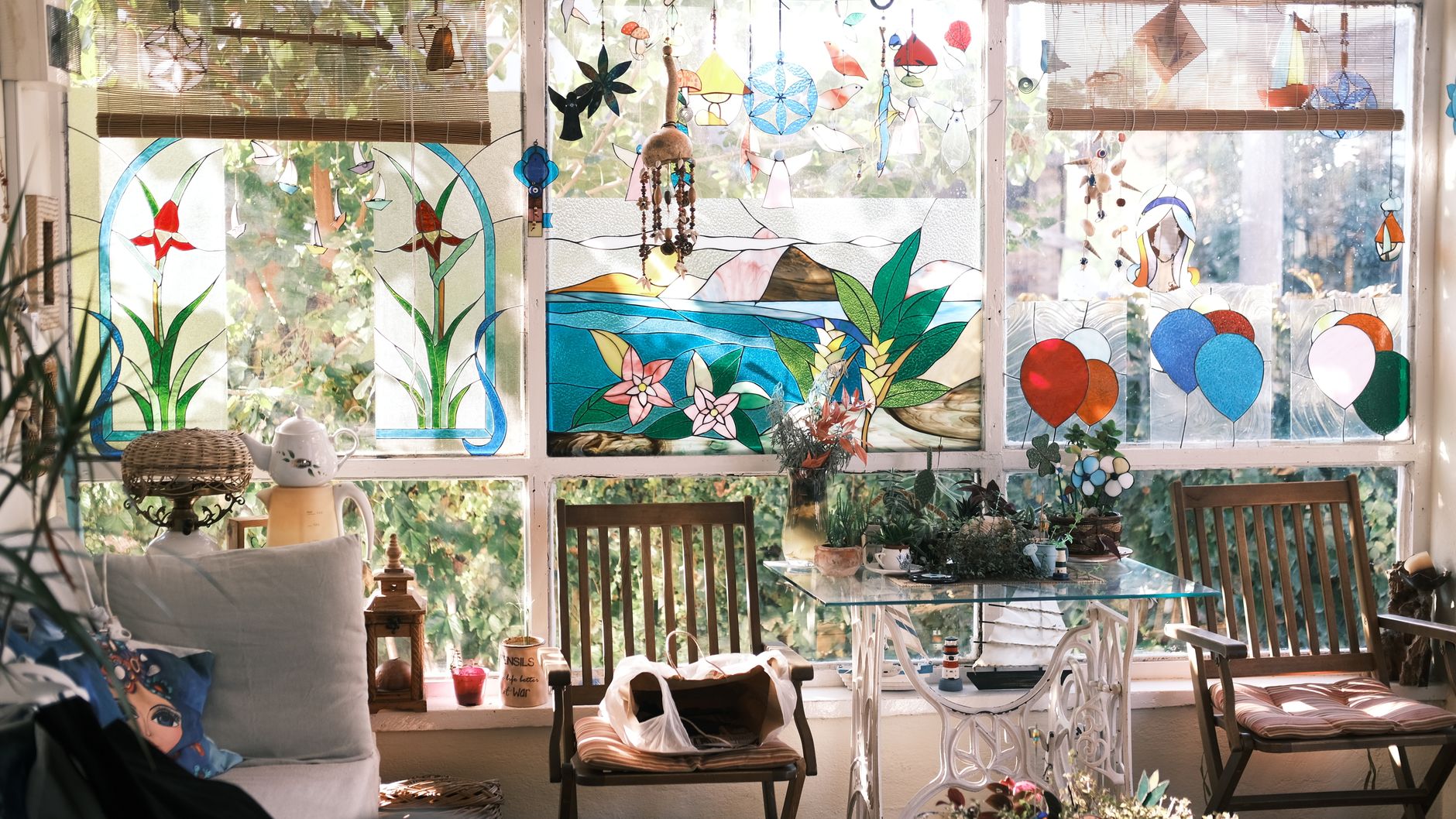
Glass-topped tables are another smart choice. Tempered glass doesn’t absorb heat the way solid surfaces do, won’t fade or discolor, and reflects light beautifully without blocking your views. A glass table with a metal base combines the best of both materials. Budget options start around $300, while high-end glass tables with sculptural bases can exceed $2,000.
If you prefer wood, stick with naturally weather-resistant species like teak, acacia, or eucalyptus that are properly sealed. These hardwoods handle moisture and temperature swings better than softer woods like pine. Avoid dark stains and unsealed finishes—they’ll fade noticeably in direct sun. Quality sealed wood tables for sunrooms typically range from $600-$1,800.
Consider Size and Shape for Your Space
Sunrooms often have unique dimensions with angled walls, large windows, or doors leading outside. Before you fall in love with a table, measure your space carefully and account for any architectural quirks.
You’ll want at least 36 inches of clearance around your table for chairs to pull out comfortably and for people to move around. In a sunroom, you might need even more space if you have large potted plants, ceiling fans, or French doors that swing inward.
Round tables work beautifully in square or small sunrooms because they lack corners that eat up space and create awkward traffic patterns. A 42-48 inch round table seats four comfortably, while a 60-inch round can accommodate six. Oval tables offer a similar feel with more surface area—ideal if you regularly host larger groups.
Rectangular tables suit longer, narrow sunrooms and provide the most seating capacity. Just make sure to leave adequate space at both ends. If your sunroom doubles as a walkway to your backyard, consider a narrower table (36 inches wide instead of 42) to maintain good flow.
Pick a Style That Complements the Outdoors
Your sunroom exists in the transitional space between indoors and out, so your dining table should reflect that connection. The style you choose can either emphasize the natural surroundings or create an elegant contrast.
Natural and organic styles feel right at home in sunrooms. Look for tables with live-edge wood tops, woven rattan bases, or stone elements that echo materials found in nature. These styles typically range from $500-$1,500 depending on size and craftsmanship.
Coastal and contemporary styles also work well. Think light, bleached woods, crisp white or navy finishes, and clean lines that don’t compete with your outdoor views. A simple parsons-style table in a light finish lets the sunroom itself be the star.
For a more formal look, consider a traditional pedestal table in a durable finish. These add elegance without blocking sightlines, and they offer excellent legroom since there are no corner legs to navigate around.
Don’t Forget Protection and Maintenance
Even the most durable table will benefit from some protection. If your sunroom gets intense afternoon sun, consider adding UV-protective window film or solar shades that you can draw during peak hours. This protects not just your table but also your chairs, rugs, and any other furnishings.
Plan for regular maintenance based on your material choice. Metal tables need occasional cleaning and may need touch-ups if the finish chips. Glass requires frequent cleaning to avoid water spots and fingerprints—keep microfiber cloths handy. Wood tables should be resealed annually if they’re in a three-season sunroom with high humidity swings.
Use placemats and trivets religiously, especially with glass and wood surfaces. The combination of direct sunlight and a hot serving dish can cause damage that’s difficult to repair.
Choosing the right dining table for your sunroom means balancing durability with style and finding materials that can handle the unique environment without constant fussing. When you get it right, you’ll have a beautiful gathering spot that takes full advantage of your home’s brightest, most cheerful space—a place where morning coffee and Sunday dinners feel just a little more special.
What is the best material for a dining table in a sunroom?
Metal, sealed teak, and powder-coated aluminum are excellent choices for sunrooms because they resist UV damage and temperature fluctuations. Avoid unsealed wood and dark finishes that can fade or crack from constant sun exposure.
Will sun damage my dining table in a sunroom?
Yes, prolonged sun exposure can fade, crack, or warp certain materials, especially unsealed wood and dark-stained finishes. Choose UV-resistant materials or add window treatments to protect your table from the most intense afternoon sun.
How big should a dining table be in a sunroom?
Your sunroom dining table should allow at least 36 inches of clearance on all sides for comfortable movement. Measure your sunroom carefully, accounting for any architectural features like angled walls or large planters that reduce usable space.
Can I use a wood dining table in a sunroom?
You can use wood in a sunroom if it’s properly sealed and you’re willing to maintain it regularly. Opt for hardwoods like teak or sealed acacia, and consider adding UV-protective window film or shades to minimize sun damage.
Should I get a glass dining table for my sunroom?
Glass dining tables work beautifully in sunrooms because they don’t absorb heat, resist UV damage, and maintain their appearance in bright light. Tempered glass is safest, and clear glass won’t compete with your outdoor views.
Hallways are the overlooked workhorses of our homes—they connect every room, but rarely get the storage love they deserve. A well-chosen sideboard transforms that narrow stretch of wall into genuinely useful space without making your hallway feel like an obstacle course. The trick is finding one that fits the proportions of the room while actually […]
Dark kitchens—whether they feature rich espresso cabinets, moody charcoal walls, or black granite countertops—create incredible drama and sophistication. But they also present a unique challenge when it comes to choosing bar stools. Pick the wrong ones, and your beautiful space can feel cave-like or visually heavy. Choose wisely, and your stools become the bright spot […]
Your kitchen peninsula is prime real estate—it’s where morning coffee happens, where kids do homework while you’re prepping dinner, and where guests naturally gather during parties. Getting the right bar stools makes all the difference between a peninsula that feels welcoming and one that sits empty. But with so many options for height, style, and […]